
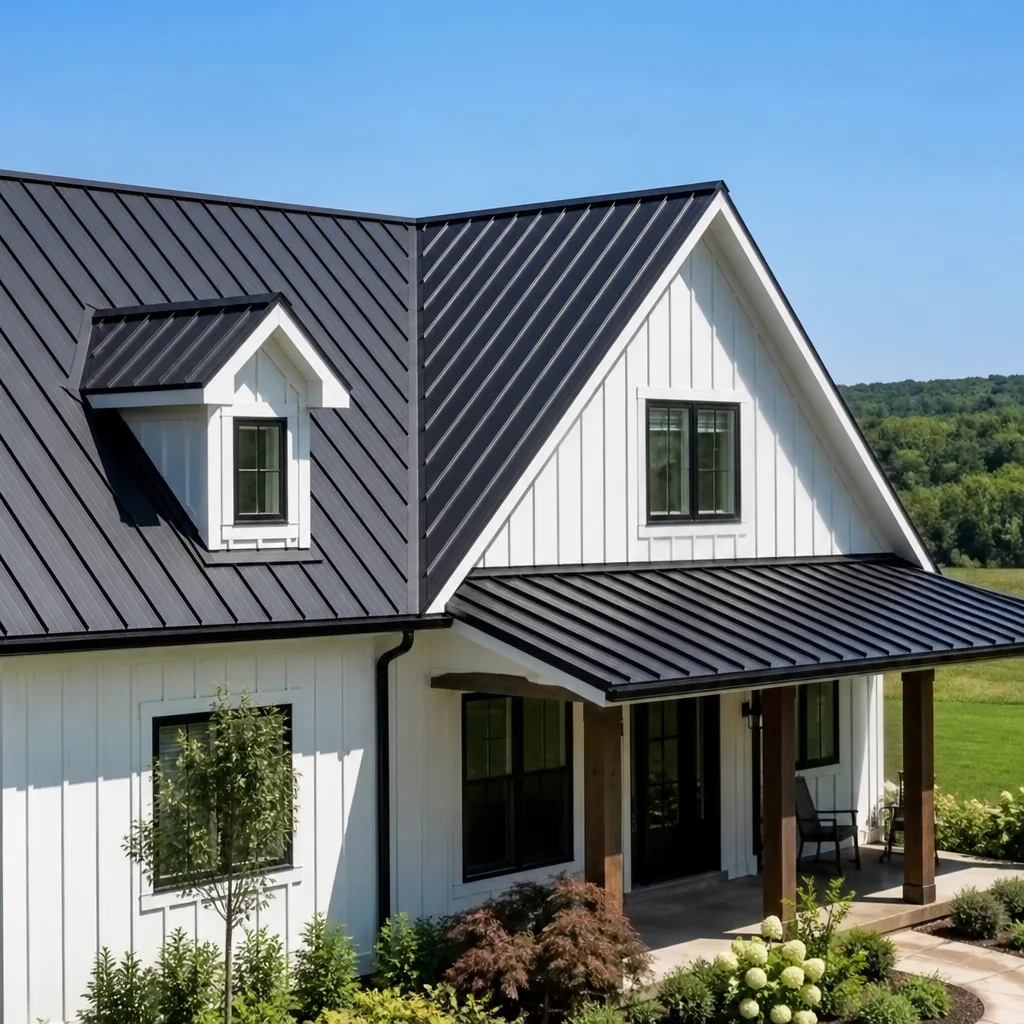
 Metal roofing
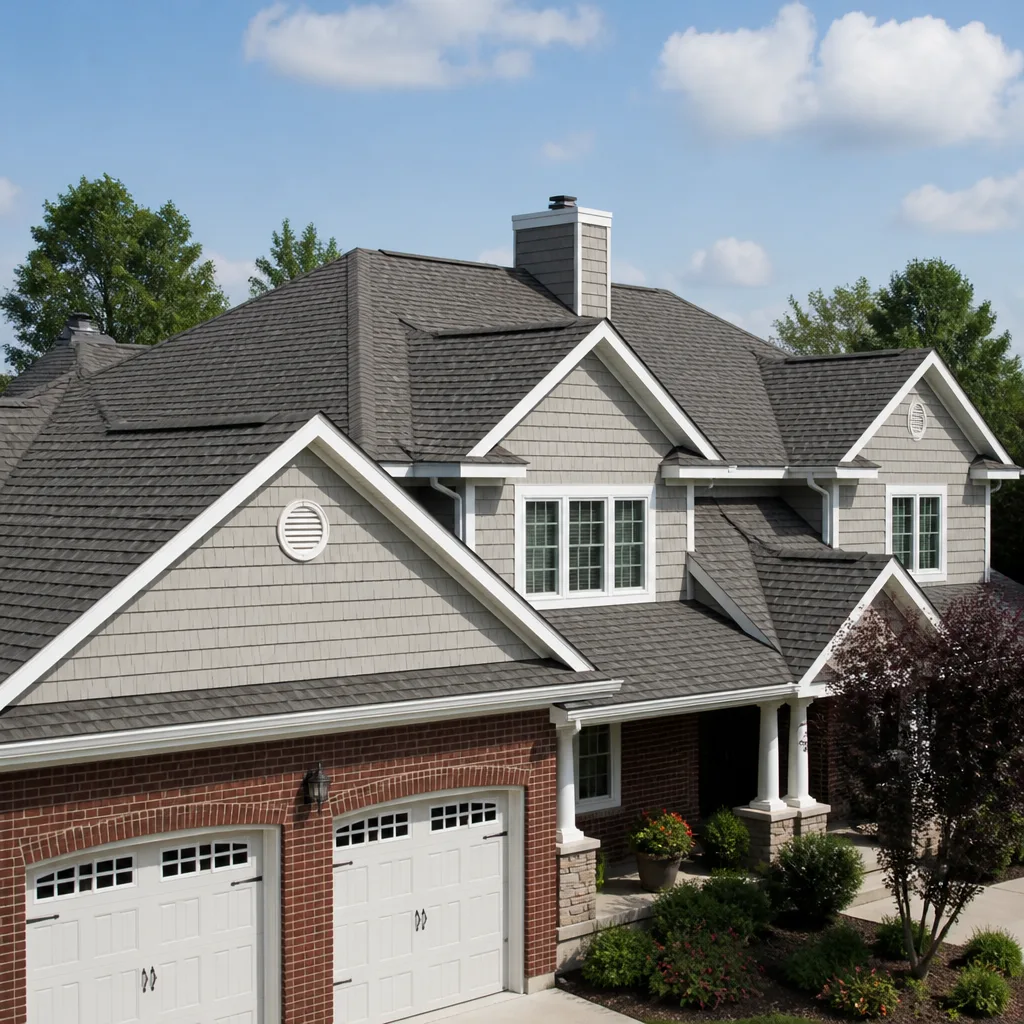 Architectural shingles
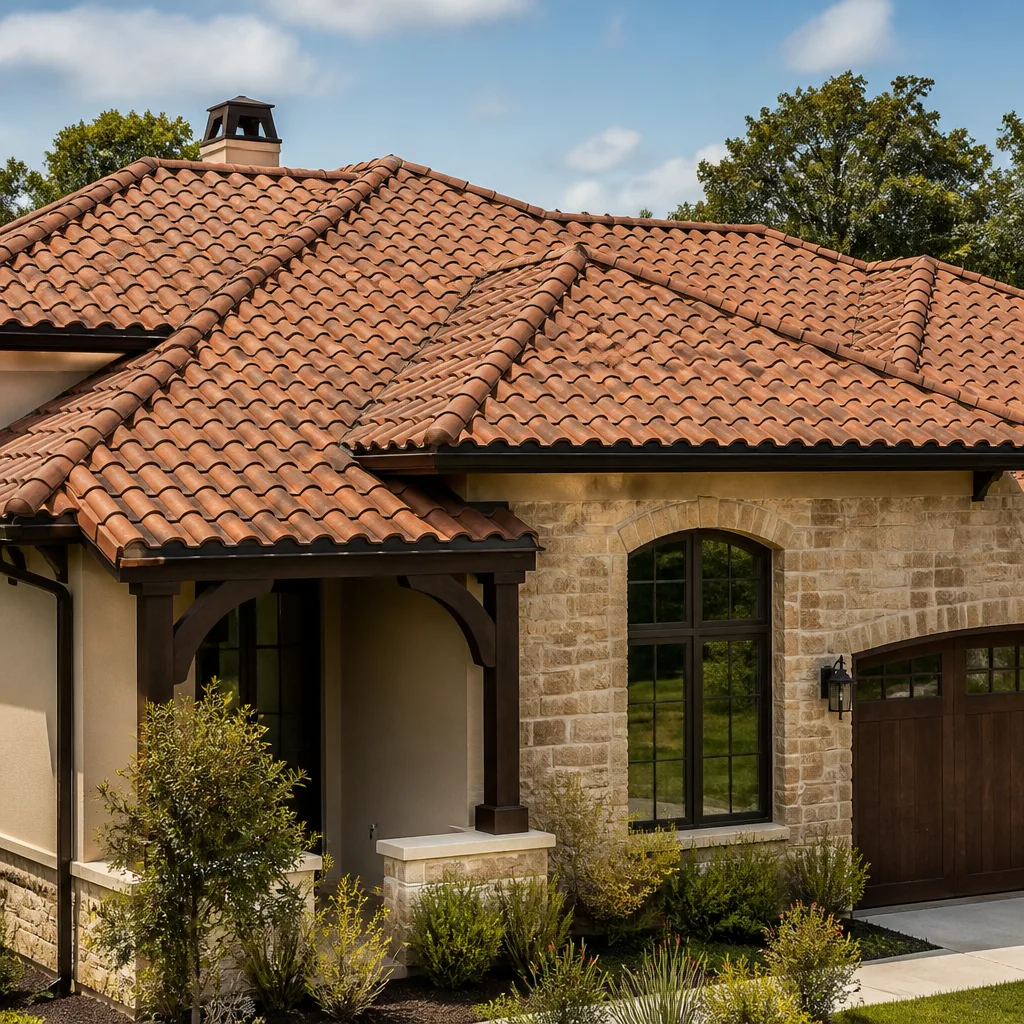 Tile roofing
 GAF
GAF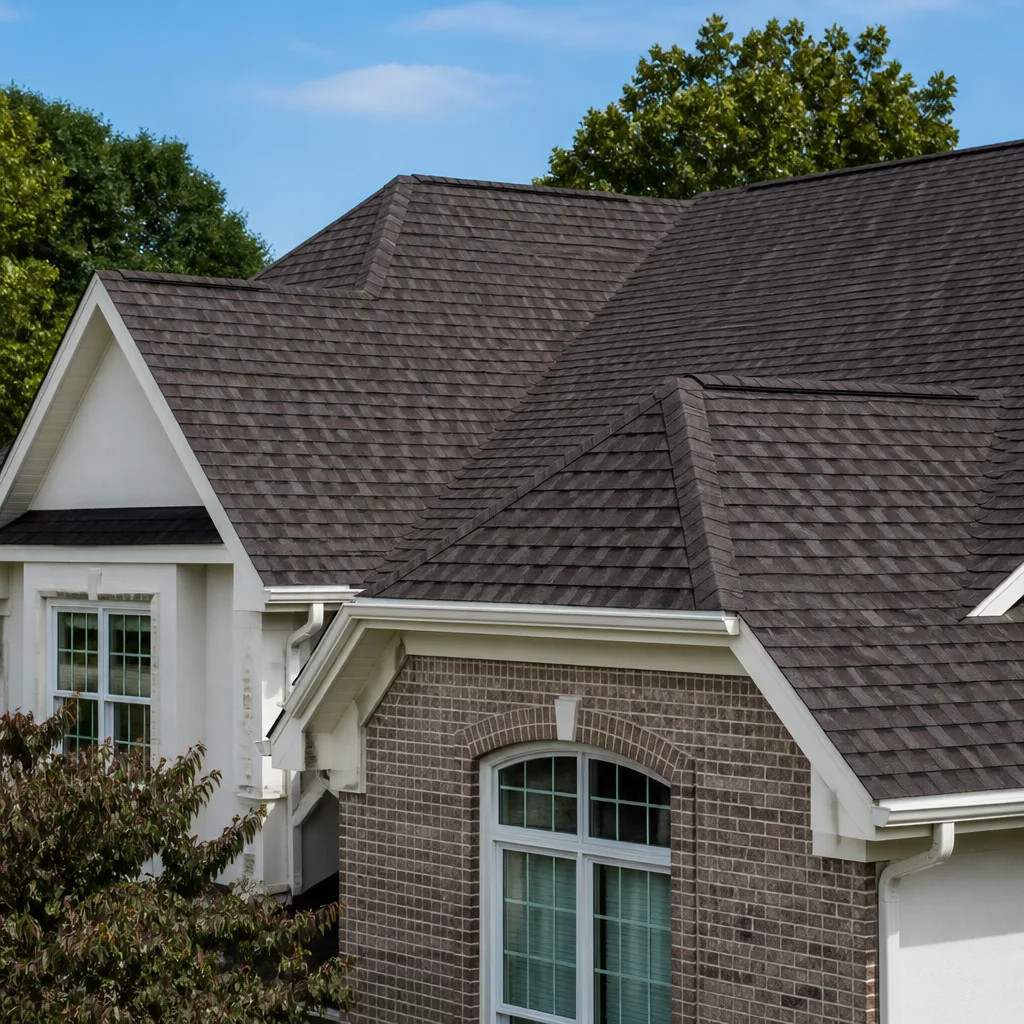 Owens Corning
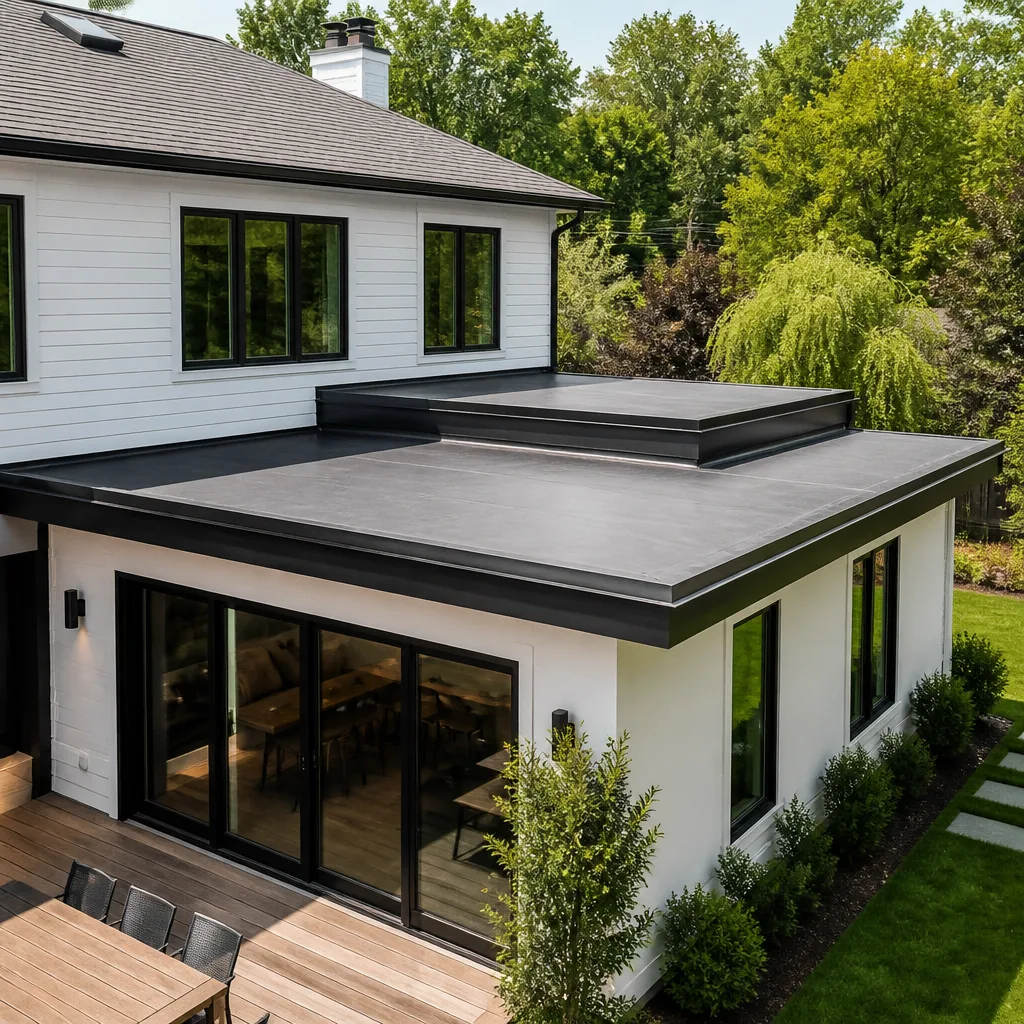 Flat & low-slope
Free roof inspection with deck photos before we talk money - GAF and Owens Corning certified installation
CertainTeed Ridge Vent Installation: The Jacksonville Owner’s Guide
CertainTeed ridge vent installation in Jacksonville typically runs $18 to $26 per linear foot installed, so a standard 40-foot ridge line lands between $720 and $1,040 with materials and labor included. We stock CertainTeed-compatible ridge vent on the truck and can usually complete the swap same-day once we’ve inspected the existing opening. Most Jacksonville homeowners find out their ridge vent has failed the hard way: they notice attic temps climbing in July, see shingle granules piling up in gutters, or catch daylight through the ridge slot from inside the attic on a bright afternoon.
Ridge vent is the exhaust half of your roof’s air-intake system. When it fails, your attic stops breathing. In Jacksonville’s heat and humidity, that means trapped moisture, premature shingle curling, and a cooling bill that creeps up month over month. We see it all the time in neighborhoods like Mandarin, Riverside, and down toward the Beaches: a ridge vent that looked fine from the street was actually cracked, warped, or clogged with decades of dust and mildew. Travis Oakley has pulled enough of these off Jacksonville roofs to know that what’s underneath matters as much as the vent itself.
Key Takeaways:
- Installed cost for CertainTeed ridge vent in Jacksonville: $18-$26 per linear foot
- We’re an independent service provider, not affiliated with CertainTeed
- Ridge vent failure in Florida is usually UV degradation, not storm damage
- The opening width must match the vent; mismatched cuts are the most common DIY mistake
- Every install gets a written price before work starts and a one-year written guarantee
Which CertainTeed Models This Applies To
CertainTeed makes two ridge vent lines that matter for most Jacksonville homes: the Mountain Ridge and the ShingleVent II. Mountain Ridge is the premium option, with an external baffle design that sits flatter against the ridge and a mesh filter that keeps wind-driven rain and embers out. It’s rated for exposed, wind-prone rooflines, which is relevant for homes on the Intracoastal or in open subdivisions where nothing blocks the afternoon storms. ShingleVent II is the workhorse: more affordable, slightly less aggressive on airflow per foot, and perfectly adequate for most single-story ranches and two-story traditionals across Jacksonville.
Before calling us, check the ridge line. Many homes have the original vent from a previous CertainTeed shingle install, and the label is long gone. What we look at on site: the vent’s external baffle profile and the width of the cut underneath it. Most residential ridge openings are cut at 3/4 inch on each side of the peak, but some older Jacksonville homes were cut wider for bulkier vent systems. If the slot is too wide, standard vent won’t seat correctly. If it’s too narrow, you choke the exhaust. This is the compatibility gotcha that causes most rework.
For OEM versus aftermarket: both our truck stock and our supplier lines cover the real CertainTeed profile exactly, so you’re never forced into a generic fit. We also work with GAF and Owens Corning ridge vent systems regularly, and we’ll tell you plainly if another brand’s vent profile would seal the slot better for your specific roof. The decision should be about the roof geometry and the width of the existing cut, not about what happens to be on sale.
Styles & brands we work with
Signs Your CertainTeed Ridge Vent Installation Is Failing
- Attic heat you can feel through the ceiling. In a Jacksonville August, that means the vent is no longer exhausting. Underlying cause is usually crushed baffles from foot traffic, or the mesh filter has clogged so badly that airflow drops to near zero. A ridge vent that can’t push air out makes the whole attic system work against itself.
- Visible cracking or warping along the ridge cap. CertainTeed vents are plastic, and Florida sun is relentless. After 10 to 14 years, the outer baffle boards harden, turn brittle, and crack. Once that happens, wind-driven rain can enter through the crack and ride the slope down into the ceiling below.
- Granules from the ridge cap shingles collecting in gutters. The vent itself may still be functional, but the shingles covering it are breaking down. In Jacksonville, ridge cap shingles take the most direct UV assault of any shingle on the roof. If the cap is shedding, the vent underneath is next in line.
- Daylight visible through the ridge from inside the attic. A properly installed vent has a baffle that blocks direct light while letting air pass. If you can see clear sky through the ridge slot, the baffle mesh is gone or displaced. That means rain, embers, and bugs have an open route into your attic.
- Mildew or musty odor in the attic. Ridge vent failure doesn’t happen in a week. Months of reduced exhaust mean humid Jacksonville air sits in the attic and soaks into insulation and trusses. By the time you smell it, the problem has been cooking for a while.
If any of those signs match what you’re seeing, the next step is a professional inspection. Not because you can’t look at it yourself, but because the failure mode matters. A cracked outer baffle is a different fix than a crushed internal divider, and knowing which one you have determines whether that $750 estimate is accurate or a guess.
See the difference
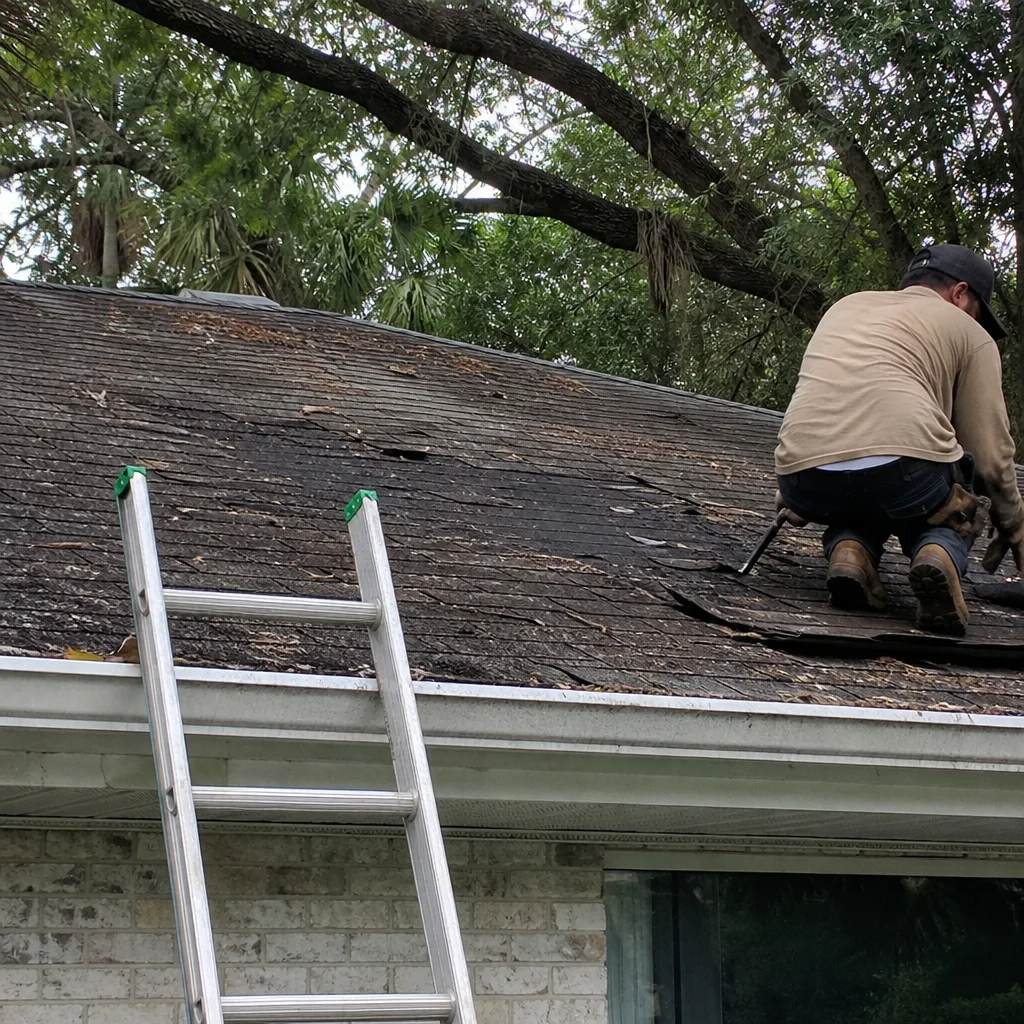 Before
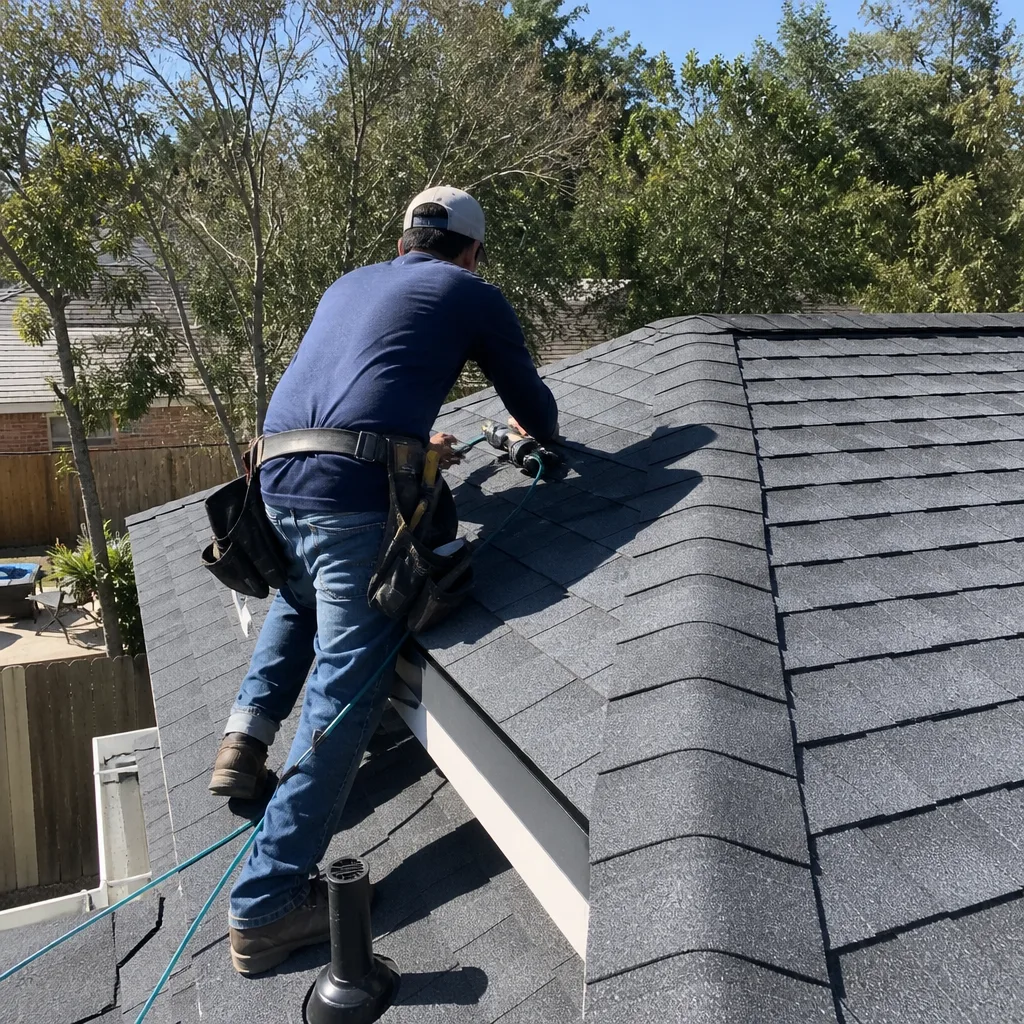 After
After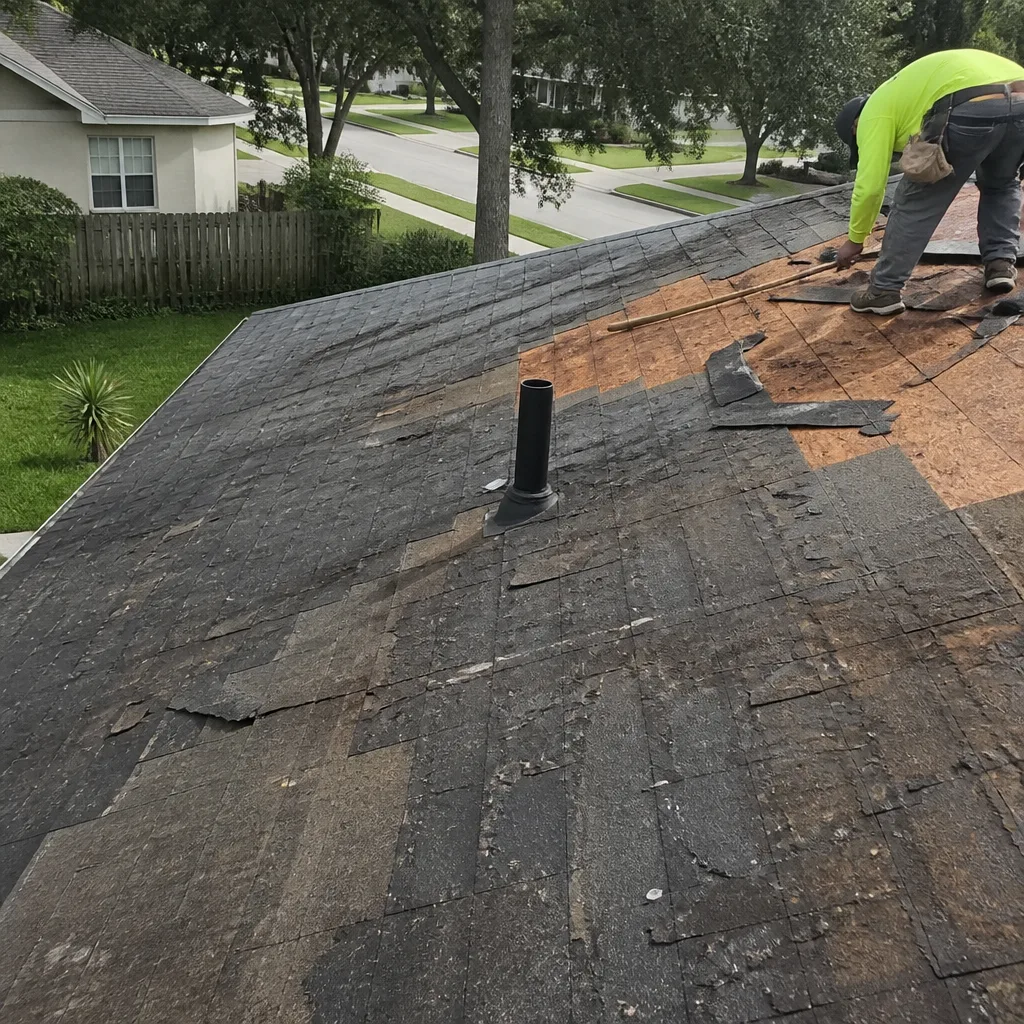 Before
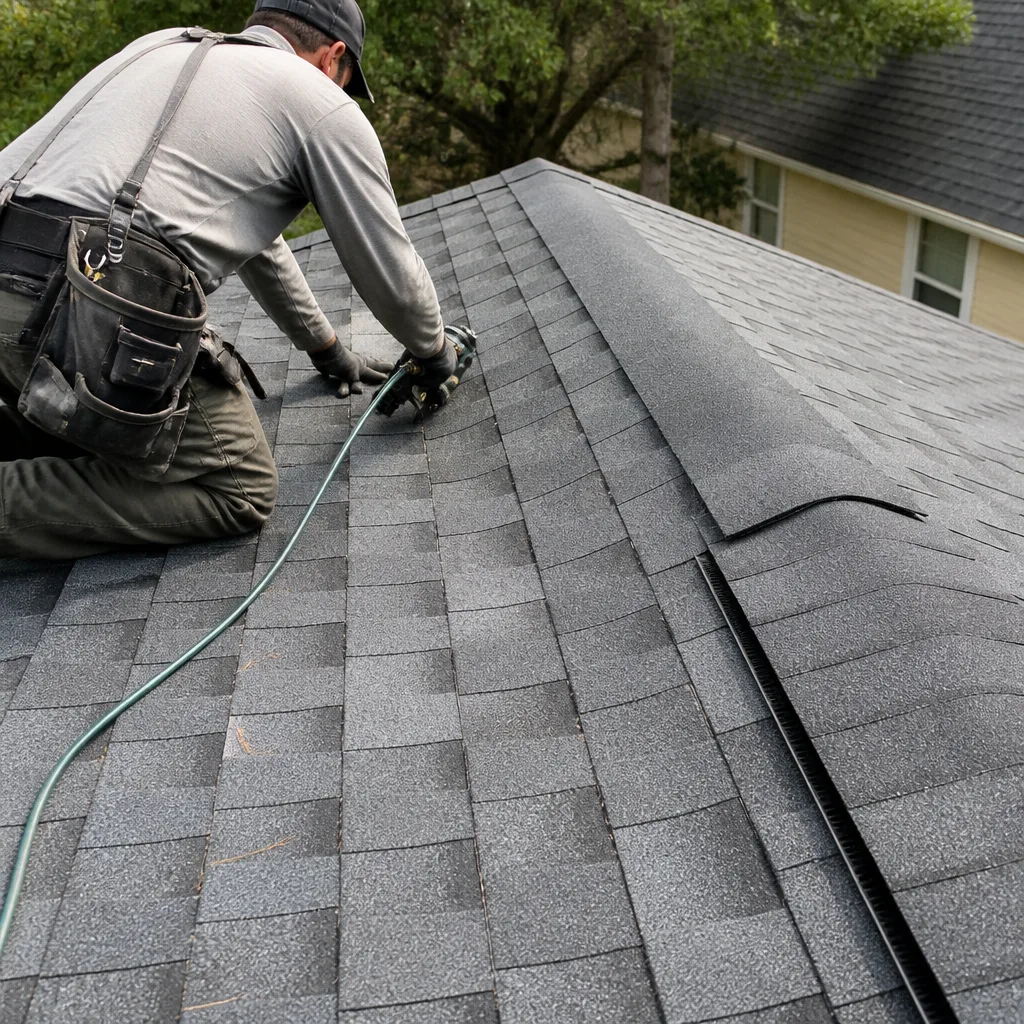 After
After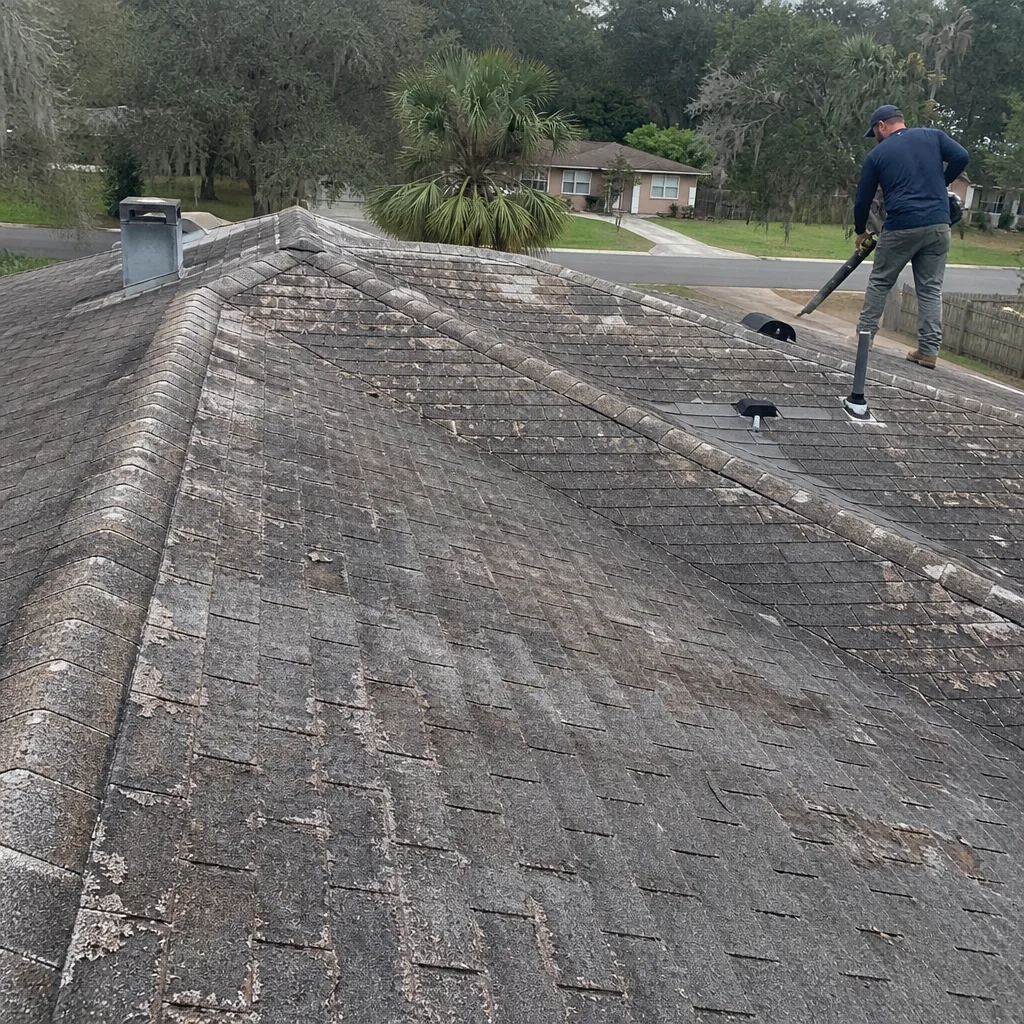 Before
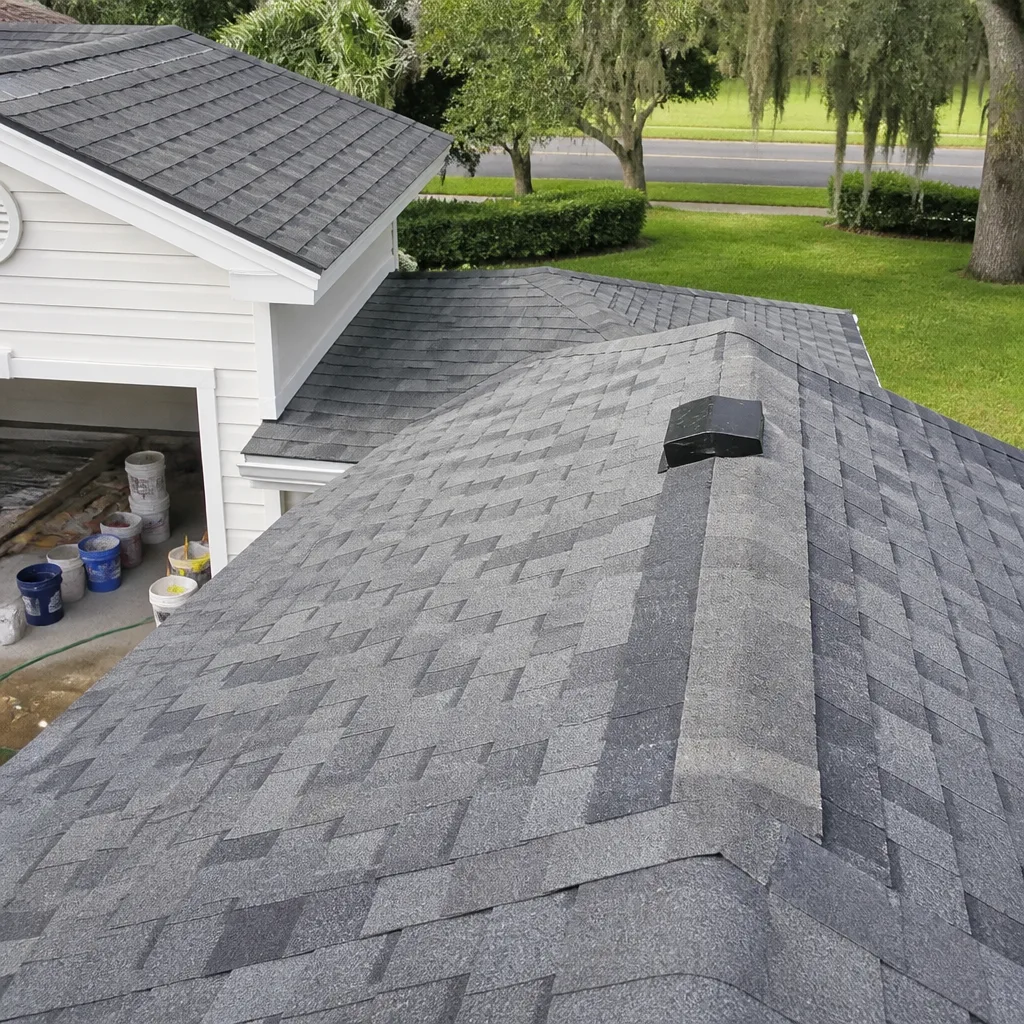 After
AfterReplacement Cost & What’s Included
For Jacksonville homes, replacing a CertainTeed ridge vent or installing one on a new ridge opening runs $18 to $26 per linear foot. A straight 40-foot ridge with new vent, new ridge cap shingles, and new fasteners sits around $720 to $1,040. A longer ridge, a hip roof with multiple ridge segments, or a slot that needs recutting for correct width pushes toward the higher end.
What drives the range: the condition of the ridge decking underneath, whether we’re pulling old fasteners out of rotted plywood, and how much of the existing cap shingle we can reuse. Most Jacksonville homes need the cap replaced at the same time because the old cap shingles were installed with the original roof. It makes no sense to put new vent on old, brittle cap shingles.
Every quote comes as a written, line-item price before any work begins. That number doesn’t move at the door. We don’t do change orders on a straight ridge vent swap unless we find decking that’s rotted through, and we’ll photograph and show you that before we touch it. The work itself is guaranteed in writing for one full year under the 365-Day Done Right Promise: if the installation fails within that year, we come back and make it right at no charge. That’s the same guarantee Travis puts on every job we run, from a small repair to a full replacement.
DIY or Call Us?
There’s a difference between checking and swapping. You can check your ridge vent from the ground with a pair of binoculars: look for cracks, lifted shingles along the ridge, or vent sections that shifted out of line. You can also go into the attic with a flashlight on a bright day and look for light coming through the slot. Those are safe, sensible checks that tell you whether you have a problem.
Swapping the vent is not a same-afternoon DIY project. This is roof work off the peak, on a slope, in Florida heat, and it involves removing fasteners that have been cooking in UV for ten or fifteen years. One slip at the ridge on a two-story home has consequences that no YouTube tutorial can reverse. We’ve also had to fix DIY installs where the opening was cut too wide, the vent flanges were fastened through the wrong channel, or the end caps were never sealed. A ridge vent that lets wind-driven rain into the attic defeats the entire purpose of the vent.
If you’re seeing the signs, call (904) 719-6346. We’ll send a background-checked, uniformed technician out to inspect and give you a written price. If it’s not right, we’re not done.
FAQs
A CertainTeed ridge vent in Jacksonville typically lasts 12 to 15 years before the plastic baffles harden enough to need replacement; the cap shingles covering it often need attention at the 10-year mark, even if the vent itself is still moving air. Florida’s UV index and summer heat shorten plastic vent life compared to northern climates. Call (904) 719-6346 and we’ll give you an honest read on whether yours still has years left or is nearing the end.
In most cases a damaged vent is replaced, not repaired: cracked baffles and brittle flange material can’t be glued or patched reliably, and a partial fix usually fails within a season. If the issue is something simple like a shifted end cap, we can address just that section. We’ll tell you which situation you have before any work is approved.
A straight ridge vent replacement in Jacksonville takes between 2 and 4 hours for a typical 30- to 50-foot ridge, including pulling the old cap shingles, inspecting the decking, and installing new vent with new cap shingles. Complex hip roofs with multiple ridge segments may run longer. We’ll give you a clear window and a written price before we start.
We stock CertainTeed-compatible ridge vent profiles and the matching fasteners on our service vehicles, and we also keep GAF and Owens Corning vent lines in inventory for situations where a different profile seals the existing opening better. If your ridge slot is an unusual width, we’ll source the right vent same-week from our local supplier network in Jacksonville. Call (904) 719-6346 for an exact quote; estimates are free.
Written by Travis Oakley, Owner, Brennan Roofing Co Jacksonville at Brennan Roofing Co Jacksonville, serving Jacksonville and nearby areas.