
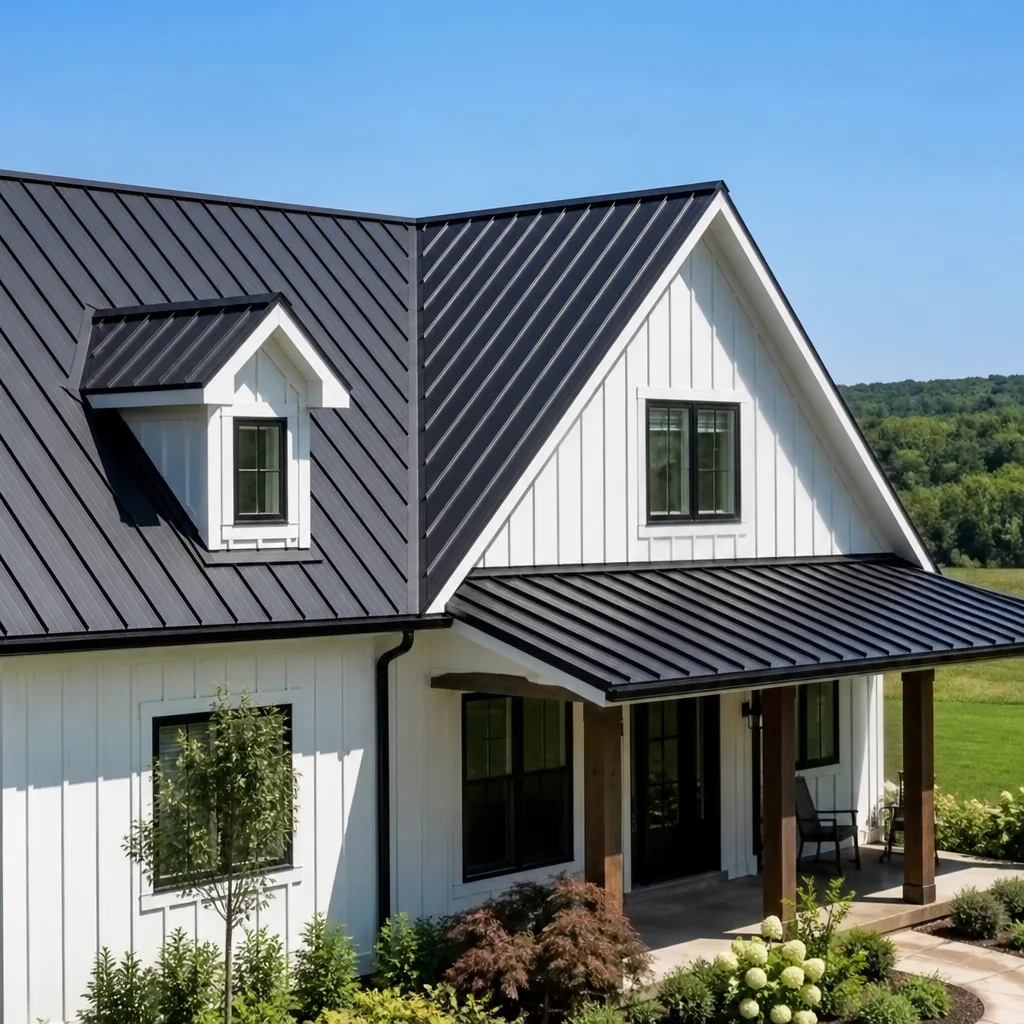
 Metal roofing
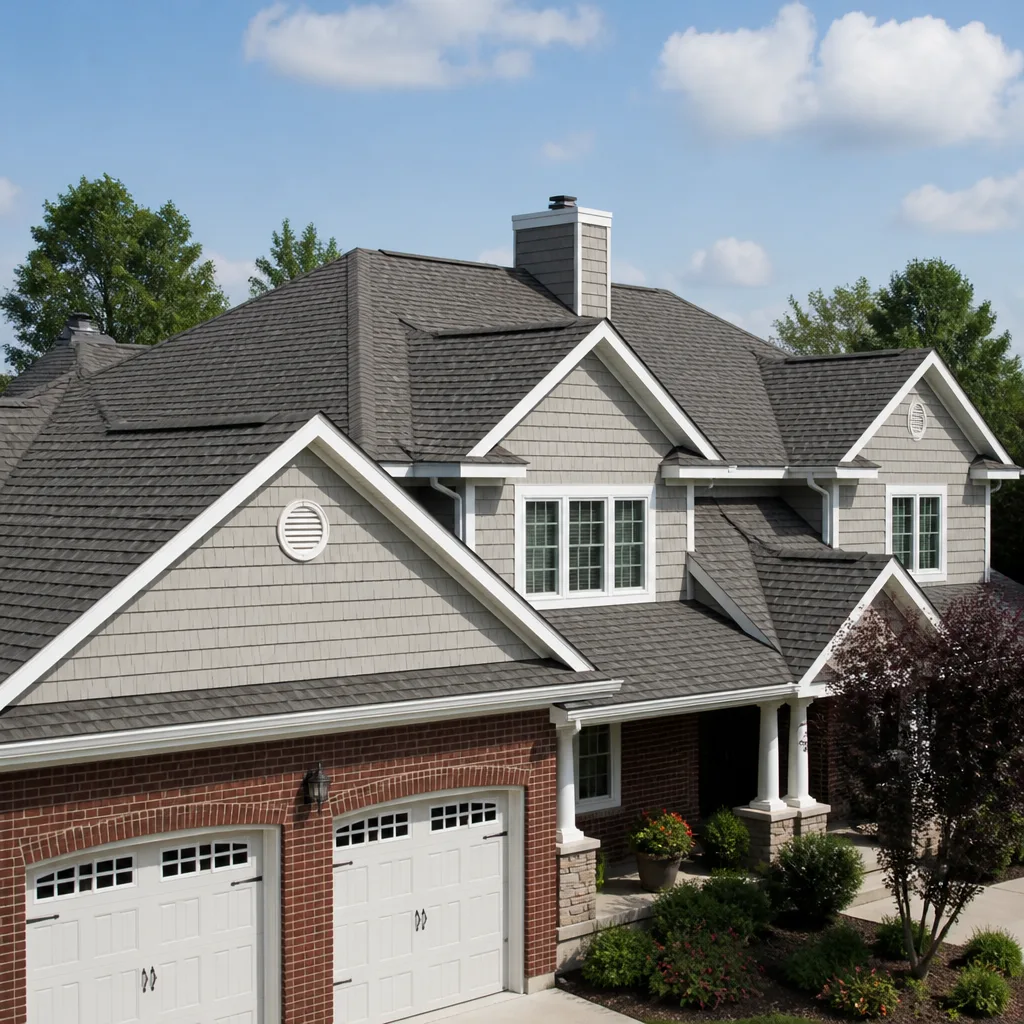 Architectural shingles
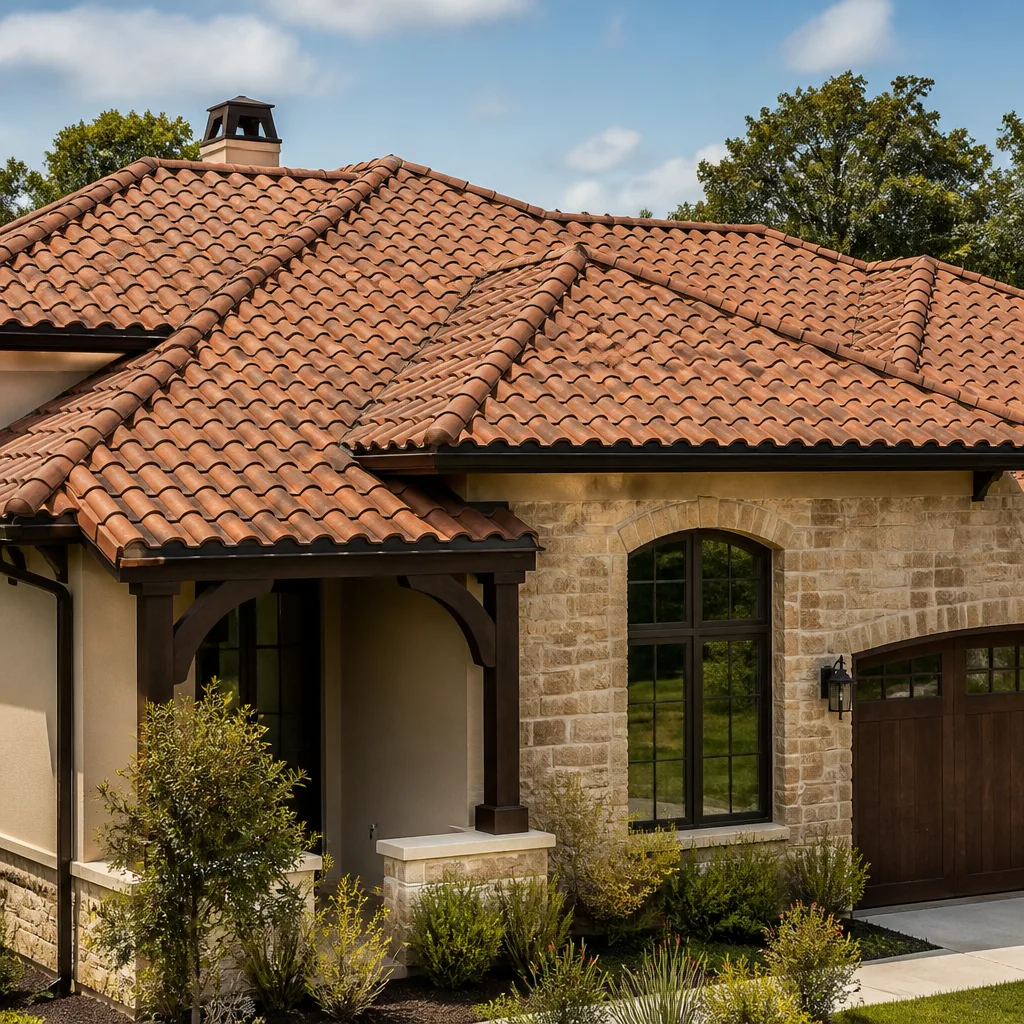 Tile roofing
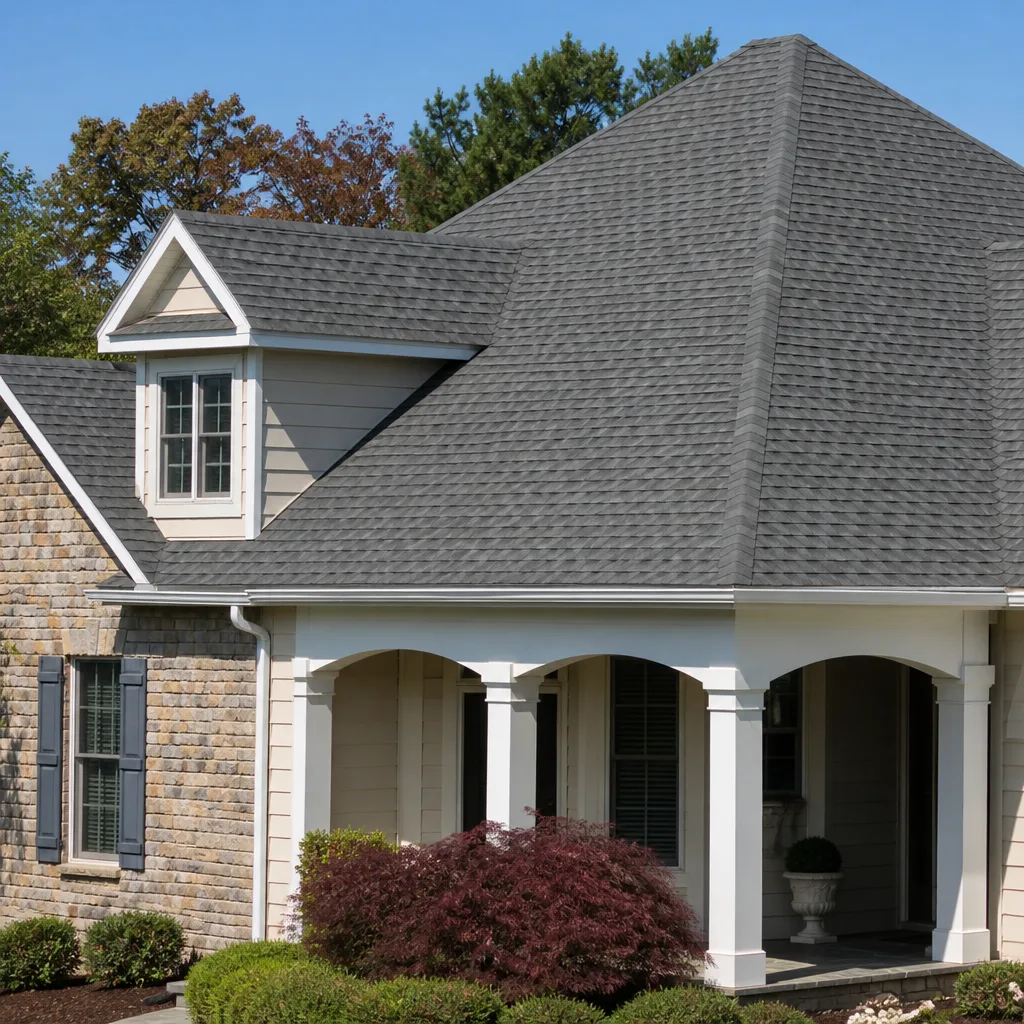 GAF
GAF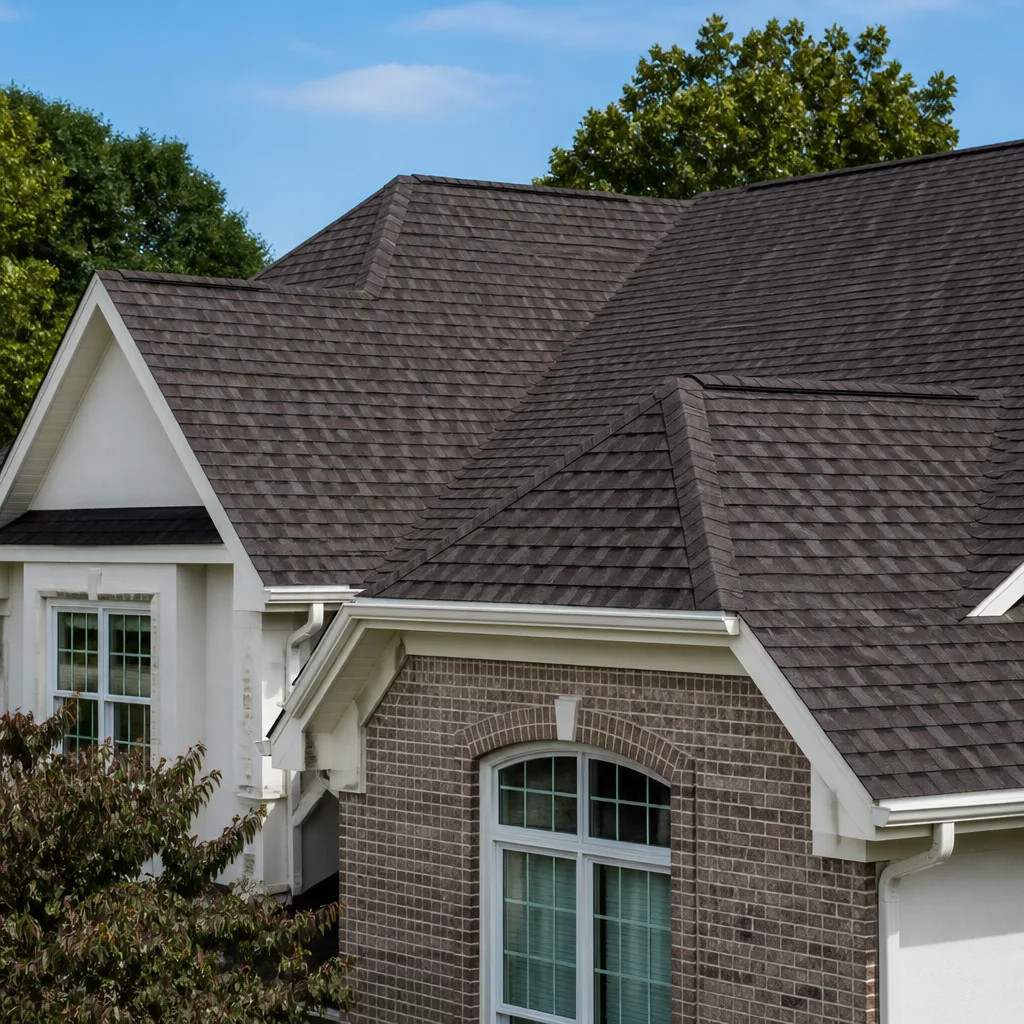 Owens Corning
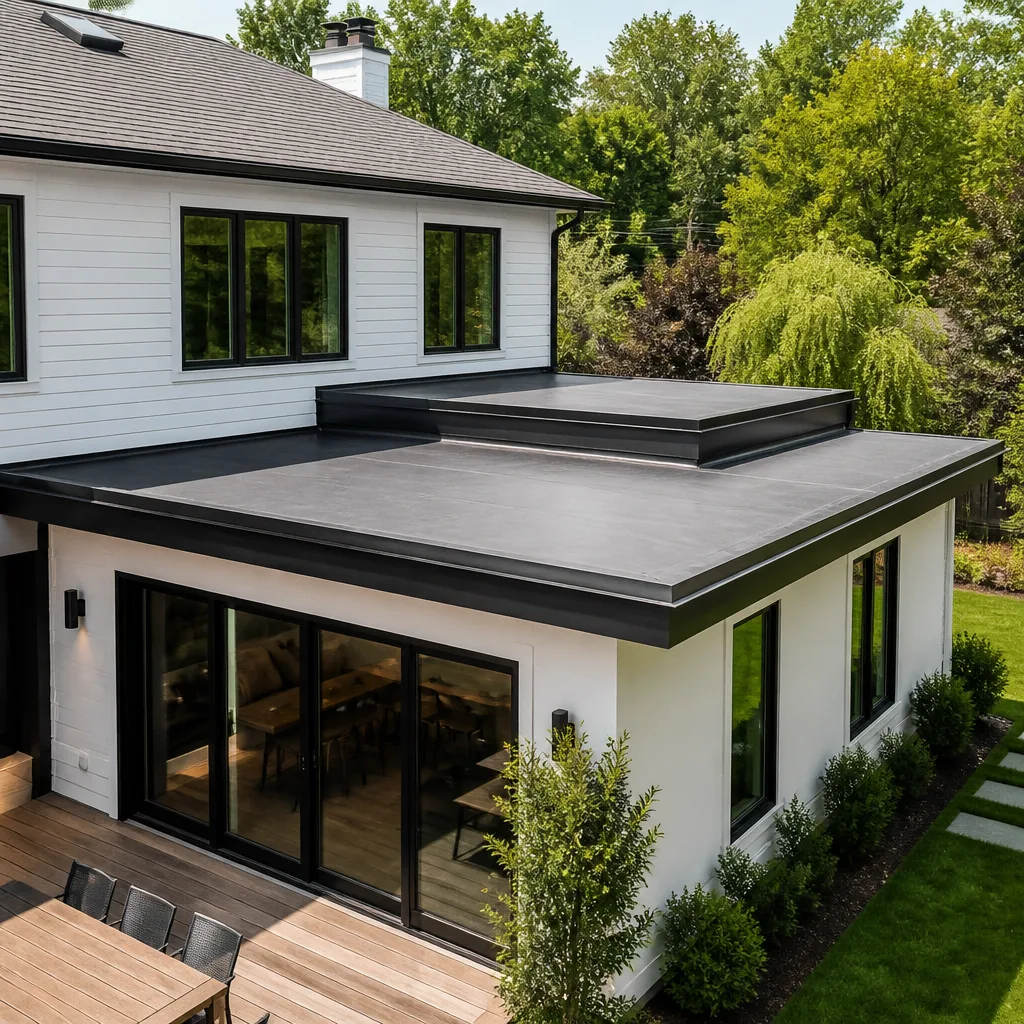 Flat & low-slope
Free roof inspection with deck photos before we talk money - GAF and Owens Corning certified installation
Atlas Ridge Vent Installation: The Jacksonville Owner’s Guide
Atlas ridge vent installation in Jacksonville typically runs $850 to $1,400 for a standard single-family home, depending on roof length and the condition of the existing decking. We stock Atlas-compatible ridge vent material on our trucks and can usually complete the swap the same day we start. Most homeowners discover the problem after a heavy Jacksonville storm, when they notice water staining along the ceiling near an exterior wall, or after a hot summer when attic temperatures climb higher than they should.
Ridge vent is the long cap that runs along the peak of your roof. It’s the exhaust half of your attic ventilation system: intake air comes in through the soffits, rises as it warms, and exits through the ridge. When the Atlas vent fails, that cycle breaks. Heat and moisture build up, shingles cook from underneath, and your air conditioner works harder than it should. Here’s the part that catches people off guard: the vent itself rarely fails. What fails is the installation around it, the nails backing out, the sealant drying up, or the vent getting crushed during a pressure washing job.
Which Atlas Models This Applies To
This guide covers the two Atlas ridge vent profiles still commonly found on Jacksonville roofs: the Atlas GlassMaster Ridge Vent and the older Atlas TruRidge line. GlassMaster is the one we see most often on homes reroofed in the last ten to fifteen years. It uses a fiberglass mat construction that breathes well but is stiffer than the shingle-over product it replaced. TruRidge was the previous generation, a polypropylene mesh profile that was easier to shape but broke down faster under Florida sun.
The compatibility gotcha that trips up a lot of Jacksonville homeowners: these two profiles are not interchangeable. The nail flange widths differ, and the shingle-over plate doesn’t seat the same on both. If you try to patch a failed TruRidge section with GlassMaster, you’ll get an uneven seam, and that’s exactly where water will find its way in during the next summer squall. The way to identify which one you have is to look at the underside of the vent from inside the attic. GlassMaster has a heat-welded seam pattern. TruRidge looks like a coarse mesh. If you can’t get into the attic, we can identify it from the roofline in under ten minutes.
One note on parts sourcing for Jacksonville specifically: the UV exposure here is brutal. An aftermarket ridge vent that works fine in Ohio will be brittle and cracked in five years on a Mandarin roof. We recommend sticking with OEM Atlas material for a like-for-like replacement. It costs $40 to $80 more per section, but you’re buying back another eight to ten years of service life. We also stock GAF, Owens Corning, and CertainTeed profiles for homes that were reroofed with those systems, so if the last crew mixed brands, we can identify and match it.
Styles & brands we work with
Signs Your Atlas Ridge Vent Installation Is Failing
- Water stains on the ceiling near an exterior wall. This is the classic call we get in Middleburg and Orange Park after a storm. Water enters through a failed ridge seam, travels down a rafter, and pools at the soffit line. The stain won’t always be directly under the ridge, which is why so many of these leaks get misdiagnosed as flashing failures.
- Attic temperature spikes in the summer. If your upstairs rooms are noticeably hotter than they were two summers ago and the AC runs constantly, the ridge vent may be blocked or collapsed. We’ve measured 140-degree attics in Arlington with clogged GlassMaster vents that should have been holding at 115 to 120 degrees.
- Visible lifting or warping along the roof peak. From the street, the ridge cap should look flat and even. If it looks wavy, or you can see the vent material sticking up between shingles, UV degradation has already begun. This gets worse quickly once it starts.
- Granules from the ridge cap shingles in your gutters. The shingles that cover the ridge vent are the most UV-exposed shingles on the entire roof. When the vent underneath fails and heat builds, those cap shingles fail first. If you’re finding granules but not checking the ridge, you’re only seeing half the story.
- Mold or musty odor in the attic. Failed ventilation traps moisture. In Jacksonville, that means mold, and mold means a much more expensive remediation project if it’s caught late. The Southside and San Marco homes with older roofs are where we see this most, because the vent has been underperforming for years before anyone notices.
See the difference
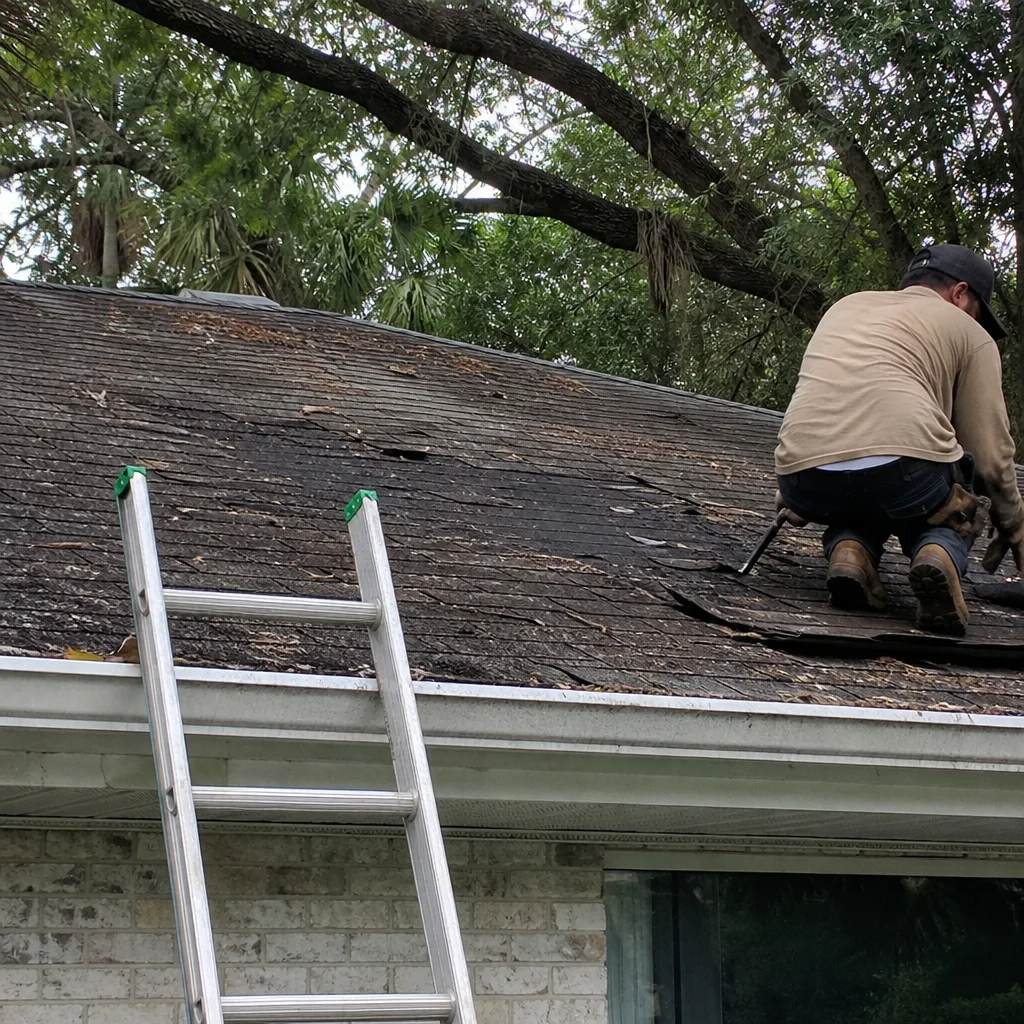 Before
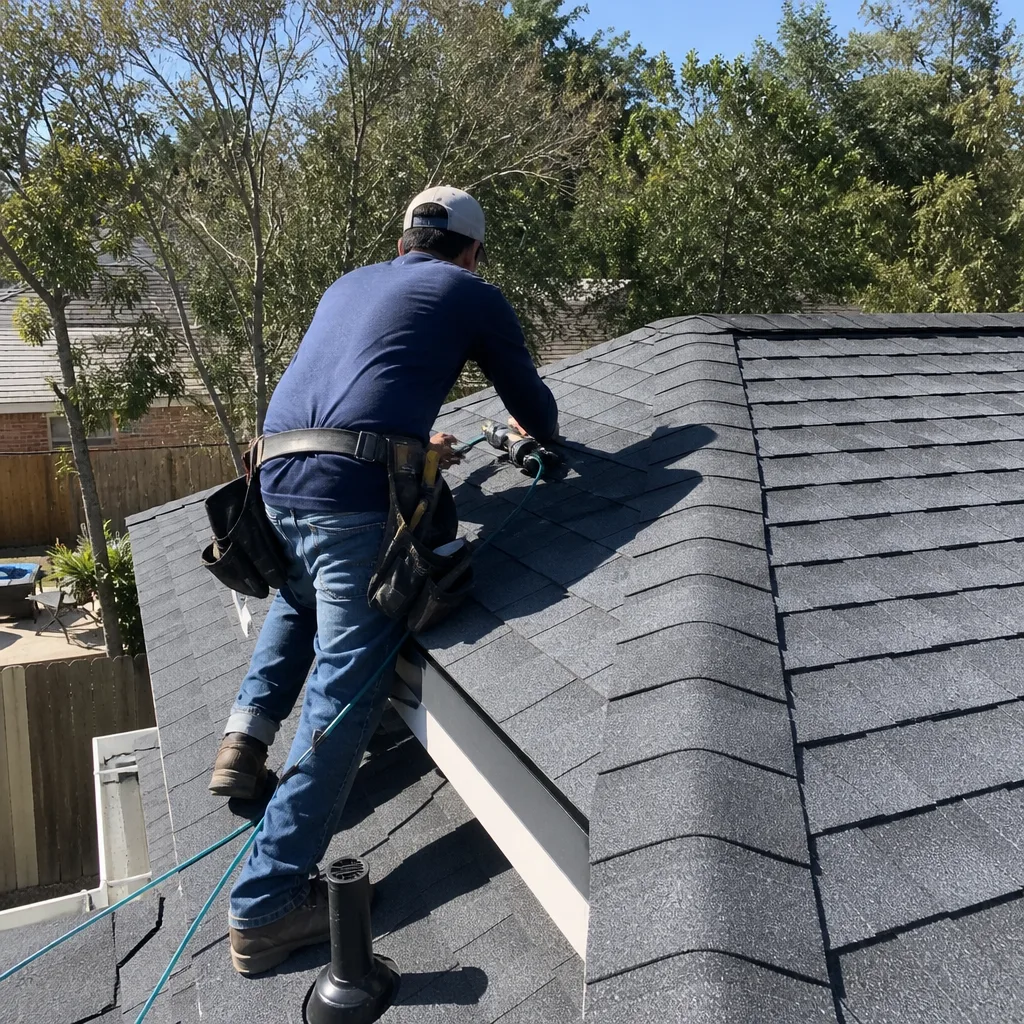 After
After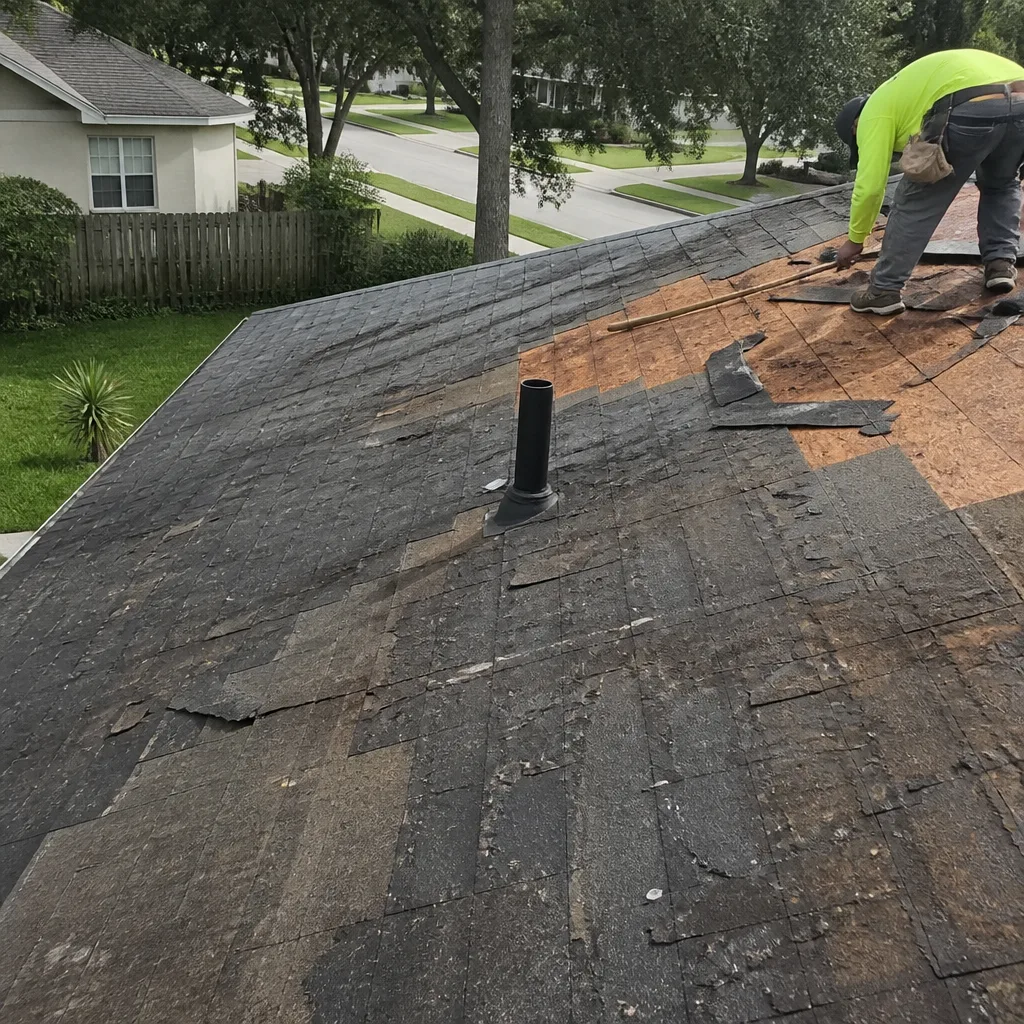 Before
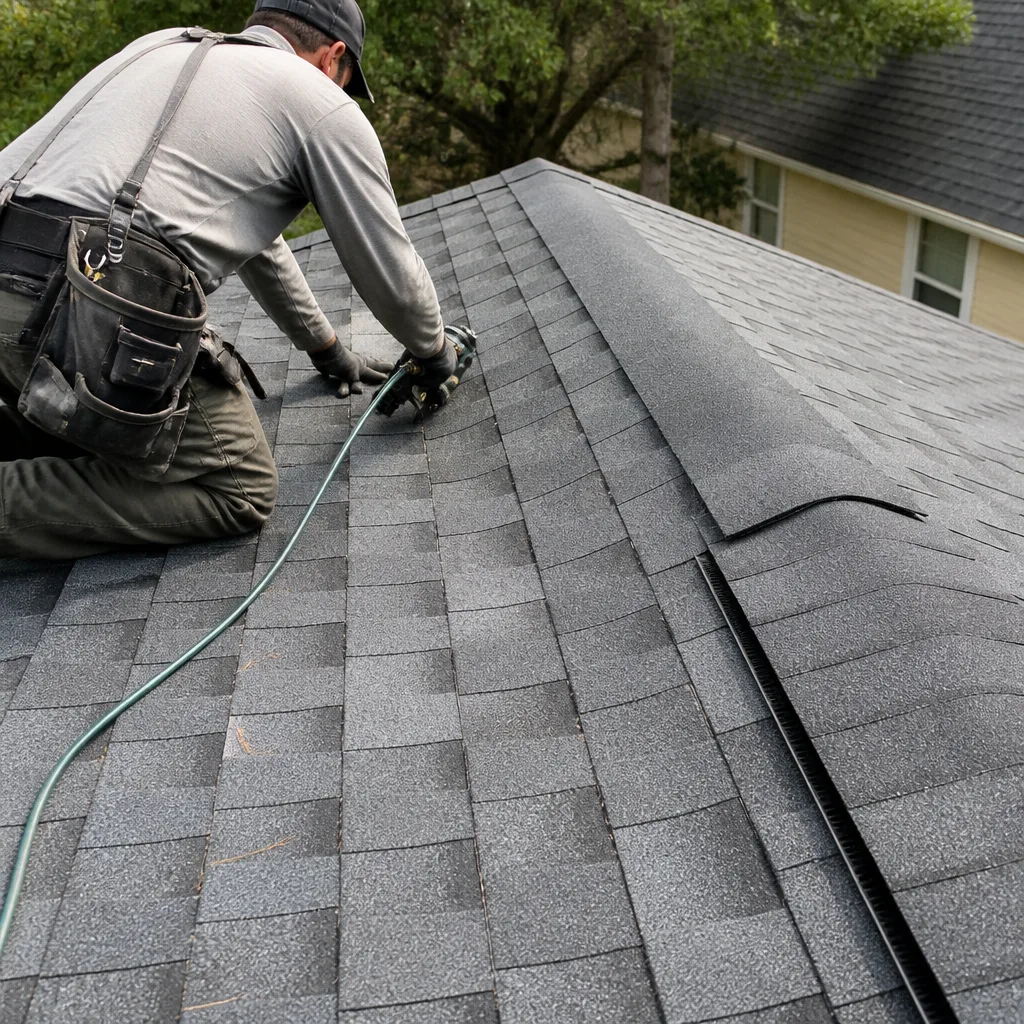 After
After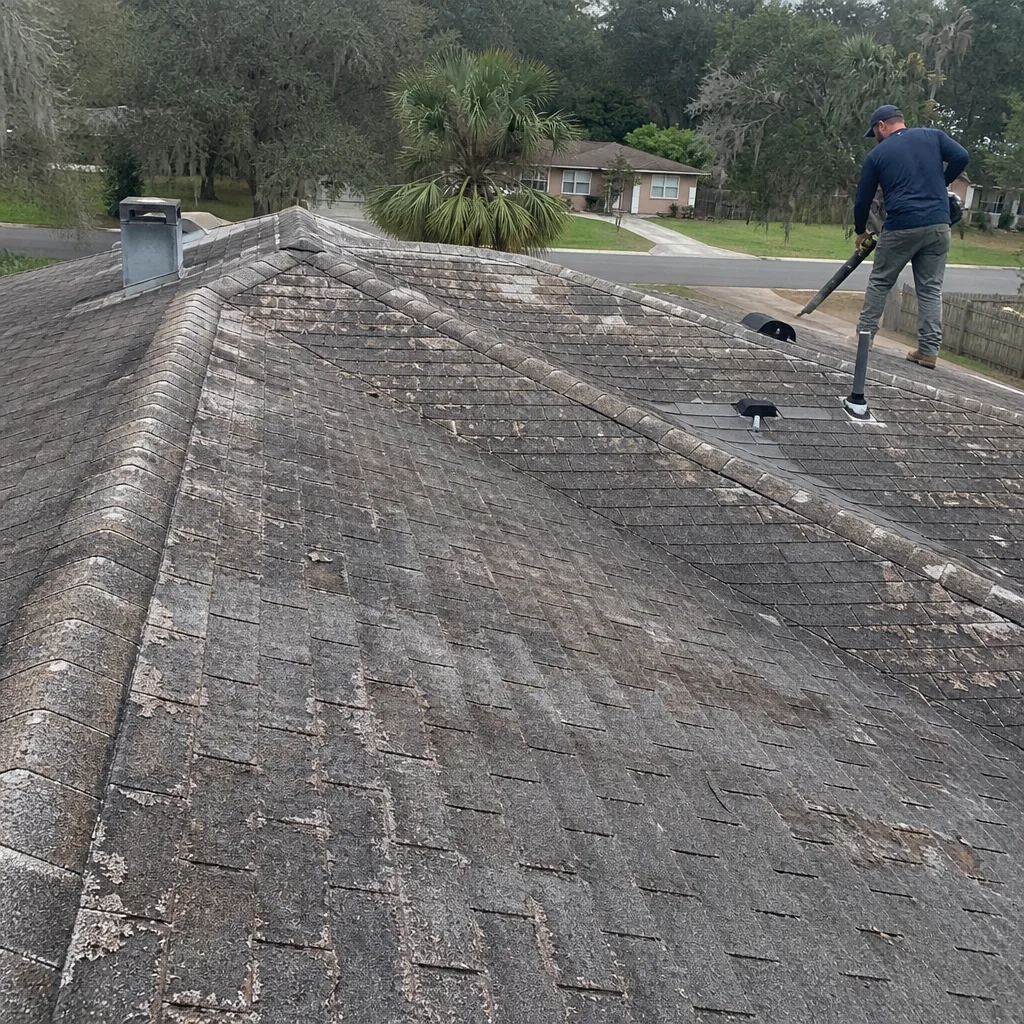 Before
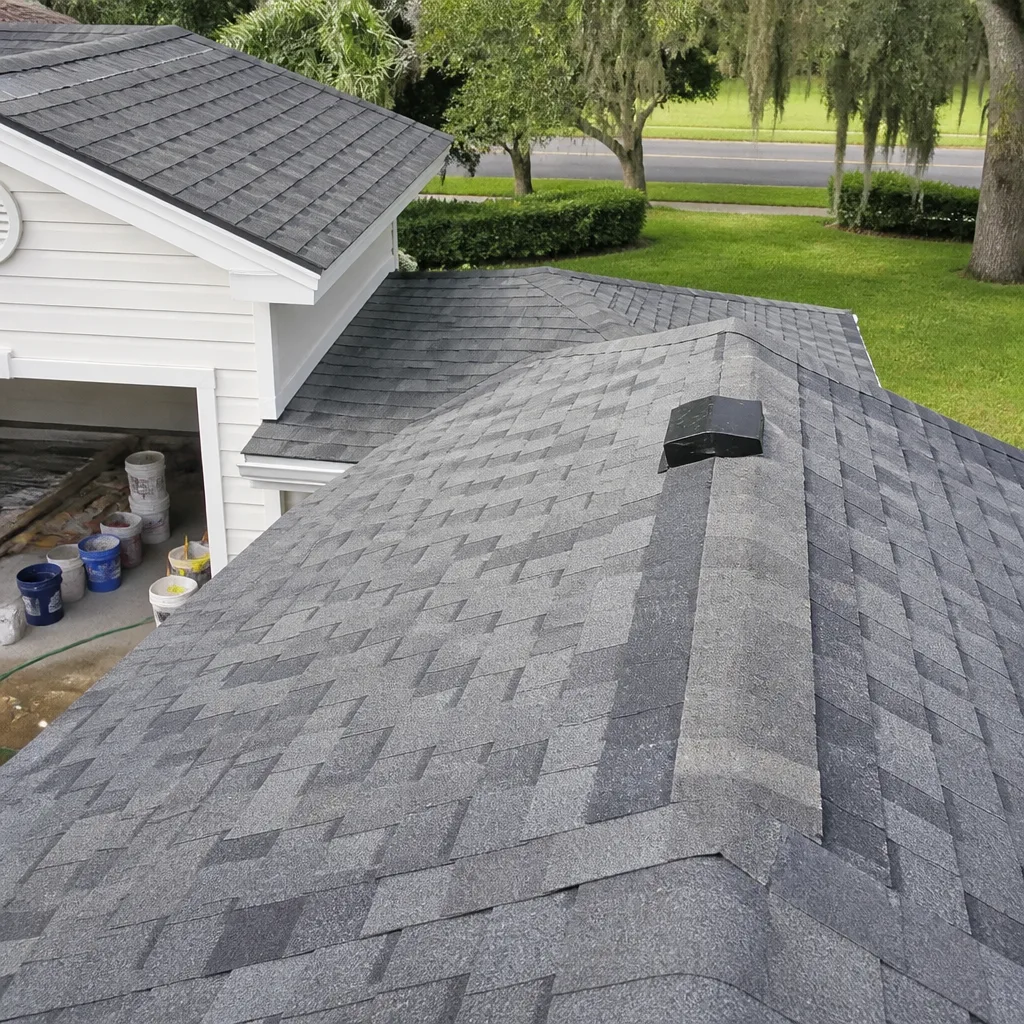 After
AfterReplacement Cost & What’s Included
For a typical 1,800 to 2,400 square foot Jacksonville home, full Atlas ridge vent installation runs $850 to $1,400 installed. The price breaks down roughly as material at $4 to $6 per linear foot for OEM Atlas vent, plus the cap shingles, nails, and sealant. Labor accounts for the rest, and it’s where the price varies most: a single-story ranch in Arlington with a walkable 4:12 pitch is less labor than a two-story in Riverside with a steep 10:12 and limited ladder access.
What’s included at that price, in writing before any work starts: removal and disposal of the old vent material, inspection of the decking underneath (we’ll show you photos if there’s rot, and the written price to fix it), installation of the new Atlas vent with correct nail pattern and sealant, new cap shingles to match, and cleanup with a magnetic nail sweep of the yard and driveway. If we find rotted decking once the old vent comes off, you’ll see it yourself before we proceed, and you’ll get a written price for that repair before another nail goes in. No change orders at the door. The work is backed by the 365-Day Done Right Promise: one full year, in writing, and if it fails we return at no charge.
DIY or Call Us?
Ridge vent work is not a high-tension job like a garage spring, but it is roof work, and in Jacksonville that means a steep pitch, a hot surface, and a long fall if something goes wrong. This is not a job we recommend for a weekend warrior with a ladder and a YouTube video. The safe, honest division of labor: you can check for visible lifting, warping, or storm damage from the ground or from inside the attic. You should not be on the roof removing cap shingles, because once the vent is exposed, a wrong nail pattern or a bad sealant bead will leak inside two years and you won’t know until the ceiling stain shows up.
The other thing you can’t easily do yourself is identify which Atlas profile you have. If you guess wrong and order the wrong vent online, you’ll discover the mismatch after you’ve already torn off the old material. We show up with both profiles on the truck, identify the right one in minutes, and you get a written price before we start. If you want a second opinion on what’s failing up there, call (904) 719-6346. Estimates are free, and nobody’s going to push a full reroof if all you need is a vent.
FAQs
In Jacksonville’s UV and humidity, an Atlas GlassMaster ridge vent should last 12 to 18 years when installed correctly. TruRidge, the older profile, lasts 8 to 12 years. If yours is failing at the five-year mark, the installation was likely the problem, not the material. Call (904) 719-6346 and we’ll take a look for free before you spend money replacing something that wasn’t the real issue.
A small section can sometimes be patched if the damage is isolated, like a single crushed section from a fallen limb. But on most Jacksonville homes, if one section has failed from UV breakdown, the rest is close behind. Patching in the wrong profile creates a seam that leaks. We’ll give you an honest read: if a patch makes sense, that’s what we’ll recommend, with the same one-year written guarantee as a full replacement.
Most Atlas ridge vent installations take four to six hours from setup to final nail sweep. If the decking underneath is rotted and needs repair, that adds time, and we’ll give you that number in writing before we start. Call (904) 719-6346 for a free estimate with a firm timeline.
Yes. We keep both GlassMaster and TruRidge profiles on our trucks in the standard widths and lengths, along with matching cap shingles and sealant. If we identify your vent as an older TruRidge and we need to order a longer run, we’ll tell you that day and give you a written price and a return date before any work begins.
If it’s not right, we’re not done. That’s the way Travis Oakley and our crew have run every job in Jacksonville, and it’s the standard this company was built on. The Garrison Standard means a written price before we start, a uniformed technician on your roof, and a phone answered by a live person when you call.
Call (904) 719-6346 to schedule your free Atlas ridge vent estimate in Jacksonville.
Written by Travis Oakley, Owner, Brennan Roofing Co Jacksonville at Brennan Roofing Co Jacksonville, serving Jacksonville and nearby areas.