
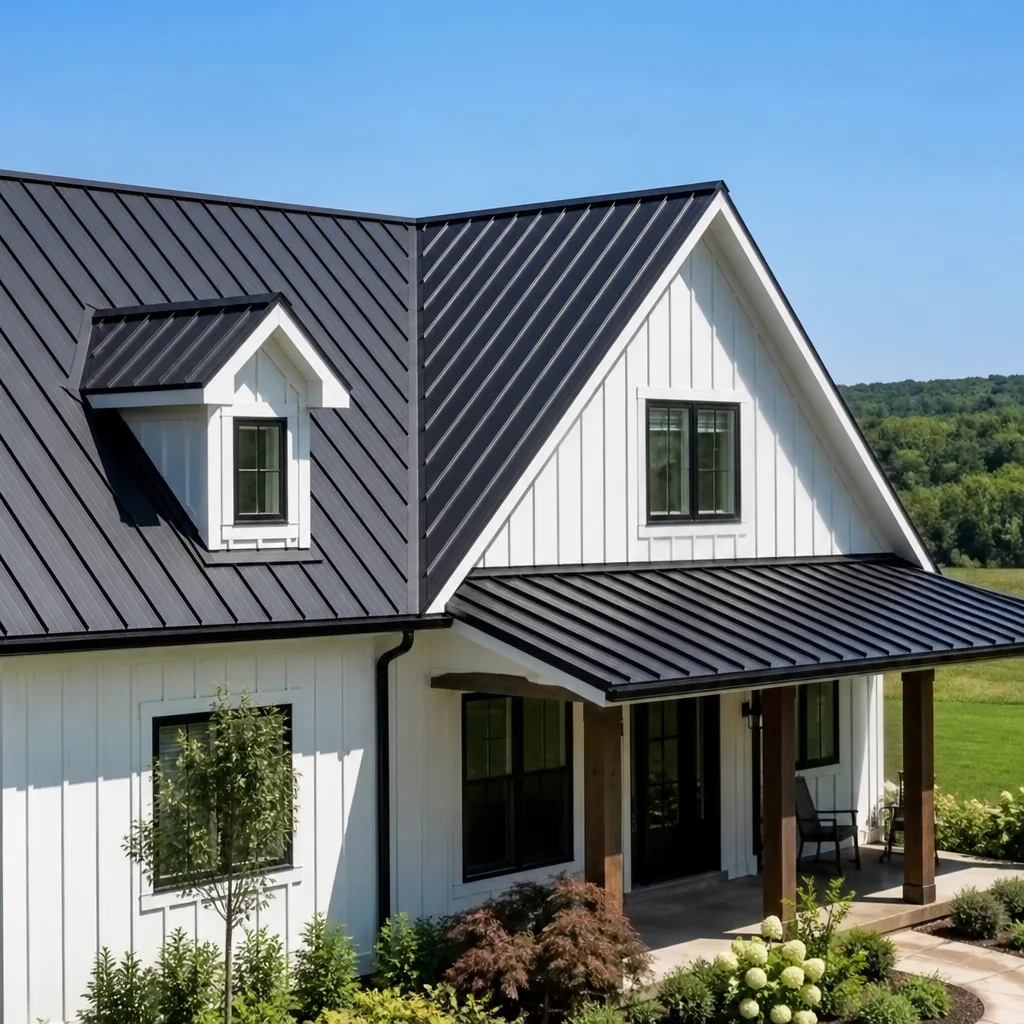
 Metal roofing
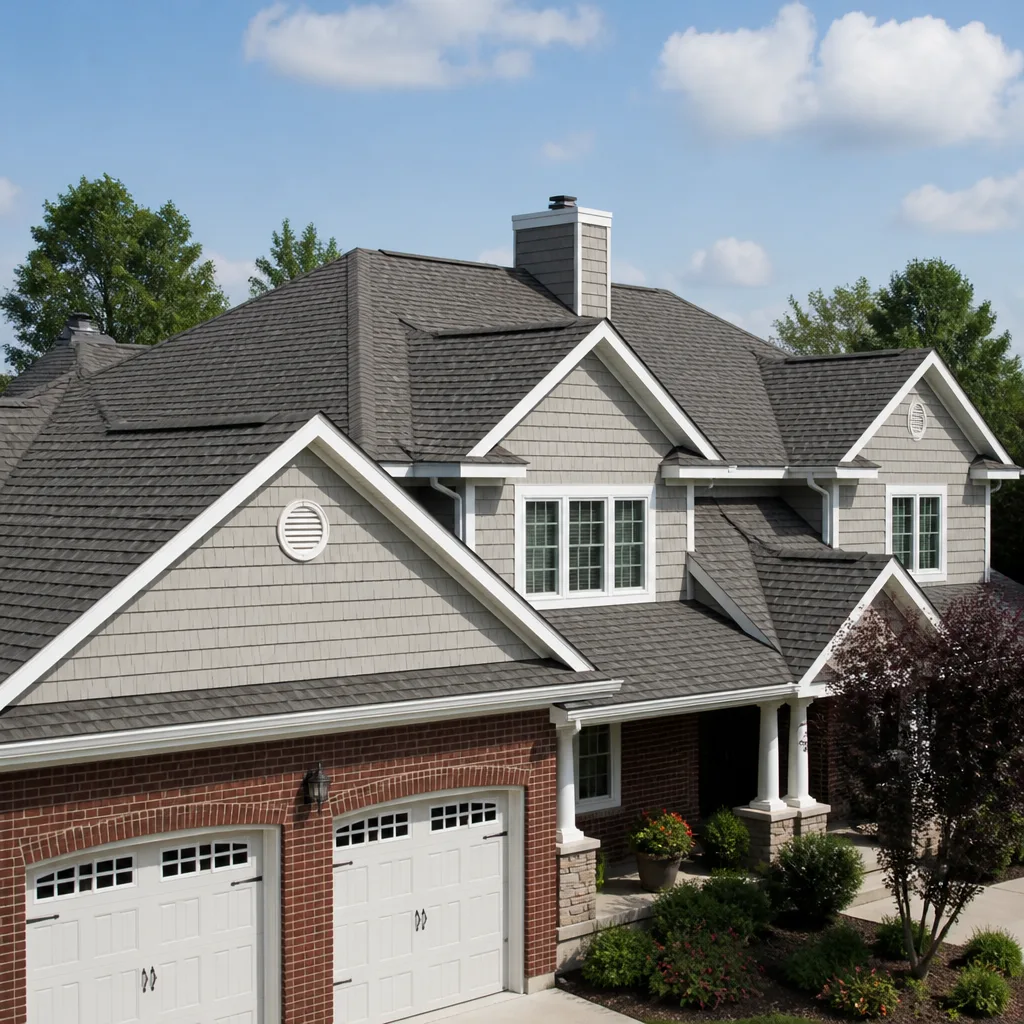 Architectural shingles
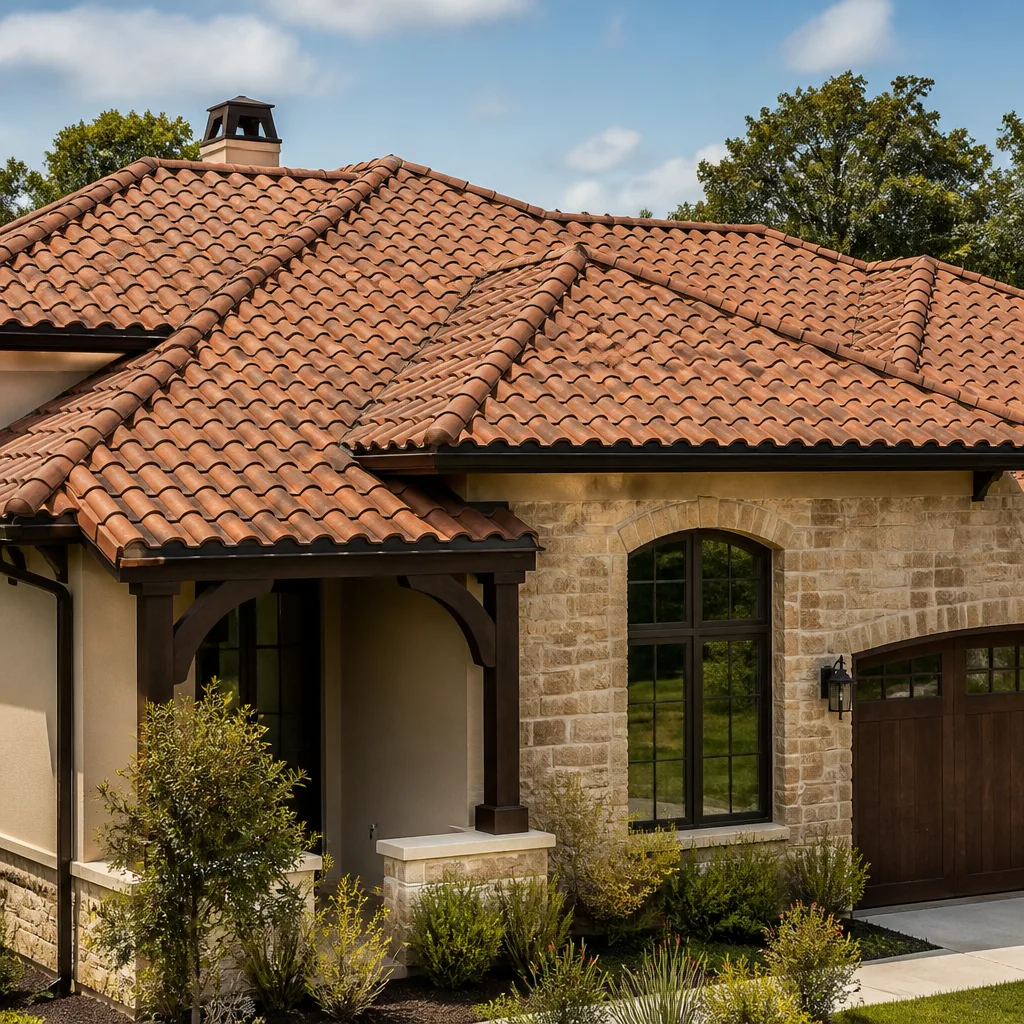 Tile roofing
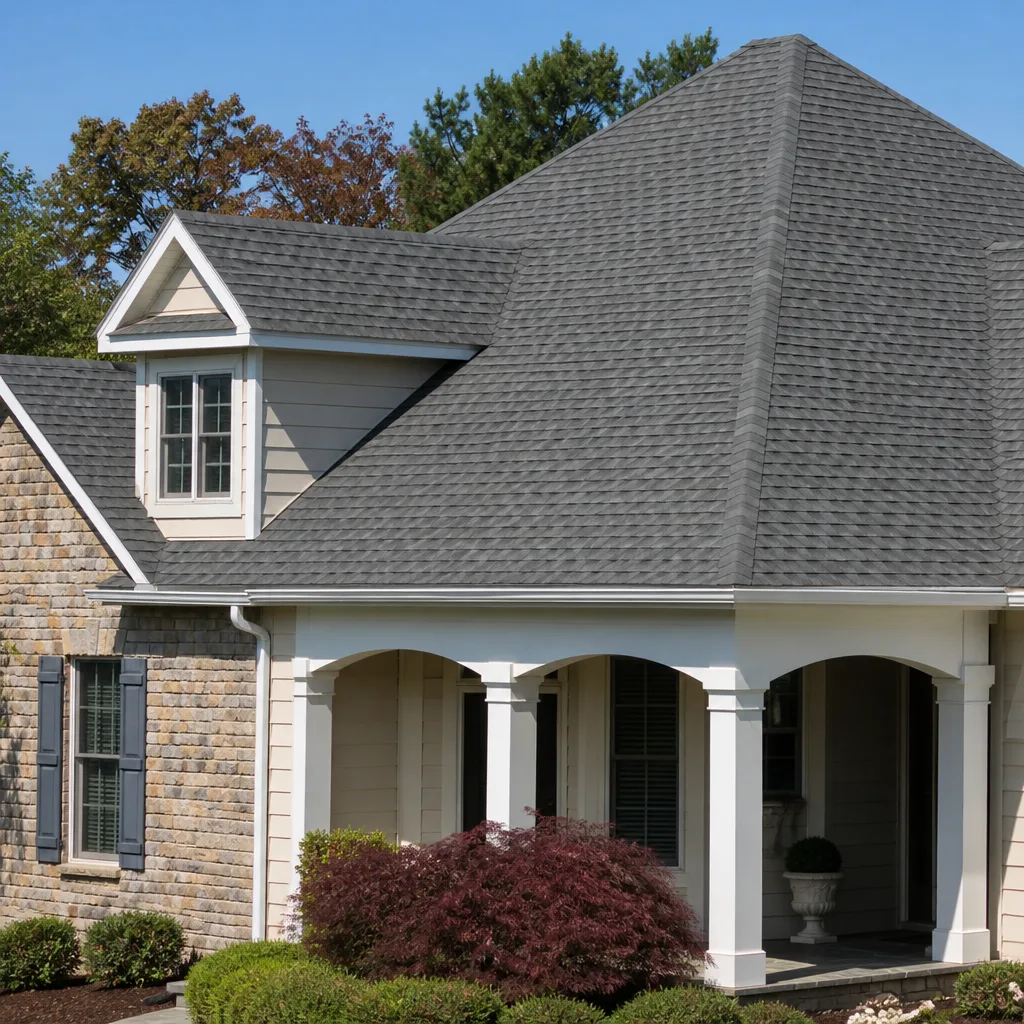 GAF
GAF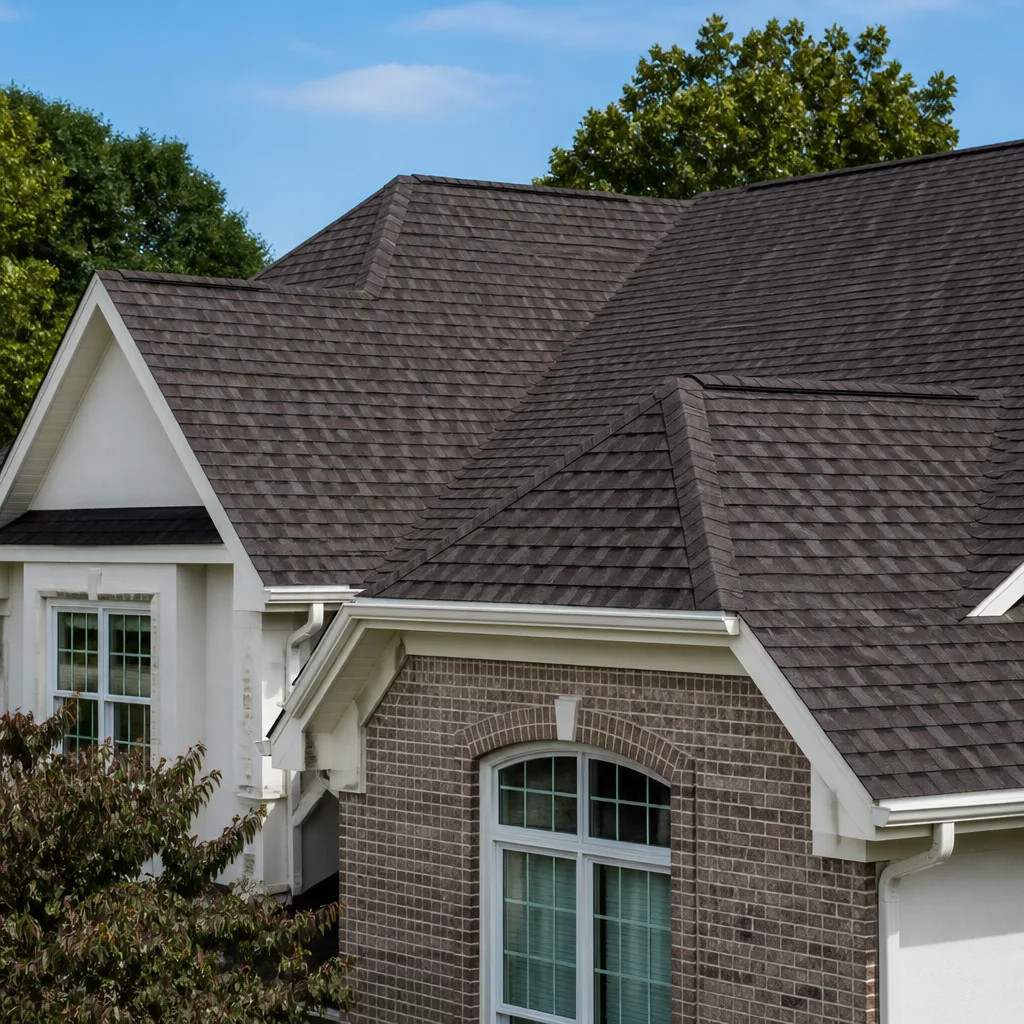 Owens Corning
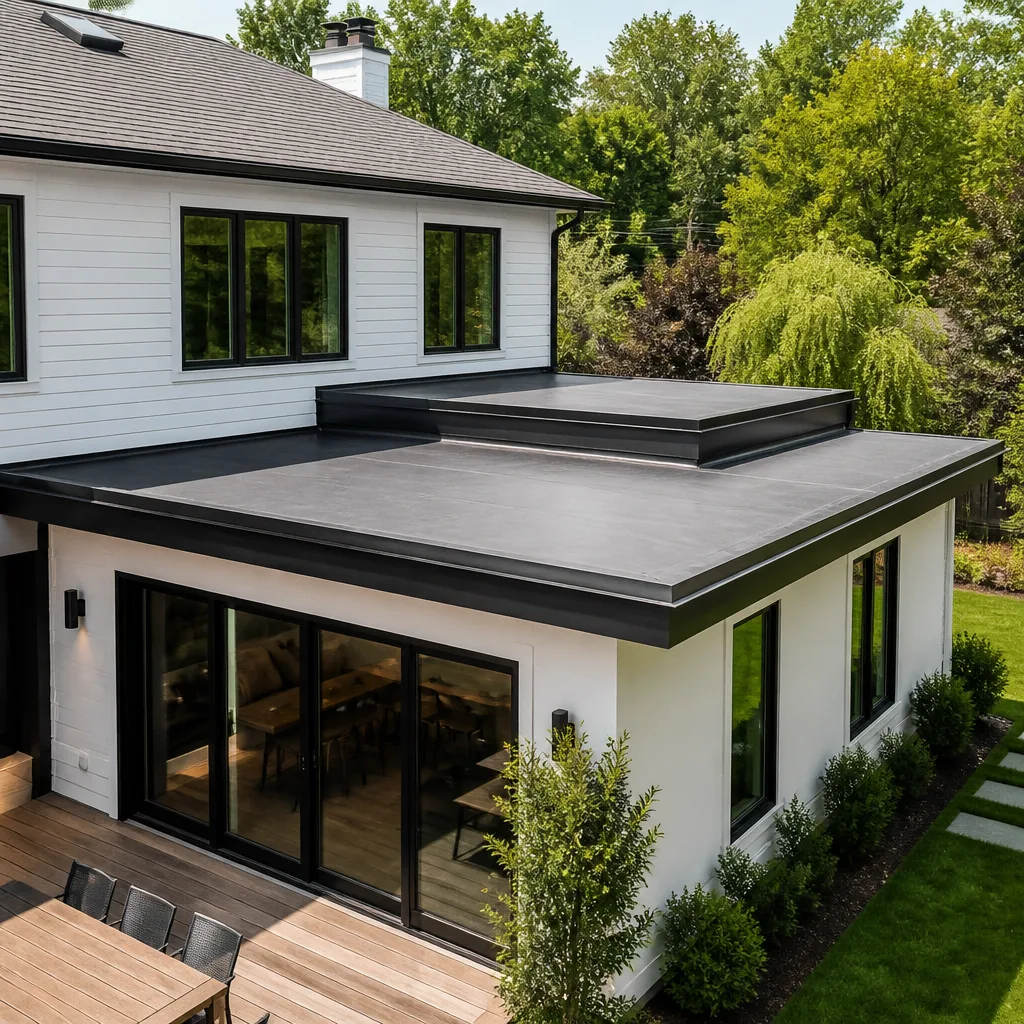 Flat & low-slope
Free roof inspection with deck photos before we talk money - GAF and Owens Corning certified installation
CertainTeed Flashing Replacement: The Jacksonville Owner’s Guide
Flashing replacement on a CertainTeed roof system in Jacksonville typically runs $350 to $900 installed per area, depending on how many penetrations need work and whether the decking underneath has rotted. We stock CertainTeed-compatible flashing on our trucks so most replacements happen the same day we diagnose the problem. Homeowners usually find out flashing has failed one of two ways: a brown water stain on the ceiling after a hard rain, or granules and shingle edges lifting around a pipe boot, chimney, or wall joint. Flashing is the metal or synthetic barrier that keeps water from sneaking in where the roof meets something vertical, and when it fails, water gets in fast.
Which CertainTeed Models This Applies To
If your roof was installed with CertainTeed shingles, the flashing failure is rarely about the shingles themselves. It’s about the metal or synthetic pieces sealing the roof’s transitions. The good news: flashing replacement is compatible across all CertainTeed residential shingle lines we see in Jacksonville, including Landmark, Landmark Pro, XT 25, Presidential Shake, and the Grand Manor lines. The flashing sits under and around the shingles, so the replacement part you need depends on what’s leaking, not which shingle model you have.
Here’s the compatibility gotcha most homeowners don’t know: CertainTeed’s roofing accessories, including flashing components, come in specific sizes matched to pipe diameters and roof pitches. A 1½-inch pipe boot is not interchangeable with a 2-inch one, and using the wrong size is why some Jacksonville homeowners end up with repeat leaks. We match pipe boots to the penetration size, step flashing to the wall’s footprint, and apron flashing to the chimney’s dimensions. You can check the labels on your original CertainTeed bundle wrappers or look for the CertainTeed stamp on any exposed flashing edge. If you can’t find it, we measure and identify what’s there.
OEM CertainTeed flashing versus quality aftermarket equivalents is a decision worth understanding. CertainTeed’s own flashing components are engineered to pair with their shingle profiles and color families, which matters if the flashing is visible along a wall or chimney. Aftermarket options from brands like Oatey or Pli Seam can match the specs and hold up fine, but they may not match the color exactly. We install both. The price difference is real but modest: OEM CertainTeed flashing parts usually run 15 to 25 percent more than aftermarket. We’ll tell you the price on paper for each option before any work starts, so you decide with real numbers, not sales pressure.
Brennan Roofing Co Jacksonville is an independent roofing company, not affiliated with CertainTeed. We also carry flashing and components compatible with GAF and Owens Corning systems for homeowners who have mixed roofing lines on one house.
Styles & brands we work with
Signs Your CertainTeed Flashing Replacement Is Failing
- Water stains on ceilings or upper walls after storms. This is the classic first sign. Flashing failure lets water run behind the shingles and along the rafters, showing up inside far from the actual leak point. In Jacksonville, leak stains often appear first on the side of the house facing the dominant storm direction, which changes between summer afternoon squalls and winter cold fronts.
- Lifted or curled shingles around a pipe boot, chimney, or skylight. Shingles don’t curl around penetrations on their own. When the flashing underneath fails, the shingles lose their support and the adhesive bond breaks. You’ll see it most often on the hottest roof planes where Jacksonville’s sun bakes the adhesive into dust.
- Visible rust, cracking, or separation on metal flashing. Galvanized and aluminum flashing both corrode over time, but Jacksonville’s salt air and humidity cut their lifespan shorter than manufacturers intend. Look at the metal where it meets a chimney or wall joint: if you see rust streaks, cracked caulking, or a gap between the flashing and the vertical surface, water is finding its way in.
- Granules collecting in gutters in unusually high amounts near roof penetrations. A little granule loss is normal. A concentrated pile of granules below a pipe boot or valley means the shingles there are wearing unevenly, which usually traces back to water intrusion around the flashing.
- Peeling paint or efflorescence on interior walls near the roofline. Water that leaks through failed flashing often travels down the inside of exterior walls. You’ll see paint bubbling or a white chalky residue on brick or stucco. That’s the water telling you exactly where the flashing failed, even if the shingles look fine from the ground.
See the difference
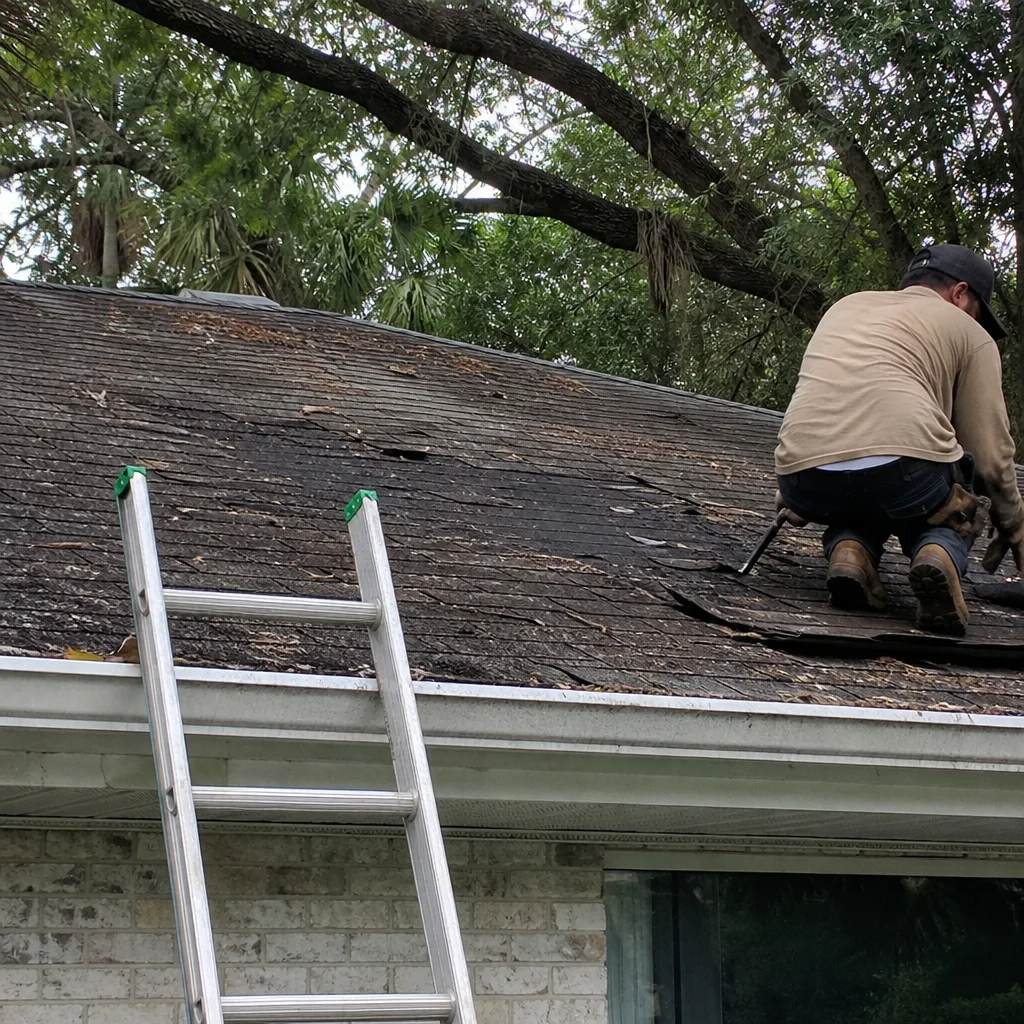 Before
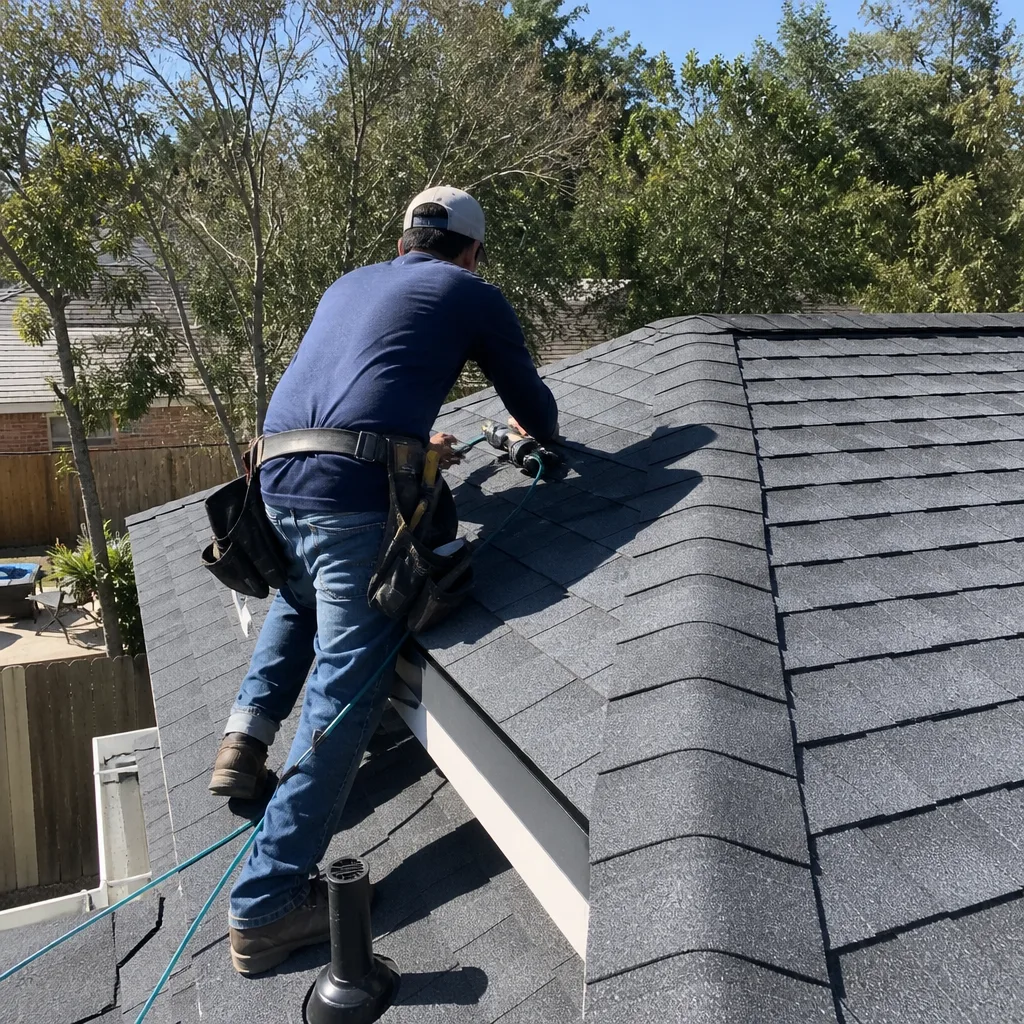 After
After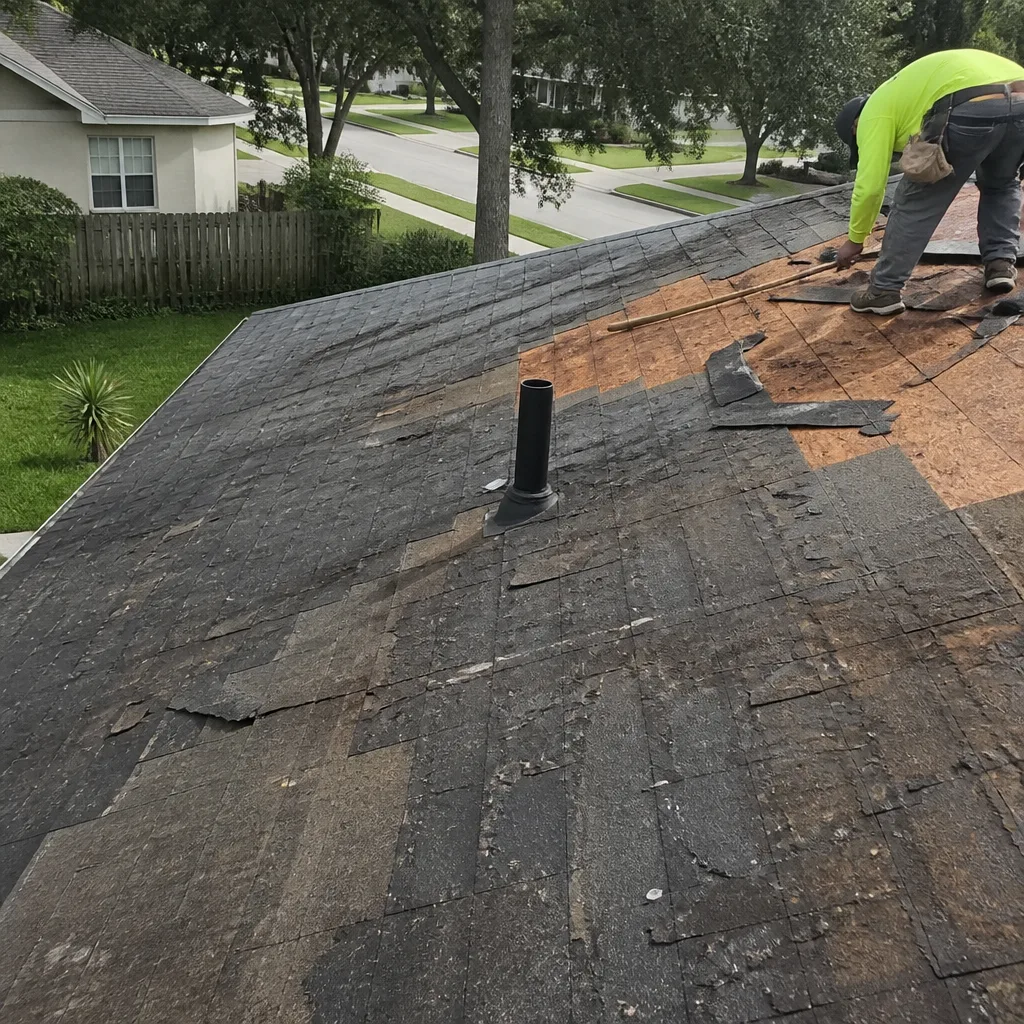 Before
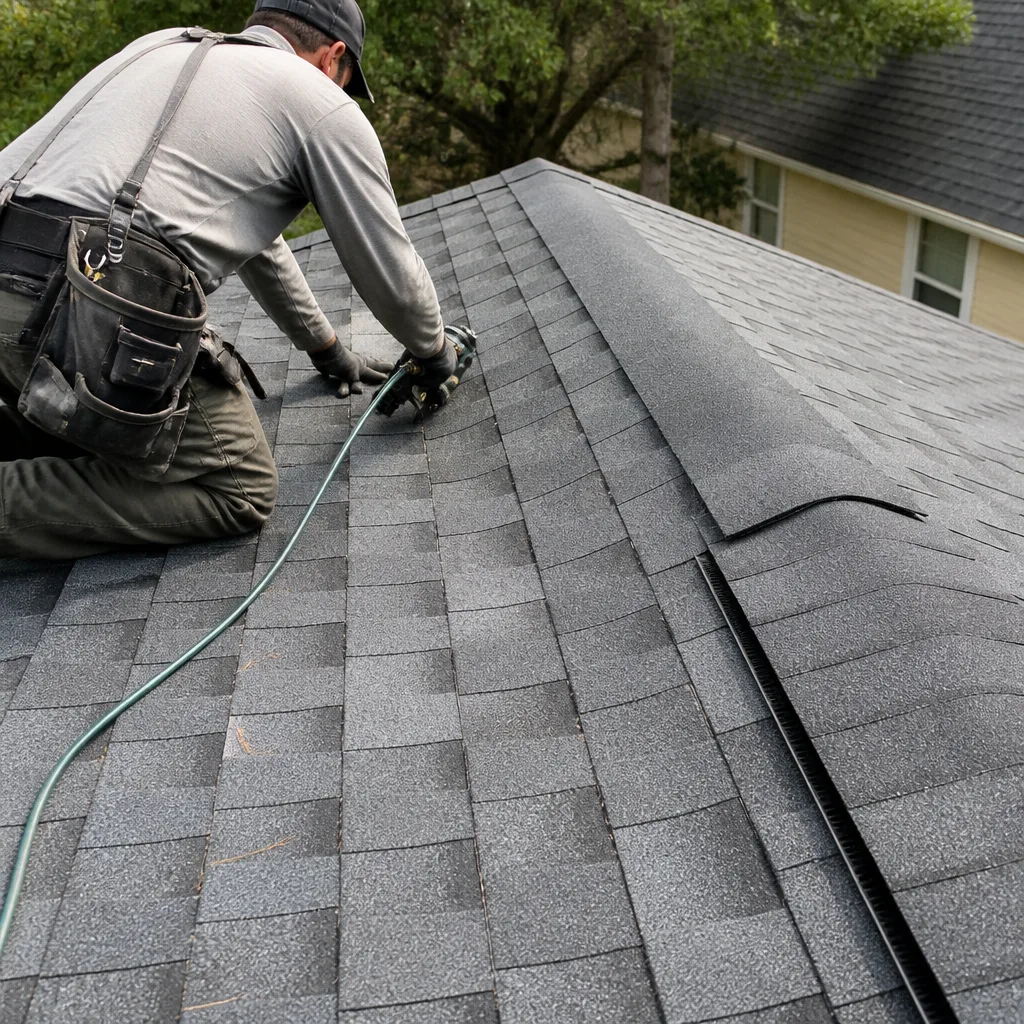 After
After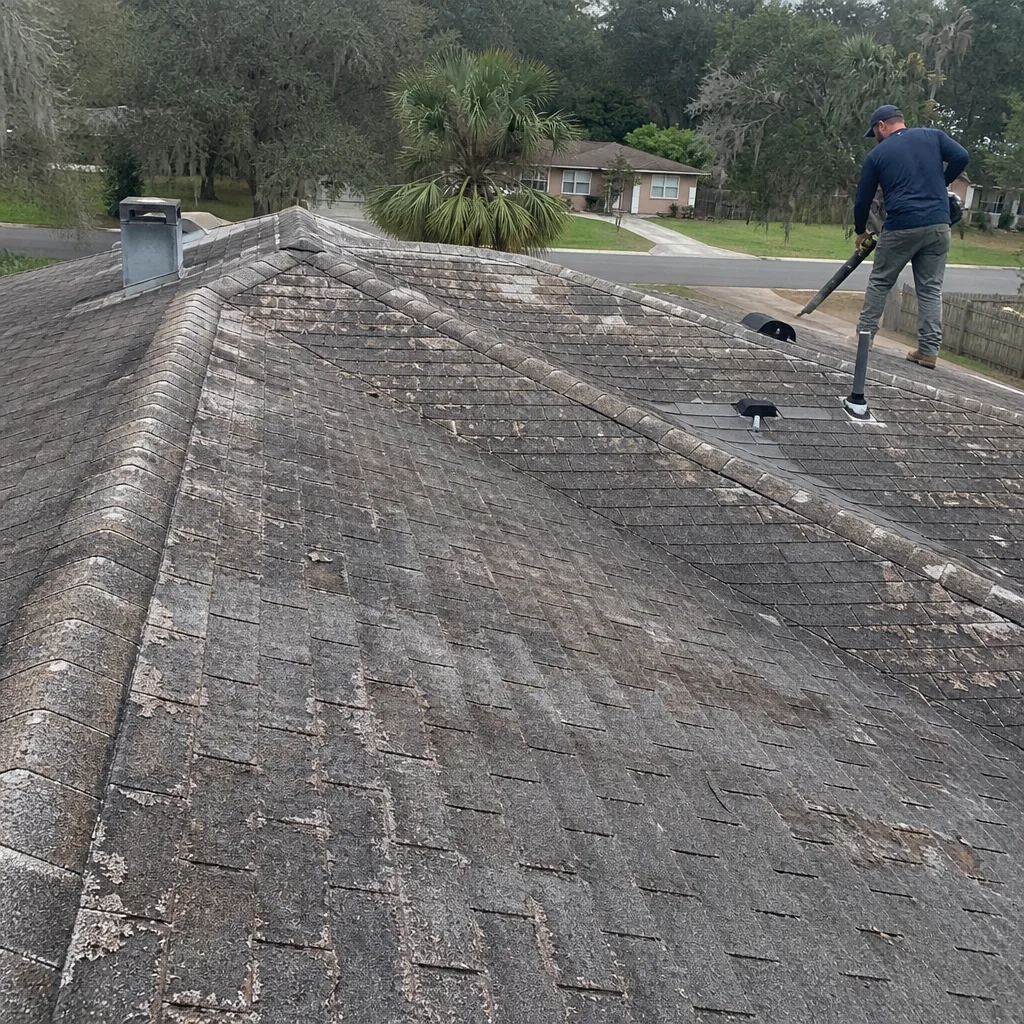 Before
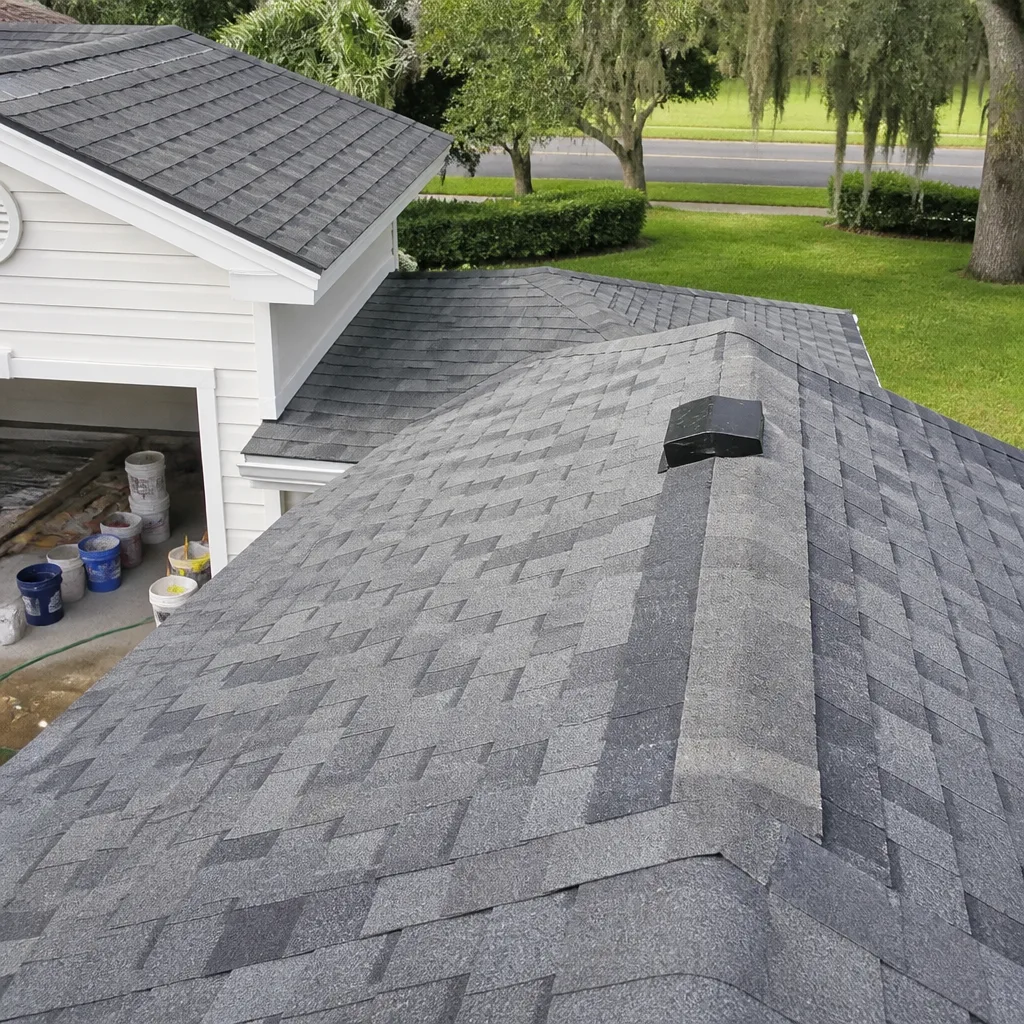 After
AfterReplacement Cost & What’s Included
In Jacksonville, flashing replacement costs vary by the type and location of the failure. Here are the installed price ranges we quote most often across the city, from Arlington to Mandarin to the Westside:
- Pipe boot / vent flashing replacement: $350 to $500 per penetration, including removing the surrounding shingles, replacing the boot, and resealing with new underlayment.
- Step flashing replacement along a wall or dormer: $500 to $800 per wall, including cutting back and replacing damaged decking if the water has been running for a while.
- Chimney flashing replacement: $600 to $900, including new apron, step, and counter flashing, plus fresh sealant at the mortar joints.
- Valley flashing repair or replacement: $450 to $750, depending on whether the existing valley metal can be lifted and resealed or needs full replacement.
What drives the range? Two things: whether the decking underneath is still solid, and how many shingle courses need to be removed and reinstalled to expose the flashing. If the decking is soft or rotted from long-term water exposure, that section gets replaced before new flashing goes in. In Jacksonville, we see more decking rot near the coast, where salt air accelerates both metal corrosion and wood decay.
Every price we quote is written down before any work starts. That number does not change at the door. The job includes the part, the labor, and a written one-year guarantee through our 365-Day Done Right Promise. If it fails within the year, we come back and fix it at no charge. That guarantee applies to every flashing replacement we install, no exceptions.
DIY or Call Us?
Flashing replacement is not a weekend project, and we’re not going to pretend otherwise. The part itself is cheap. The problem is getting to it. Flashing lives under the shingles, which means you’re pulling up roofing, cutting back underlayment, working around electrical services and gas vents, and likely doing it all on a ladder or a steep Jacksonville roof pitch. One wrong cut in the wrong place and you’ve turned a $400 flashing job into a $4,000 decking and ceiling repair. If you’re on a single-story ranch with a walkable pitch and the leak is at a pipe boot you can reach safely from the roof, you might tackle it with the right materials and a dry weather window. Anything on a chimney, a wall joint, or a two-story roof line deserves a professional. We’ve fixed enough DIY flashing attempts in Jacksonville to know the pattern: the leak comes back or moves, and the real fix costs more than the original repair would have.
Call (904) 719-6346 and we’ll come out, identify exactly what failed, and put a written price in your hand before any work begins.
FAQs
Most flashing installed properly on a CertainTeed roof in Jacksonville lasts 15 to 20 years, but Florida’s salt air, humidity, and intense UV exposure can shorten that to 10 to 12 years on exposed metal, especially on chimneys and wall joints facing south. Pipe boots with rubber collars tend to fail first because the rubber degrades faster in heat. If you’re past year 12 and seeing rust or cracked sealant, replacement is coming.
Small sealant failures at exposed joints can sometimes be patched with a quality roofing sealant and get you another year or two, but once metal is rusted through or the flashing has separated from the decking, repair is a temporary bandage. We’ll tell you straight up which situation you have. If we can reseal it and it holds, that’s the honest fix. If it needs replacement, we’ll put the price on paper and let you decide.
A single pipe boot replacement usually takes one to two hours. A full chimney flashing replacement can take half a day, and a wall with step flashing runs three to four hours. The work needs a dry window, and Jacksonville afternoon thunderstorms in summer can push a job to the next morning. We’ll give you a clear time estimate when we quote the price. Call (904) 719-6346 to schedule an assessment.
Yes. Our trucks carry pipe boots in the common sizes, step flashing in standard dimensions, and the sealants and underlayment needed to match a CertainTeed installation. If your job calls for a less common size or an OEM CertainTeed color-matched piece, we order it and typically have it within two business days.
If it’s not right, we’re not done. That’s how Travis Oakley and the crew at Brennan Roofing Co Jacksonville approach every flashing replacement across Jacksonville. Call (904) 719-6346 for a free estimate, or to ask a question about what you’re seeing on your roof.
Written by Travis Oakley, Owner, Brennan Roofing Co Jacksonville at Brennan Roofing Co Jacksonville, serving Jacksonville and nearby areas.