
Last updated October 17, 2026
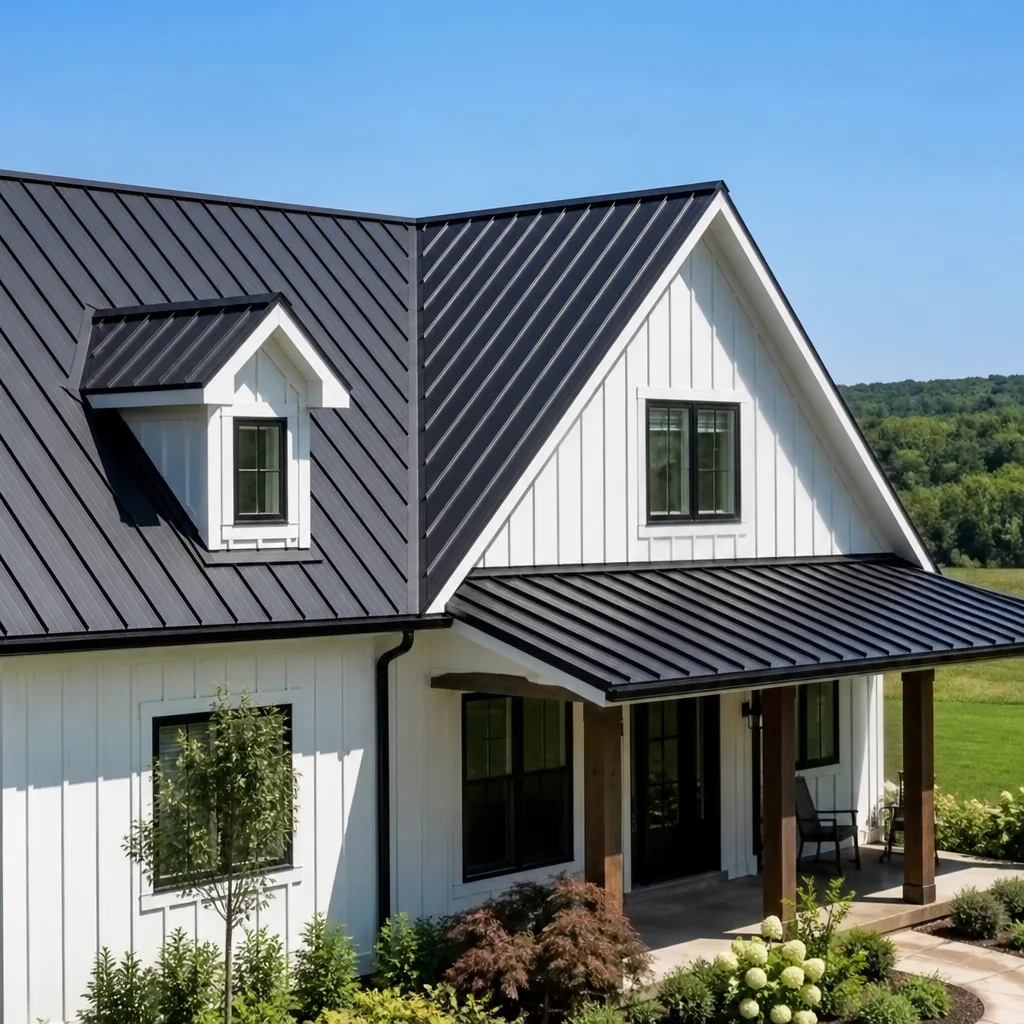 Metal roofing
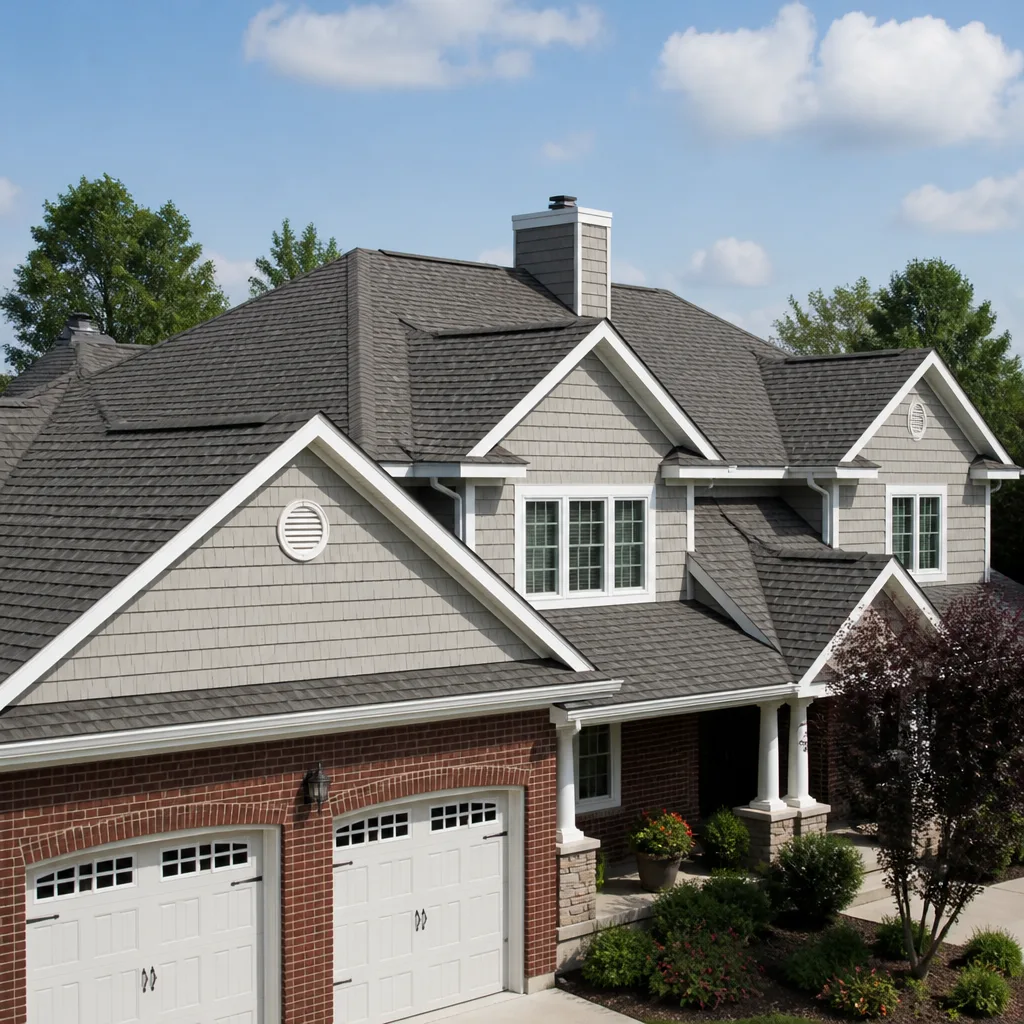 Architectural shingles
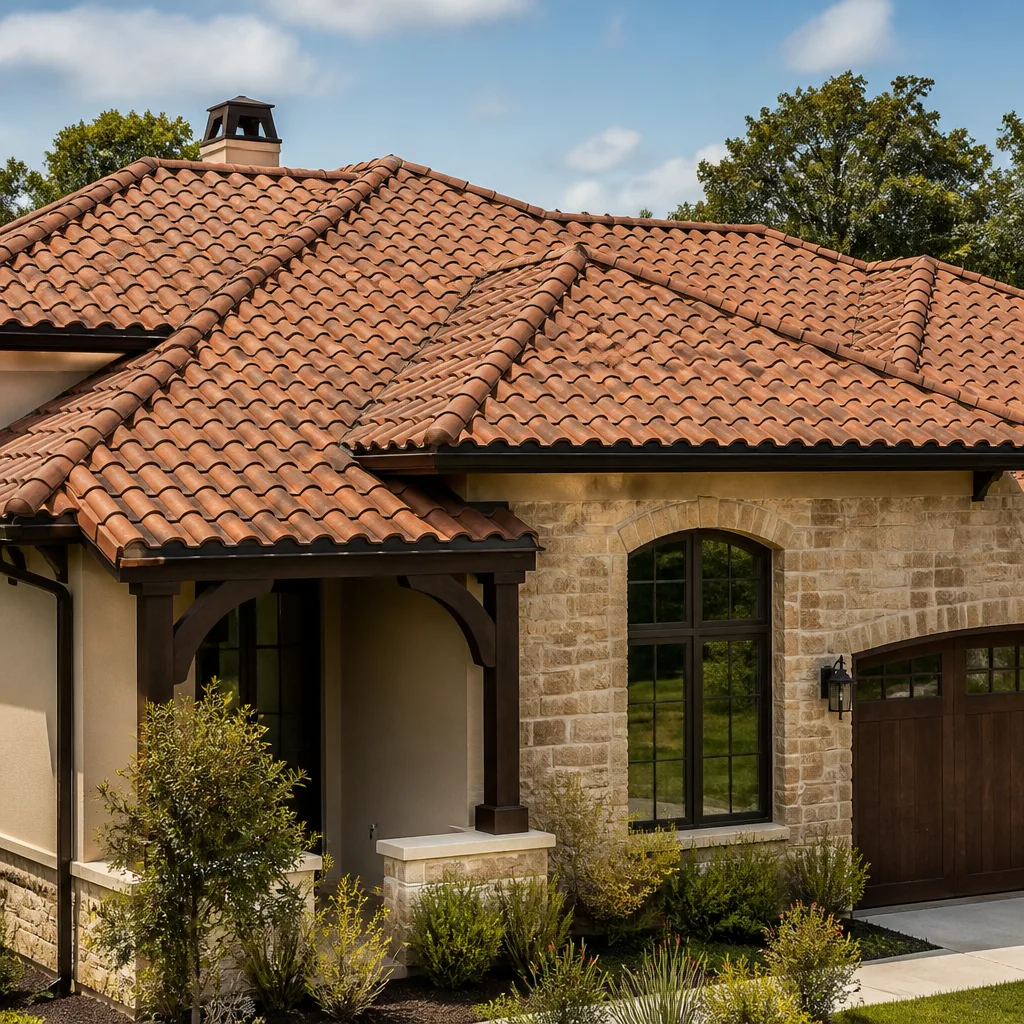 Tile roofing
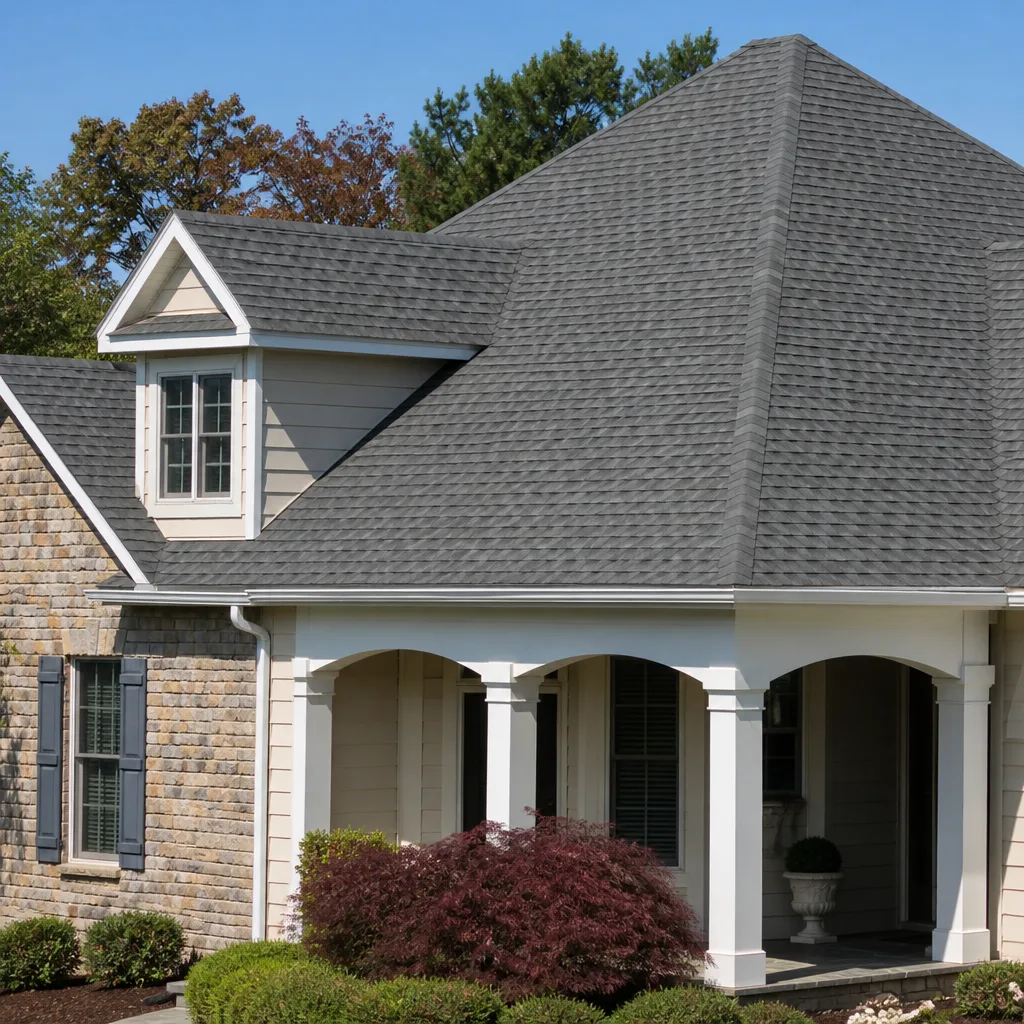 GAF
GAF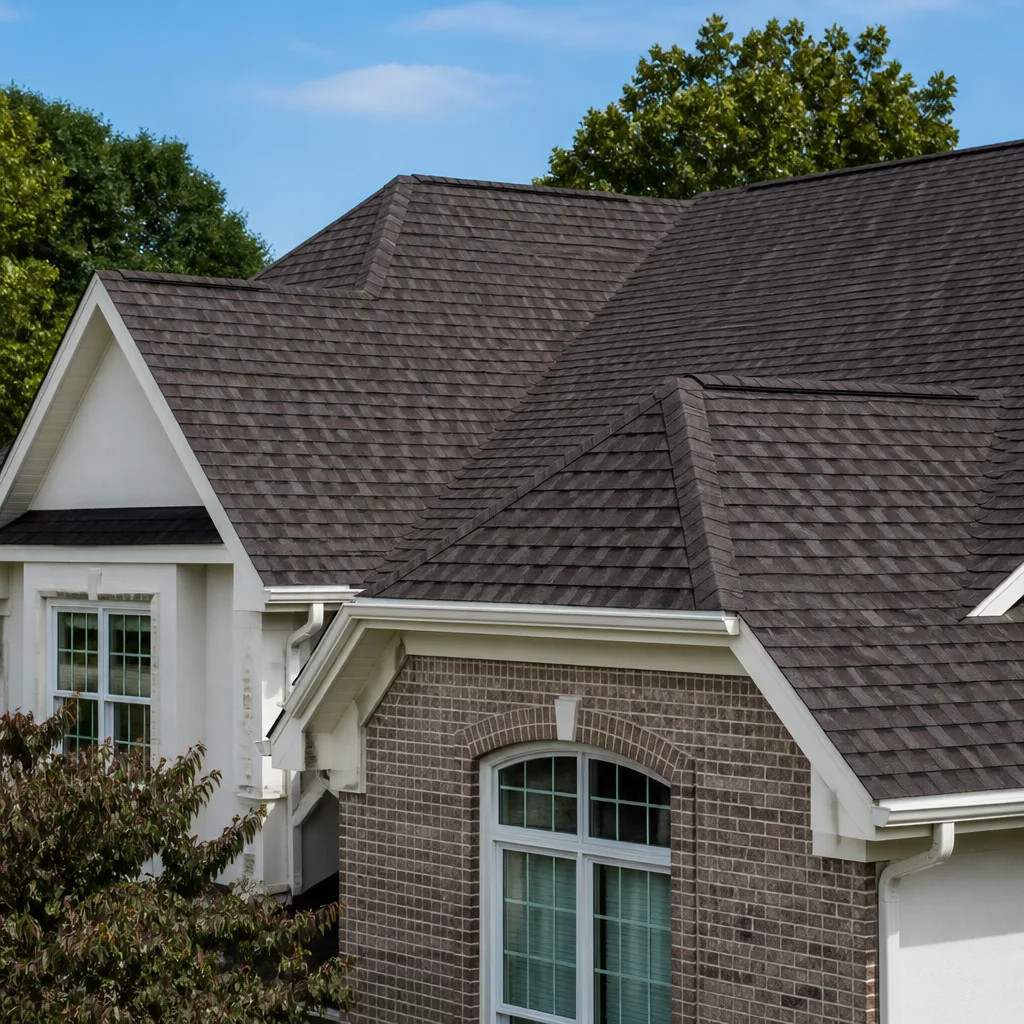 Owens Corning
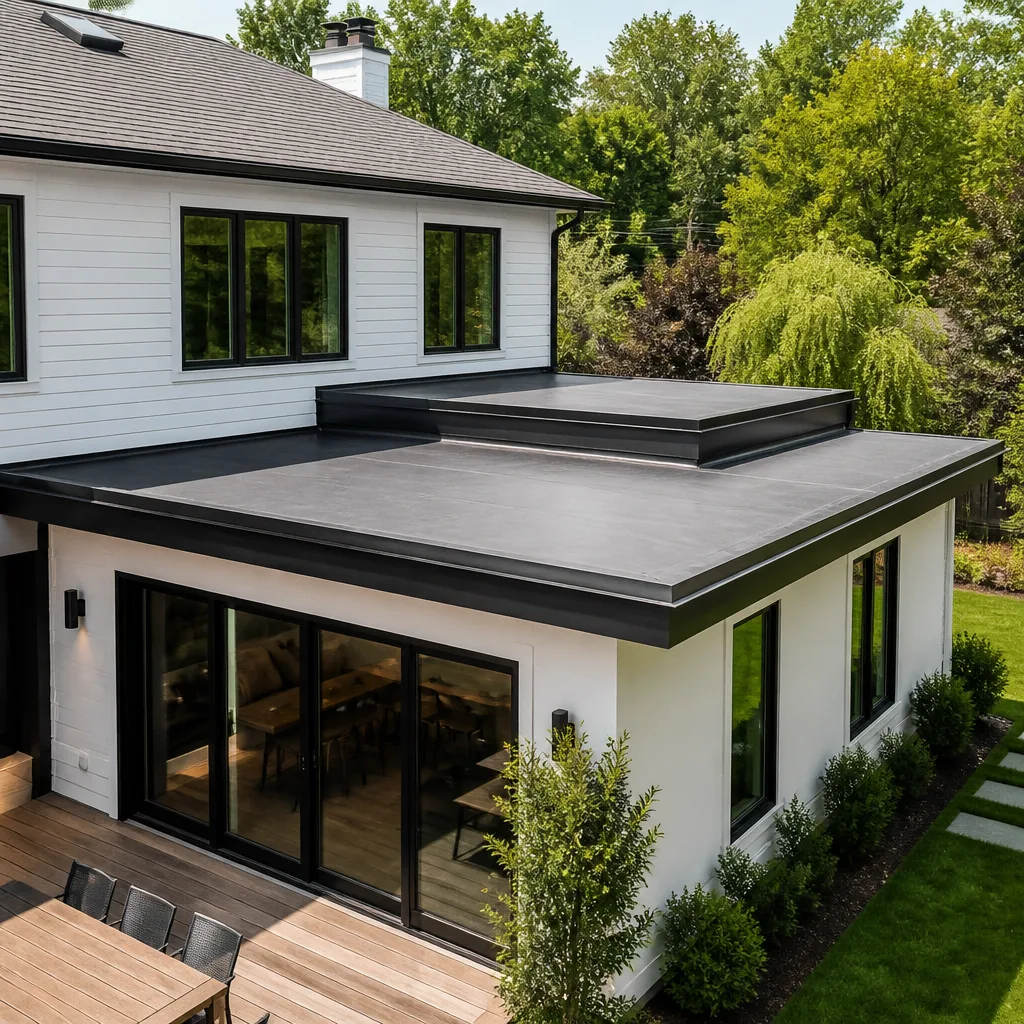 Flat & low-slope
Free roof inspection with deck photos before we talk money - GAF and Owens Corning certified installation
DIY vs Professional Roofing: The Jacksonville Homeowner’s Decision Guide
In Florida, a DIY roof replacement that doesn’t pull a permit can legally void your homeowner’s insurance coverage on a subsequent claim, even a claim completely unrelated to the roof. That’s not a contractor sales pitch; it’s in the Florida Statutes and it’s the first thing an adjuster checks after a major storm rolls through Jacksonville. This guide gives you the honest framework most roofing articles skip (for more guides & resources): which tasks are legal for a Jacksonville homeowner to do themselves, which ones require a licensed contractor, what it actually costs both ways, and what your insurance policy really says about unpermitted work. By the end, you’ll know whether to get on the ladder or get on the phone.
Quick Answer
For most Jacksonville homeowners, professional roofing is the correct choice for anything beyond three narrowly defined tasks: minor flashing caulking, replacing a single shingle, and clearing gutters. The determining factors aren’t just skill and materials cost, they’re Florida Statute 489, your homeowner’s insurance policy language, Duval County permit requirements, and the specific failure patterns caused by Florida’s heat, humidity, and hurricane exposure. If the work touches the roof structure, the underlayment, or more than a few shingles, DIY in Jacksonville creates legal and financial exposure that typically costs far more than hiring a licensed roofer.
Styles & brands we work with
Table of Contents
- The Legal Boundary: What a Jacksonville Homeowner Can (and Cannot) Do
- The Insurance Reality Most Homeowners Haven’t Read
- The Real DIY vs Professional Cost Comparison in Jacksonville
- Three Roofing Tasks a Jacksonville Homeowner Can Handle
- Five Roofing Tasks That Cost More When DIY Goes Wrong
- Jacksonville-Specific Factors: Weather, Code, and Market Realities
- Common Mistakes to Avoid
- When to Call a Professional
- Frequently Asked Questions
The Legal Boundary: What a Jacksonville Homeowner Can (and Cannot) Do
Florida Statute 489 draws a hard line between what a homeowner can legally do to their own roof and what requires a licensed contractor. The statute exempts homeowners who act as their own contractor on their own residence, provided the home is not being sold or rented within one year of the work. That exemption sounds broad, but in practice it collides with Duval County permitting requirements and the Florida Building Code in ways that make most roofing work illegal for a DIYer.
What Florida law actually says is this: a homeowner can apply for an owner-builder permit and pull that permit on their own single-family residence. That’s legal. But here’s the catch the statute doesn’t advertise. The owner-builder exemption requires you to live in the home and not sell it or lease it for one year after completing the work. If you sell within that window, you’ve violated the statute. And in Duval County, the permit office still requires the same plans, the same wind-load documentation, and the same inspections that a licensed contractor must provide. Most homeowners don’t have access to the engineering data required for a reroof permit in a high-velocity hurricane zone.
The penalty exposure isn’t abstract. Unpermitted roofing work in Duval County can trigger a code enforcement action with fines that start around $100 per day and continue until the violation is corrected. That correction typically means tearing off the work you just did and hiring a licensed contractor to redo it, this time with permits. In our experience at Brennan Roofing, we’ve been called to fix DIY tear-offs in neighborhoods from Mandarin to Arlington where the homeowner discovered the permit problem only when they tried to sell or when the insurance company sent an inspector to renew the policy.
Here’s the practical line:
- A homeowner can legally: replace a single damaged shingle, caulk minor flashing gaps, clear gutters and downspouts, and remove small debris from the roof surface. None of these require a permit in Duval County.
- A homeowner cannot legally: replace underlayment, replace decking or roof sheathing, alter roof structure, install or replace flashing systems, or perform any work that changes the roof’s water-shedding or wind-resistance characteristics. These require a permit and are supposed to be done by a licensed contractor.
- The gray zone that isn’t gray: replacing even a small section of shingles beyond a single shingle involves underlayment and edge details that trigger the permit requirement. If the work touches anything below the shingle surface, you need a permit in Duval County.
Florida Statute 489 also imposes penalties on unlicensed contracting. A person who performs work that requires a license without holding one can face a first-degree misdemeanor charge. If the work is done during a declared state of emergency, which Jacksonville has experienced repeatedly during hurricane seasons, the charge escalates to a third-degree felony. That’s not a fine; that’s a criminal record.
The Insurance Reality Most Homeowners Haven’t Read
The section of your homeowner’s policy that matters here is usually titled “Duties After Loss” or “Conditions,” and it includes language that most Jacksonville homeowners have never read. The standard language requires you to protect the property from further damage and to cooperate with the insurance company’s investigation. What it doesn’t say, but what Florida courts and adjusters consistently enforce, is that unpermitted work done by an unlicensed person gives the insurer a coverage defense on a subsequent claim.
Here’s how it actually plays out after a storm. A Jacksonville homeowner does a DIY repair on a section of shingles without a permit. Eighteen months later, Hurricane Season brings a storm that tears off a corner of the roof and water damages the master bedroom ceiling. The homeowner files a claim. The adjuster arrives and begins the standard investigation. The adjuster photographs the roof, documents the condition, and asks for repair records. When the DIY work is discovered or the homeowner discloses it, the adjuster files what’s called a “prior damage” or “maintenance condition” report. The claim is then either denied outright or reduced to exclude any portion of the damage the adjuster can attribute to the unpermitted work or the failure to maintain the roof to code.
The Florida-specific piece is this: most Florida homeowner policies include a “cosmetic damage exclusion” or a “roof surface endorsement” that limits coverage on roofs over a certain age. These endorsements give the insurer contractual permission to deny a roof claim based on the roof’s condition at the time of the storm. An unpermitted DIY repair that looks visually non-compliant is exactly the kind of condition an adjuster documents to trigger that exclusion. The homeowner’s argument, “that repair held fine for a year and a half,” doesn’t overcome the contractual language.
Some homeowners think they can simply not tell the insurance company about the DIY work. Here’s what that actually risks. Florida adjusters are trained to identify non-standard shingle patterns, inconsistent nailing, mismatched materials, and missing drip edge. These are visual tells that no permit was pulled. When an adjuster files a report noting “evidence of non-permitted repair work,” the insurer can then move to rescind the policy entirely, returning the homeowner’s premiums and treating the policy as void from inception. That leaves the homeowner paying for storm damage, roof replacement, and interior water damage out of pocket. In our experience, we’ve seen adjusters in Jacksonville document this exact scenario in neighborhoods from Riverside to San Marco, and the homeowner is always surprised because they believed the policy language didn’t apply to them.
The Real DIY vs Professional Cost Comparison in Jacksonville
Most DIY roofing cost estimates leave out the items that actually determine whether the project saves money or loses it. A fair comparison for a typical Jacksonville 1,500 square foot single-story home looks like this:
- DIY architectural shingles tear-off and replacement: $3,100 for materials at retail pricing. That covers roughly 22 squares of architectural shingles at $95 per square, synthetic underlayment at $65 per roll, drip edge at $55 per 10-foot stick, nails, ridge cap, and pipe boots. A basic asphalt shingle from a big-box store, not a name-brand line like GAF or CertainTeed, will bring that down to about $2,400.**
- Permit fee in Duval County: $150 to $400 depending on the valuation you declare and the number of inspections required. A reroof permit in Jacksonville requires wind-load documentation, which usually means paying a professional to produce the paperwork. Add $200 to $500 for that.
- Dumpster rental and disposal: $350 to $550 for a 20-yard dumpster with the weight allowance your old shingles will consume. Old shingles weigh about 2.5 pounds per square foot, meaning your tear-off produces roughly 3,750 pounds of material.
- Equipment rental: a roofing nail gun rents for $40 to $60 per day. A tear-off shovel rents for $20 to $30. A ladder standoff and safety harness kit rents for $50 to $75 per day. Figure $150 to $250 if everything goes smoothly and you finish in a weekend.
- Total realistic DIY cost: $4,000 to $4,800, assuming nothing goes wrong and you don’t discover rotted decking you didn’t budget for.
Compare that to a professional installation by a licensed Jacksonville roofing contractor. The same 1,500 square foot roof, torn off to the deck, re-decked where needed, new drip edge, synthetic underlayment, architectural shingles from a manufacturer line like Owens Corning or GAF, and full permitting, typically runs $8,500 to $12,000 in Jacksonville. The gap between DIY and professional is real, but it’s narrower than the “I’ll save ten grand” math most people start with. And the professional number includes the permit, the engineering documentation, the disposal, the equipment, the labor, and the workmanship warranty.
What most DIY estimates leave out is the cost of correcting a bad section. A single improperly lapped shingle course on a Florida roof fails within one to two years because Jacksonville’s afternoon thunderstorms expose every seal weakness within months. A failed DIY section means tearing off the affected area, replacing the underlayment, and re-installing correctly, which usually costs $800 to $1,500 on its own. Then you’ve spent the DIY budget plus the correction, and you’re approaching the professional price with none of the warranty protection.
Three Roofing Tasks a Jacksonville Homeowner Can Handle
There are three roofing tasks that are genuinely safe, legal, and economically sensible for a Jacksonville homeowner to do themselves. These are the ones we tell homeowners to go ahead and handle.
- Minor flashing caulking. The caulk around pipe boots, vent stacks, and chimney flashing degrades under Jacksonville’s UV exposure and heat within three to five years. Inspecting and re-caulking small gaps in these areas is legal without a permit, requires no structural changes, and uses materials you can buy for under $30. The key is to use a roofing-grade sealant like a polyurethane or tripolymer formula, not silicone, which doesn’t bond well to asphalt shingles. This is preventative maintenance, not a structural repair, and it’s exactly where a homeowner can extend roof life without running afoul of Florida’s statute.
- Replacing a single damaged shingle. A single shingle cracked by a falling branch or lifted by wind is a legitimate DIY repair. You’ll need a flat pry bar, a handful of roofing nails, and a matching shingle, which you can find at most Jacksonville area roofing supply houses if you bring the old shingle in for color matching. The repair takes 20 minutes if you’re careful about lifting the shingle above without cracking it. This stays legal because you’re not altering the roof system, just restoring a single component. If you find yourself needing to replace more than four or five shingles, stop.
- Gutter clearing and downspout flushing. Jacksonville’s oak canopy dumps leaves into gutters every fall, and clogged gutters back water up under the shingle edge at the eaves. Clearing them is safe ladder work for most healthy adults and it’s legally unregulated. The value here is real: backed-up eave water is one of the top causes of fascia board rot and drip edge corrosion we see on roof repairs in Jacksonville’s older neighborhoods like Riverside and Murray Hill.
Five Roofing Tasks That Cost More When DIY Goes Wrong
These five tasks are where DIY optimism collides with Jacksonville reality. Each one legally requires a permit and a licensed contractor, and each one carries failure costs that dwarf the savings.
- Underlayment replacement. The underlayment is the waterproofing layer beneath your shingles, and in Florida’s code it must meet specific ASTM standards for tear resistance and water shedding. Homeowners almost never install it to the required lap dimensions because the code details aren’t intuitive. A failed underlayment installation leaks slowly, often into the decking, and you won’t know until the plywood is soft and the ceiling below is stained.
- Decking replacement or roof sheathing repair. This requires structural fastening to the trusses or rafters, and the nailing pattern is specified in the Florida Building Code for wind uplift resistance. Getting the pattern wrong means your roof deck fails at a lower wind speed than your home was built for, which is the exact failure mode that causes catastrophic roof loss in a Jacksonville hurricane.
- Flashing replacement. Step flashing, counter-flashing, and valley flashing direct water away from the places where a roof changes plane or meets a vertical wall. Jacksonville’s thunderstorms arrive with heavy, horizontal rain, and a flashing detail that’s even slightly wrong will leak. Most DIY flashing failures we repair in Jacksonville involve the homeowner re-using old flashing that looks “fine” but has hairline corrosion through the bends.
- Any section repair larger than a few shingles. Once you’re removing more than four or five shingles, you’re into underlayment territory, which means you’re into permit territory. A mid-size section repair done without a permit exposes you to the insurance and code enforcement risks described above, and the work itself requires blending new shingles with weathered ones in a way that doesn’t telegraph “unpermitted repair” to an adjuster.
- Anything involving the roof structure itself. Rafter sistering, truss repairs, and changing roof pitch are structural work. In Duval County, structural roof work requires an engineered design, a permit, and inspections. A homeowner who cuts into a truss bottom chord without understanding load paths can compromise the entire roof assembly. The cost of correcting a failed structural modification often exceeds the cost of the original repair by a factor of three or more.
One note worth making plainly: all of these tasks involve working on a roof, which means working at height. Falls from roofs remain one of the leading causes of serious injury among homeowners attempting repairs. The risk isn’t theoretical. It’s a medical bill, lost work time, and a roof that still needs to be finished by a professional.
Jacksonville-Specific Factors: Weather, Code, and Market Realities
Jacksonville sits in a category of Florida climate that’s specific enough to change the DIY calculus in ways that don’t apply in Tampa or Miami. The city straddles the line between the high-wind exposure zones of coastal Florida and the inland climate of the South, and that means your roof faces a full yearly cycle of heat stress, humidity, and storm exposure.
The heat is the first factor. Jacksonville summers push roof surface temperatures above 140 degrees on a July afternoon, and that heat cycling is what breaks down shingle adhesives over time. The shingles expand and contract daily, and any shingle that wasn’t sealed properly during installation will lift within the first year. This is the most common failure mode we see in DIY work: the homeowner nails shingles in the nail line correctly but doesn’t get the seal strip to bond because the installation temperature wasn’t right or the shingle wasn’t pressed firmly enough. In Jacksonville’s climate, that mistake shows up as a lifted shingle after the first summer thunderstorm.
The afternoon thunderstorm pattern is the second factor. Jacksonville gets frequent, short-duration, high-intensity rain storms in the summer months, often with wind gusts exceeding 40 miles per hour. A roof that sheds water correctly handles these storms without issue. A roof with a subtle underlayment lap error or a flashing gap will show signs of water intrusion within months, not years. The feedback loop is fast here, which means DIY errors surface quickly, and often at the worst possible time.
Code requirements in Duval County follow the Florida Building Code with local amendments, and the roof section is not forgiving. The current code requires specific underlayment fastening schedules, drip edge profiles, and starter strip details that a licensed contractor knows from repeated inspections. The average homeowner doesn’t know that Duval County requires a specific number of fasteners per shingle in high-wind areas, or that the code specifies a minimum overlap on synthetic underlayment that’s easy to get wrong while working on a hot roof.
The market reality in Jacksonville is also relevant. Material prices at Jacksonville-area suppliers vary by season, and homeowners buying retail at big-box stores typically pay 20 to 30 percent more per square for shingles than a licensed contractor pays at a supply house. That margin, plus the equipment and disposal costs the comparison above includes, means the DIY savings on a full reroof is usually $4,000 to $8,000 on a $10,000 to $12,000 project. For that savings, you’re taking on the legal risk, the insurance risk, the physical risk, and the correction cost risk. The math only works in your favor if absolutely nothing goes wrong, and in roofing, something always goes wrong.
Common Mistakes to Avoid
- Not pulling a permit because “it’s just a small repair.” Duval County doesn’t care whether you think the repair is small. If the work touches underlayment, decking, or structure, the permit is required, and skipping it exposes you to fines and insurance problems that outweigh the repair cost.
- Using the wrong nails or the wrong nailing pattern. Florida’s wind code specifies nail length, nail placement, and fastening schedule for a reason. Short nails or high nailing are the number one reason shingles lift in Jacksonville’s afternoon thunderstorms.
- Re-using old flashing because it “looks okay.” Flashing corrodes from the underside, where you can’t see it. The hairline cracks that look fine on the surface are exactly the places water finds its way in. Replace flashing when you’re in the area, every time.
- Thinking homeowner’s insurance will cover a DIY mistake. Your policy covers sudden and accidental damage from covered perils. It does not cover damage caused by faulty workmanship, and that’s the argument any adjuster will make when investigating a claim on a roof with visible DIY work.
- Underestimating the physical demands. A roof tear-off in Jacksonville’s summer heat is not a weekend project for one person. Heat exhaustion, dehydration, and ladder falls are real outcomes, and the medical bills alone often exceed the savings from doing the work yourself.
- Buying the cheapest shingle you can find. Cheap shingles fail faster in Florida’s heat, and the savings evaporate when you factor in the faster replacement cycle. Name-brand architectural shingles from a manufacturer line like GAF or CertainTeed consistently outperform economy shingles in Jacksonville’s climate.
When to Call a Professional
Call a licensed roofer when the work involves anything beyond the three safe tasks listed above: single shingle replacement, minor caulking, and gutter clearing. For a full walkthrough, see our How to Hire a Roofing Contractor in Jacksonville: A Step-by-Step Guide. Call when you see water stains on a ceiling, when shingles are lifting across a section rather than in one spot, when the roof is over 15 years old and you’re seeing granule loss in the gutters, or when an insurance adjuster has noted roof condition issues on a renewal inspection. In each of these situations, the cost of a professional roof inspection in Jacksonville is modest compared to the cost of letting a problem compound. Brennan Roofing Co Jacksonville offers free estimates in Jacksonville, and you can call (904) 719-6346 to schedule one.
Frequently Asked Questions
Yes. Replacing a roof in Duval County requires a permit, even if you do the work yourself under the owner-builder exemption. The permit process requires wind-load documentation and inspections that most homeowners cannot complete without professional help. Skipping the permit exposes you to code enforcement fines and insurance complications.
A DIY tear-off and replacement on a 1,500 square foot Jacksonville home typically runs $4,000 to $4,800 for materials, permit documentation, disposal, and equipment rental. A professional installation of the same roof runs $8,500 to $12,000. The DIY path saves roughly half the professional price, but carries the legal, insurance, and correction cost risks this guide describes.
Yes. Florida insurers can and do rescind policies when non-permitted roof work is discovered during a claim investigation. The insurer returns your premiums and treats the policy as void, leaving you uninsured for the damage you’re claiming. This is not common for minor cosmetic touch-ups, but it is a real outcome for unpermitted structural or water-shedding work.
You can legally replace a single damaged shingle, caulk minor gaps in flashing around pipe boots and vents, and clear gutters and downspouts without a permit. These tasks don’t alter the roof system and don’t require licensed work under Florida Statute 489.
A typical single-story 1,500 square foot roof replacement in Jacksonville takes two to three days for tear-off, decking repair, and shingle installation, with the permit inspection scheduled within a few days after completion. Weather delays are common during the summer afternoon thunderstorm season, so schedule with some flexibility built in.
Usually no. Most Florida policies exclude damage attributable to faulty workmanship or failure to maintain the roof to code. If an adjuster documents non-standard installation on a DIY section, the insurer will typically deny the portion of the claim connected to that section. In some cases, the entire claim can be reduced or denied based on the policy’s conditions language. Call (904) 719-6346 for an honest assessment before you decide which path to take.
The Bottom Line
The DIY vs professional roofing decision in Jacksonville isn’t really about whether you can swing a hammer. It’s about whether you can afford the consequences of the work failing, being discovered, or both. Florida’s building code, insurance policy language, and storm exposure create a risk profile that doesn’t exist in most other states, and the honest math shows the DIY savings on a reroof averages $4,000 to $8,000 in exchange for legal, financial, and physical exposure that can cost far more. For the three safe tasks, go ahead. For everything else, call a licensed Jacksonville roofer, get a written price before any work starts, and keep your insurance coverage intact. If you’d like a straight assessment of your roof’s condition from a roofing company in Jacksonville, Brennan Roofing Co Jacksonville is a call away at (904) 719-6346.
Written by Travis Oakley, Owner at Brennan Roofing Co Jacksonville, serving Jacksonville since 2000.
See the difference
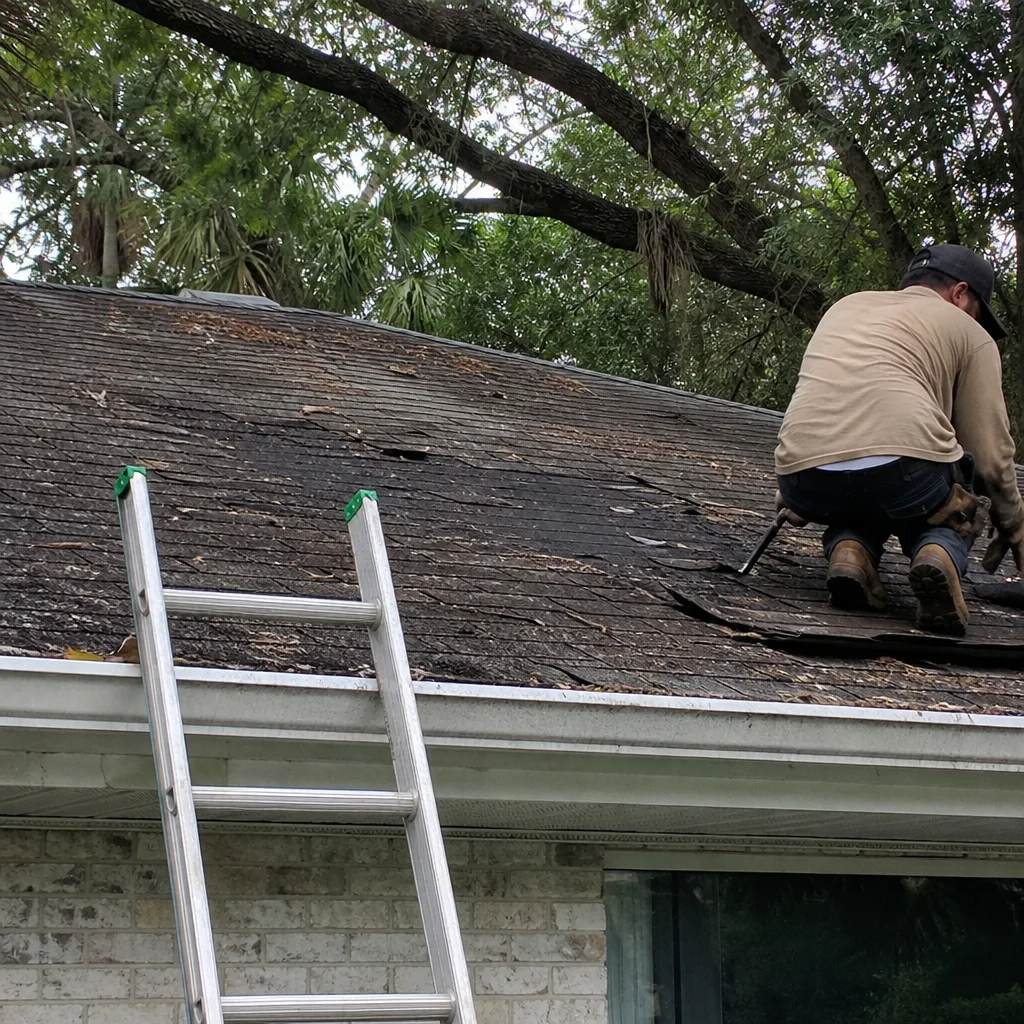 Before
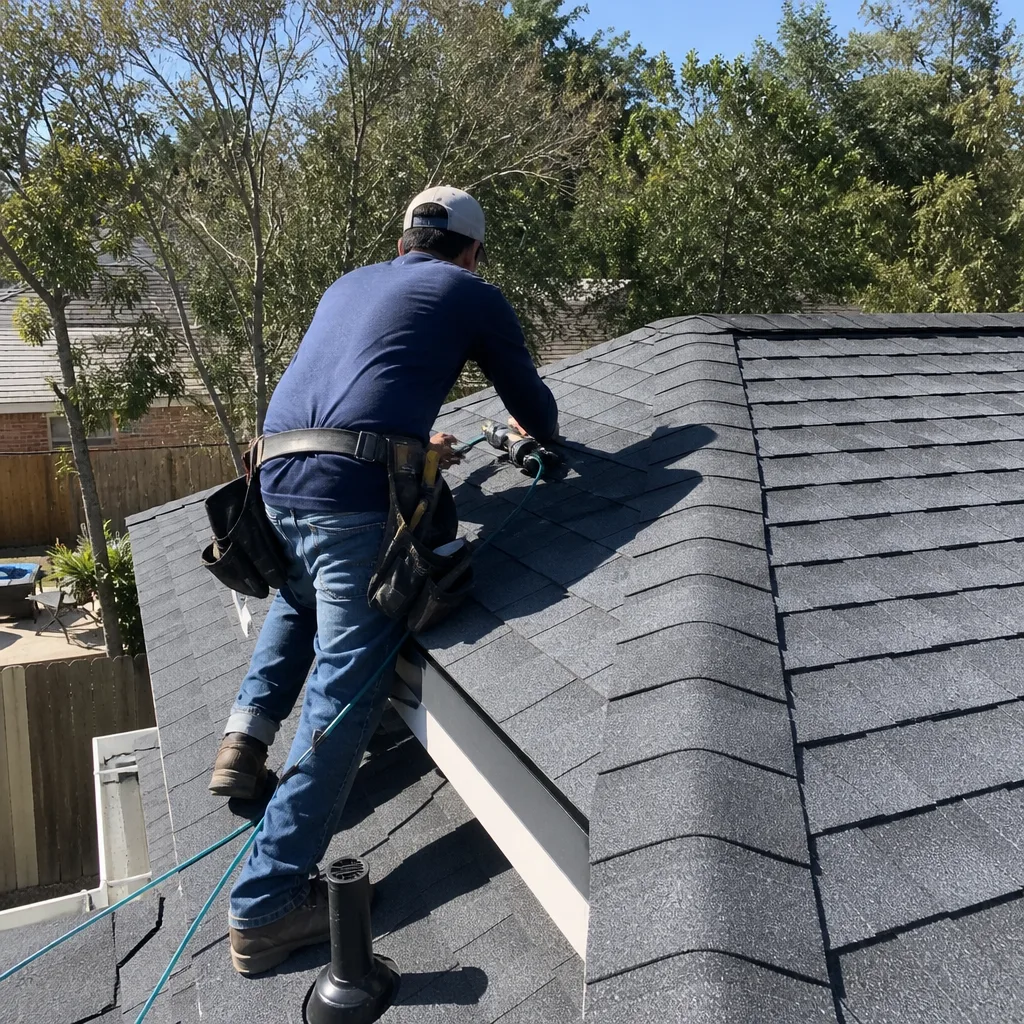 After
After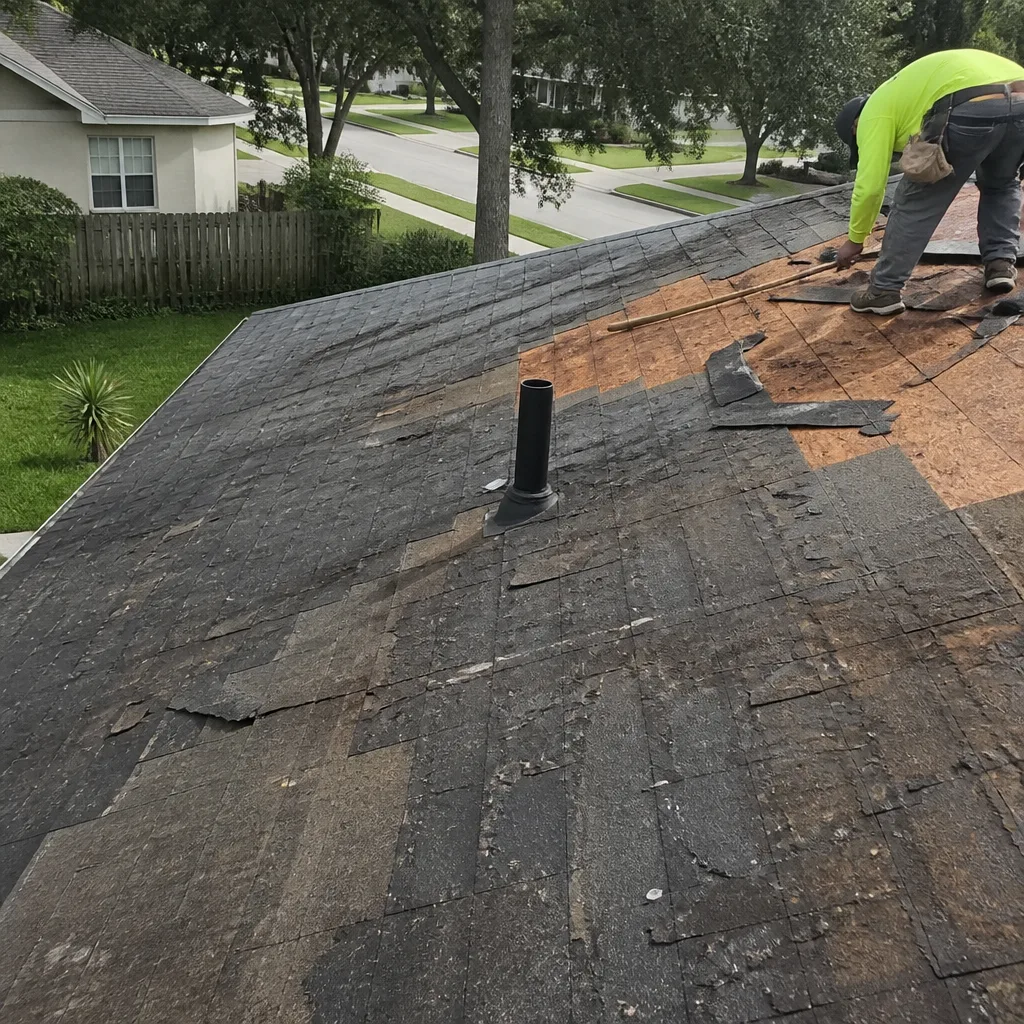 Before
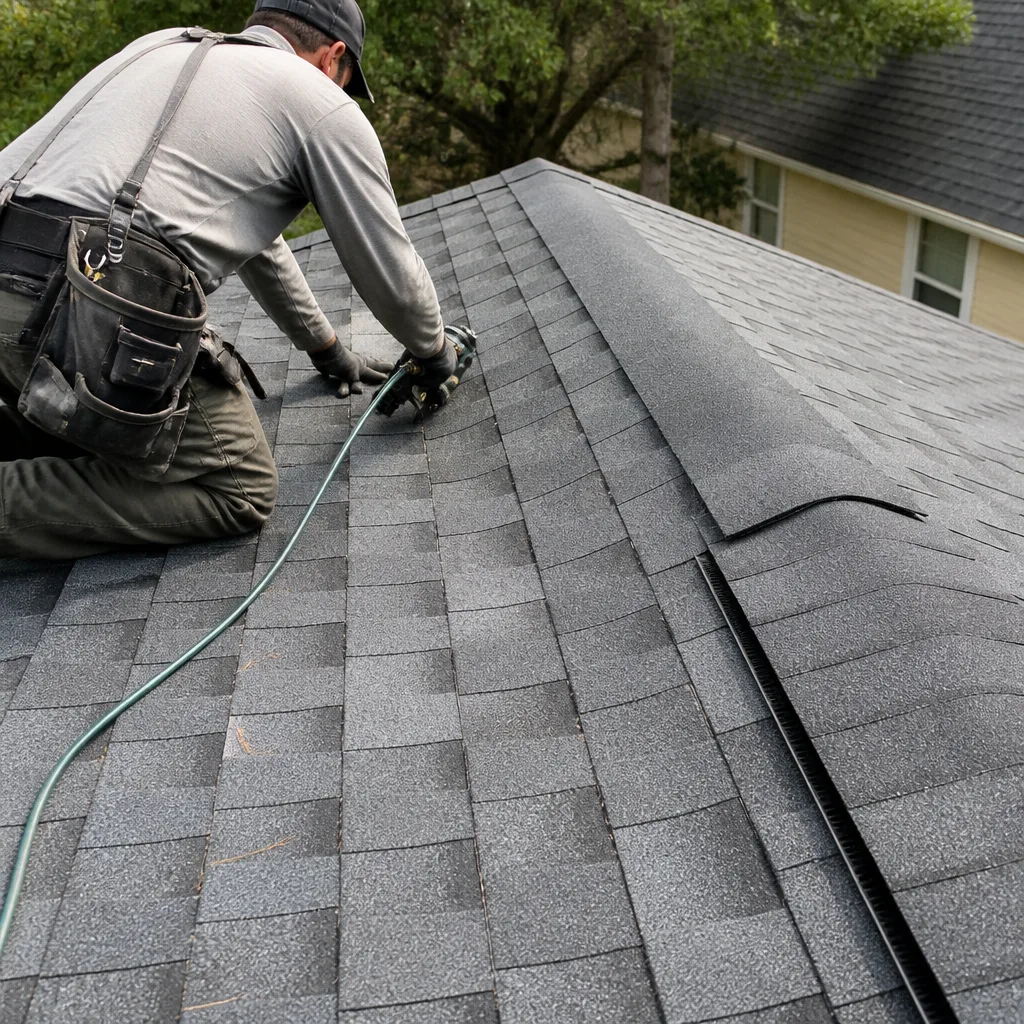 After
After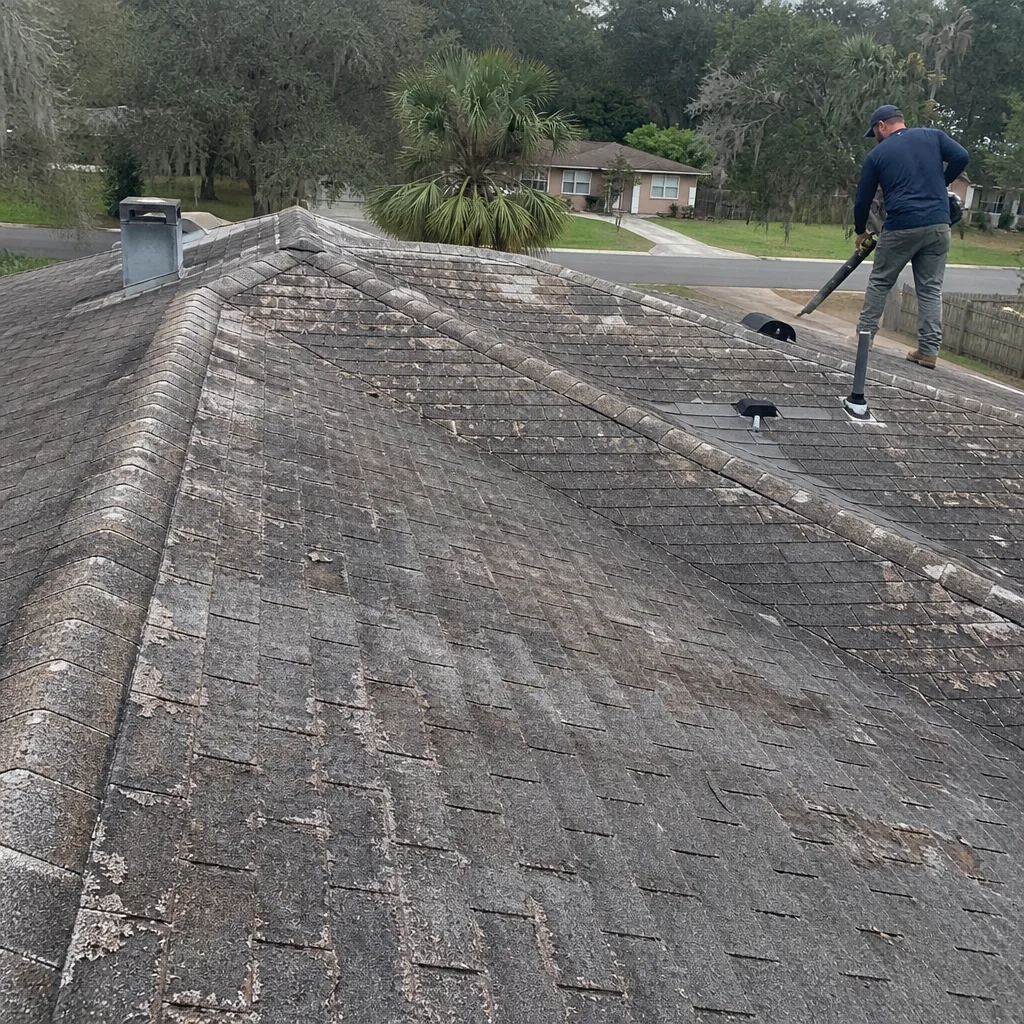 Before
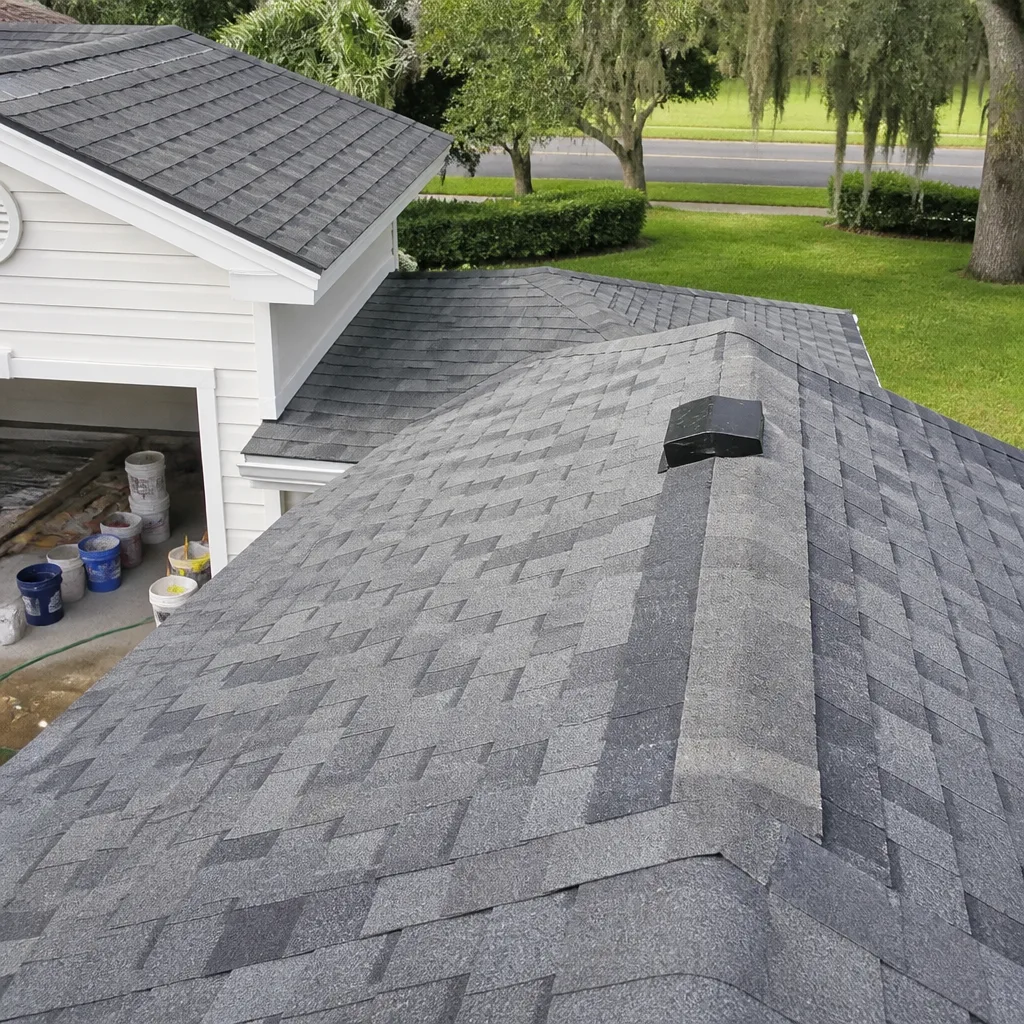 After
After