
Last updated October 17, 2026
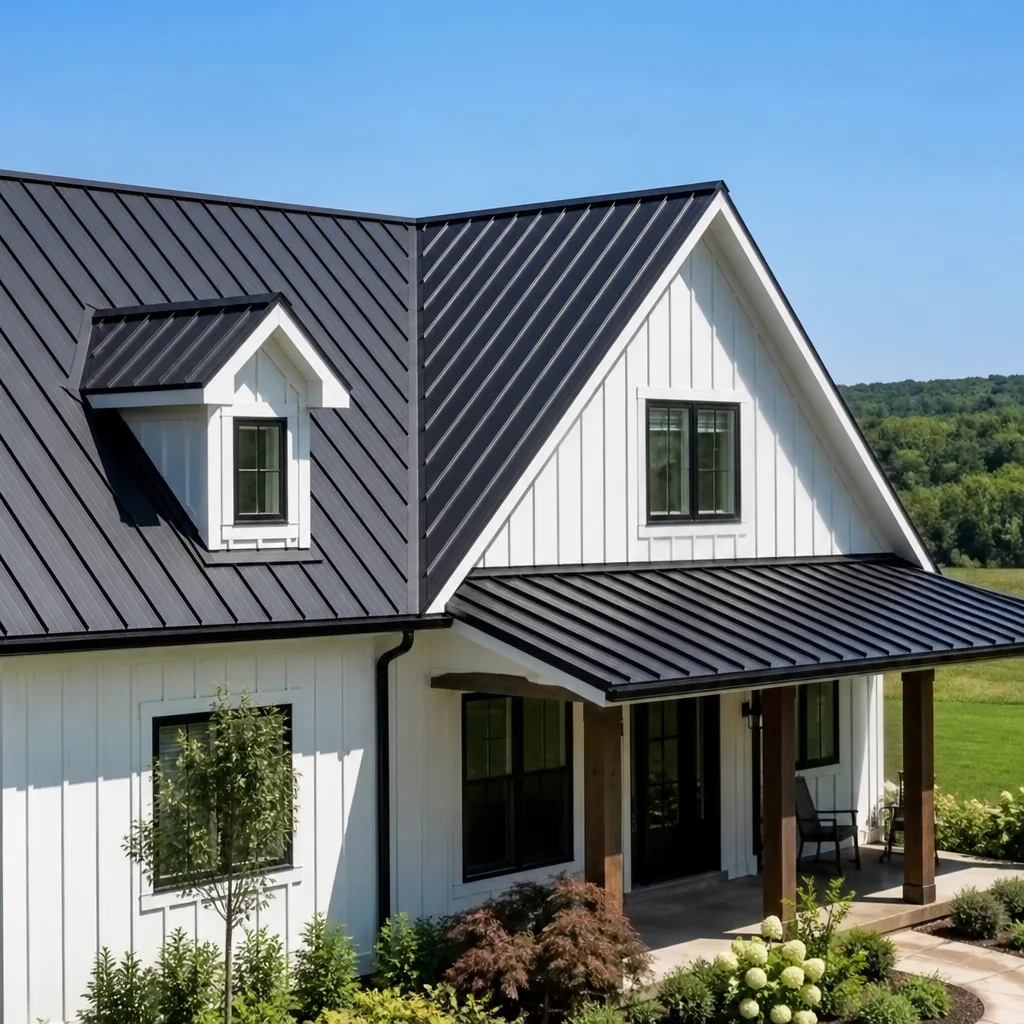 Metal roofing
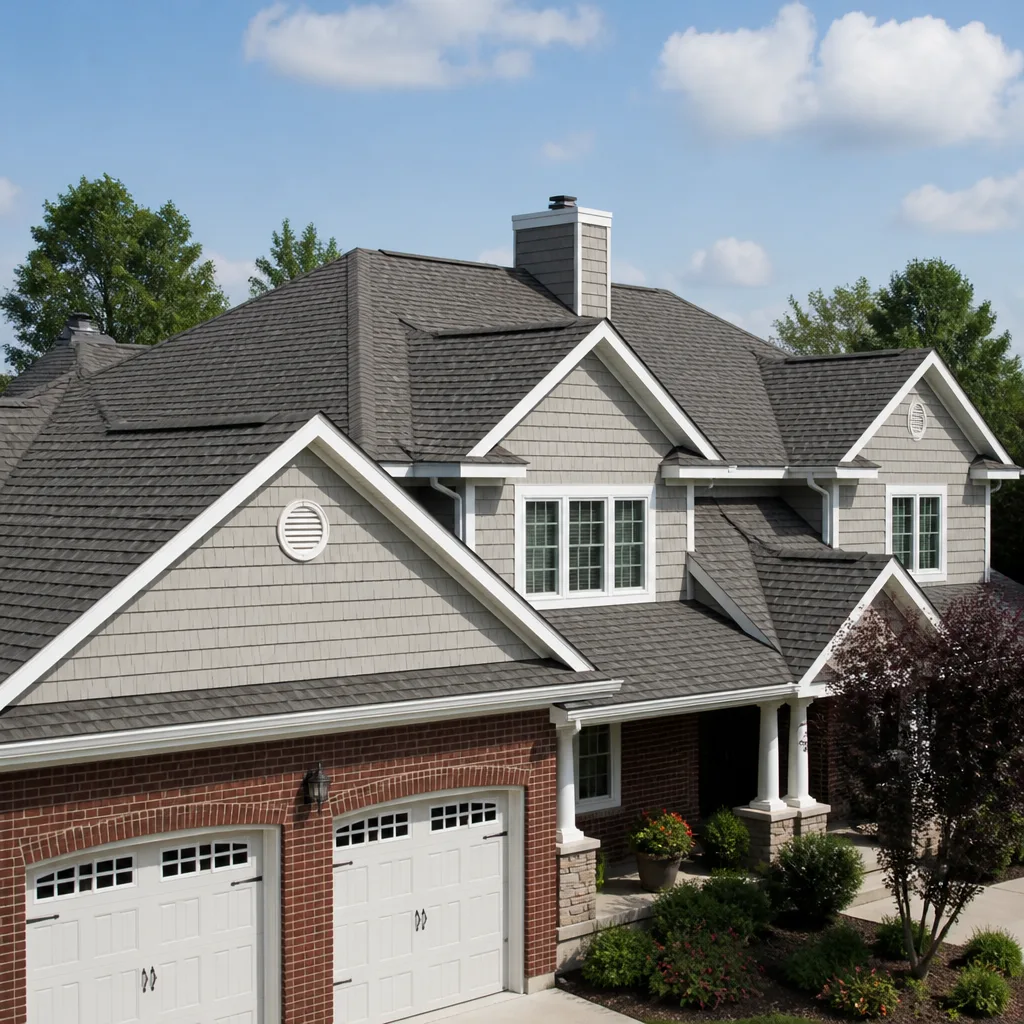 Architectural shingles
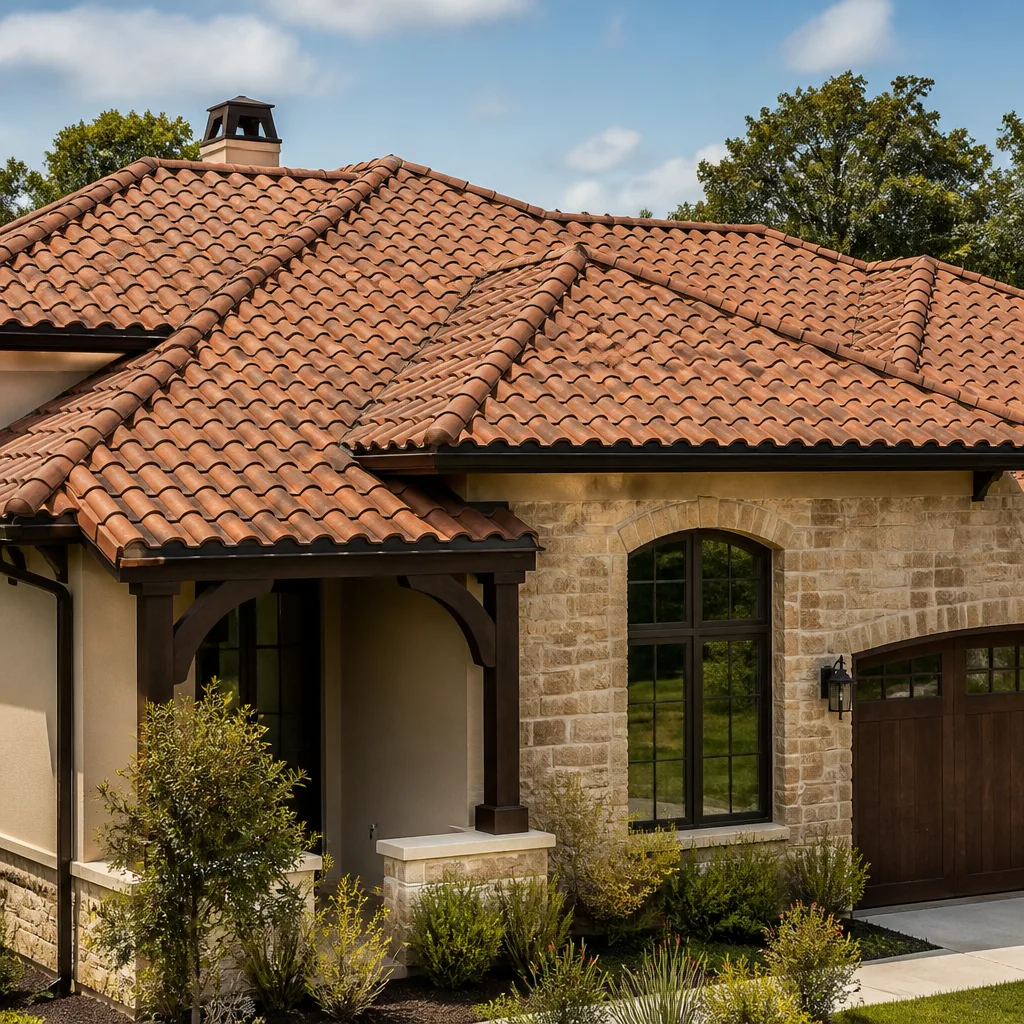 Tile roofing
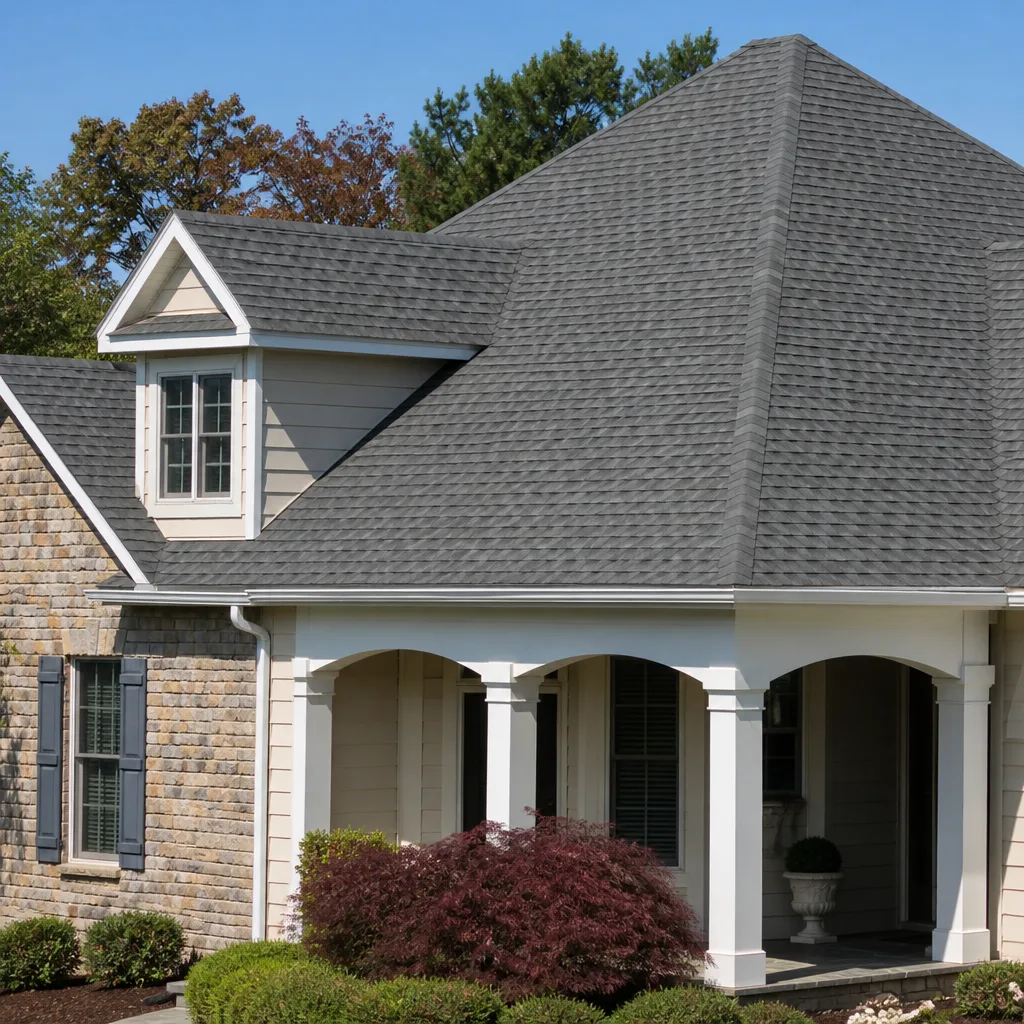 GAF
GAF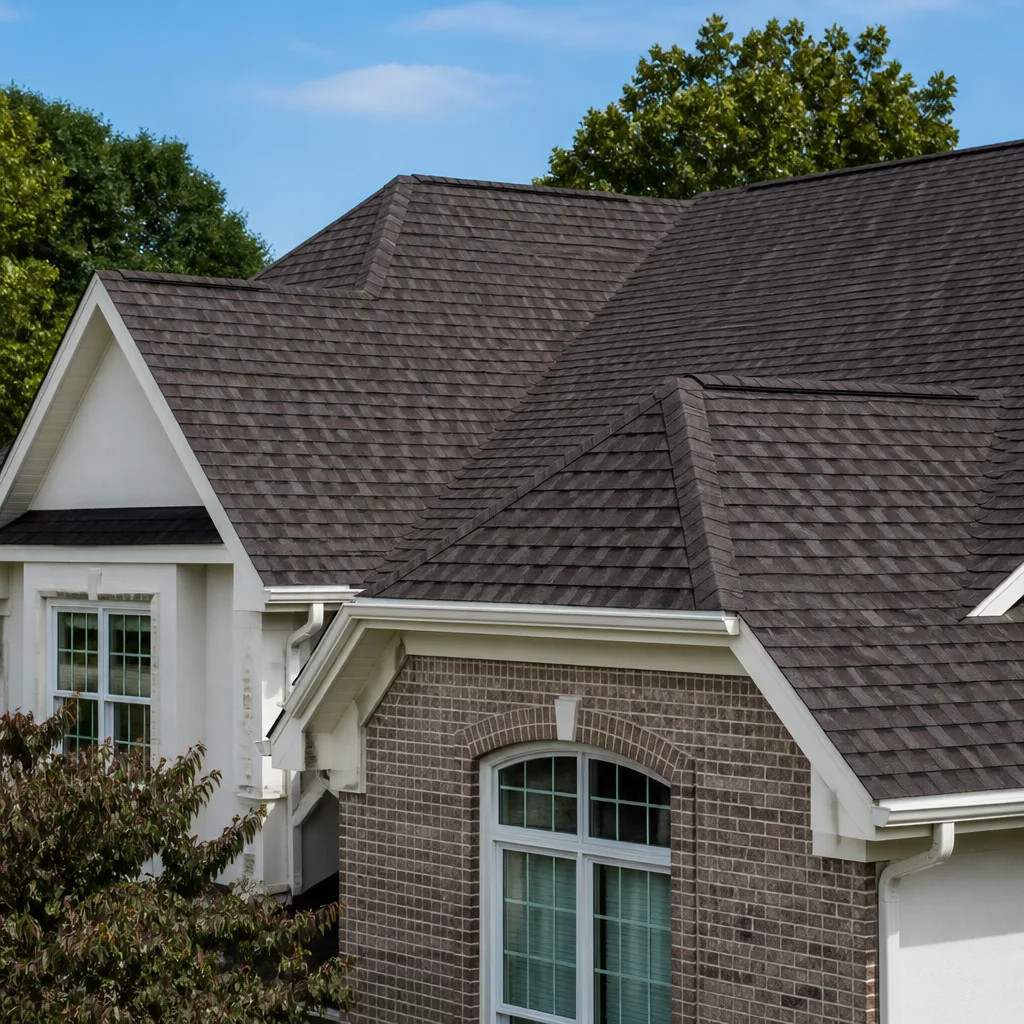 Owens Corning
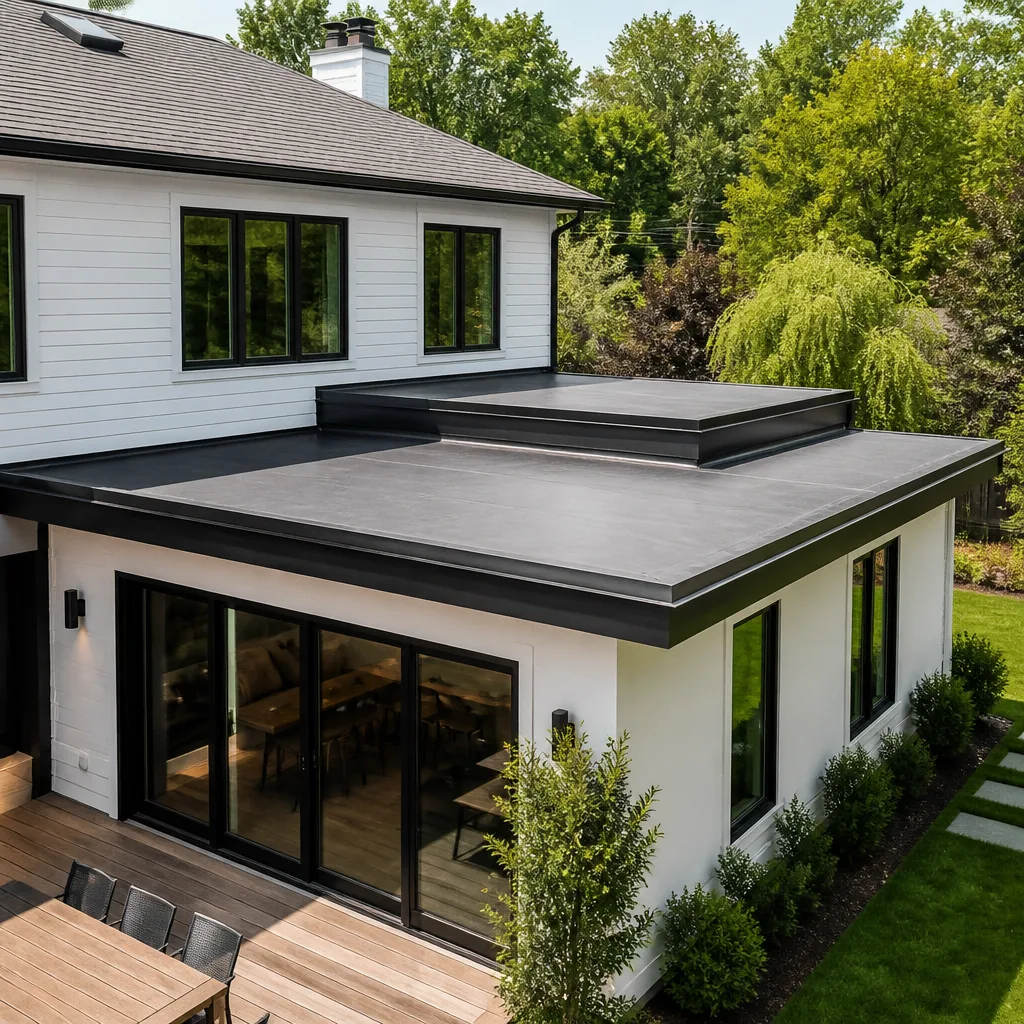 Flat & low-slope
Free roof inspection with deck photos before we talk money - GAF and Owens Corning certified installation
Roofing Warning Signs: A Jacksonville Homeowner’s Reference Guide
The most expensive roof failure in Jacksonville rarely starts with a leak. It starts with a 3-inch section of lifted flashing that lets humid air cycle through the decking for 18 months before any water appears on the ceiling. By then, the repair that would have cost $400 costs $4,000. This guide explains the warning signs that actually matter in Jacksonville, which ones you can see from the ground, which ones hide in the attic, and how to tell a structural problem from a cosmetic one before you spend money on either. For a deeper dive, see our Complete Guide to Roofing in Jacksonville.
Styles & brands we work with
Quick Answer
The roof warning signs Jacksonville homeowners should watch for are lifted drip edge at the eave ends, black algae streaking that signals aged underlayment, granule loss concentrated on western-facing slopes, soffit discoloration from condensation rather than leaks, and nail pops visible from the attic side of the decking. None of these requires getting on a ladder to spot; all of them show up before a leak does, and catching them early is what separates a $400 repair from a $4,000 one.
Table of Contents
- The Five Jacksonville Warning Signs Standard Guides Miss
- The 15-Minute Attic Inspection That Reveals More Than a Surface Walk
- Cosmetic vs. Structural: What Actually Needs Repair
- Insurance Documentation: Building a Paper Trail Before a Storm
- The Compounding Timeline: How Long Each Warning Sign Takes to Turn Structural
- Common Mistakes to Avoid
- When to Call a Professional
- Frequently Asked Questions
- The Bottom Line
The Five Jacksonville Warning Signs Standard Guides Miss
Most roofing checklists online are written for a national audience. They tell you to look for missing shingles and water stains on the ceiling. Those are real signs, but by the time you see them, the problem has already been running for months. In Jacksonville, the climate produces a specific set of early-warning failures that show up before water ever touches your drywall. Here are the five we look for first when we assess a roof in this city.
1. Lifted Drip Edge from Thermal Cycling
Drip edge is the metal strip that runs along the eave and rake edges of your roof. It directs water into the gutter and away from the fascia board. In Jacksonville, daytime attic temperatures routinely push past 130 degrees in July, then drop into the 70s overnight. That swing makes the aluminum expand and contract every single day. Over six or seven summers, the nails holding the drip edge start to back out, and the metal lifts away from the decking by a quarter inch or more.
From the ground, you may see a slight wave along the edge of the roof where the line should be straight. Walk to the street and look along the eave line. If it is not a clean, continuous line, the drip edge has likely lifted somewhere. This matters because a lifted drip edge lets wind-driven rain get behind the gutter and onto the fascia, and it lets the first course of shingles flap in coastal storms. The fix is early and cheap: resecuring the drip edge and replacing the fasteners. The failure, if left alone, is fascia rot and, in the worst cases, water wicking up into the decking at the eave.
2. Black Algae Streaking That Signals Underlayment Age
The black streaks you see on Jacksonville roofs are almost always Gloeocapsa magma, the same algae that feeds on limestone filler in asphalt shingles across the Southeast. Algae itself does not destroy shingles, which is why most guides dismiss it as cosmetic. But there is a Jacksonville-specific reading of those streaks that most guides miss.
The algae takes hold fastest on shingles that have already lost granule coverage, because the limestone filler is exposed. If the streaking is faint and evenly spread, the shingles are probably doing their job still. If the streaking is dark black and thick, with a velvet-like texture, that means the granule layer is thin enough to expose the asphalt beneath. That is a wear signal, not a stain problem. And it should tell you the underlayment, which has been baking in Jacksonville heat for however long those shingles have been up, is closer to the end of its service life than the shingle color suggests from the curb. We often find roofs in Arlington and San Marco where the curb look says “ten years left” but the underlayment is already brittle and cracking.
3. Granule Loss Patterns Specific to Western-Facing Slopes
If you have a two-story house, look at the western-facing slope. In Jacksonville, the afternoon sun hits west-facing slopes hard from roughly noon until sunset, and it does so with high humidity and little cloud cover for much of the year. Shingles on that slope degrade faster than shingles on north-facing slopes, sometimes by a factor of two.
Check the gutter at the downspout on that side of the house. If you see a heavy accumulation of granules, dark and grit-like, that is normal wear. But if the granules appear in a consistent, heavy layer after every rain, and if the shingles on that slope look shiny or reflective when the sun hits them, the granule loss has accelerated past normal. Western-facing slopes commonly need repair or replacement three to five years before the rest of the roof in this market. A Roof Inspection in Jacksonville that notes the slope orientation and granule condition gives you that early warning in writing.
4. Soffit Discoloration from Condensation, Not Leaks
Brown or gray staining on the underside of your soffit usually gets diagnosed as a roof leak. In Jacksonville, the more common cause is condensation. When warm, humid attic air meets the cooler underside of the soffit in the morning, moisture condenses and soaks into the painted wood or vinyl. Over time, that repeated wetting leaves stains that look exactly like leak stains but are not.
The reason this matters is twofold. First, the fix is different. A condensation problem is a ventilation problem, and the fix is more intake and exhaust airflow. A leak is a roofing problem, and the fix is a repair at the specific penetration point. Second, it changes the urgency. A condensation stain does not mean your roof is failing, but it does mean your attic is holding moisture, which accelerates decking rot and mold in Jacksonville’s already humid environment. If you see soffit staining, press a moisture meter into the soffit material if you have one. If it reads dry on a sunny afternoon, the cause is almost certainly condensation, not water intrusion.
5. Nail-Pop Patterns Visible from the Attic
This is the warning sign that standard guides never mention, because it requires looking at the underside of the roof deck. When a nail backs out of the decking, the shingle above it loses its hold. From outside, the shingle may still look fine. From inside the attic, you can see the nail sticking proud of the deck or a slight dimple where the nail has moved.
What to look for is a pattern. One nail pop is a nothing event. But a line of nail pops running along a single rafter, or a cluster near the ridge, tells you the roof has been flexing under wind load, and the fasteners are failing systematically. Jacksonville gets enough named-storm wind and afternoon thunderstorm gusting that nail-pop patterns like this are a genuine structural early warning. A roof with systematic nail pops is a roof that will lose shingles in the next strong storm. Document what you see with photos, then get a professional assessment before the next June-to-November hurricane season pressure test.
The 15-Minute Attic Inspection That Reveals More Than a Surface Walk
You do not need to get on a ladder to perform the highest-value roof inspection available to a Jacksonville homeowner. You need a flashlight, a camera or phone, and access to the attic. The attic tells you what the roof surface is actually doing, because it shows you the underside of the decking and the condition of the fasteners and ventilation. Here is a 15-minute procedure you can run yourself, in order.
- Start at the ridge from inside. Stand in the center of the attic where you can see the peak. Shine the flashlight along the ridge line. Look for dark staining, sagging decking between rafters, or visible daylight at the peak. Any of those three means water has been entering at the ridge cap or the ridge vent. In Jacksonville, ridge leak patterns often show up as a long dark line on the underside of the decking running parallel to the peak, rather than a single stain.
- Move to the eave ends. The four corners of the attic, where the roof meets the exterior walls at the low end, are the most common failure points in Jacksonville homes with ventilated attics. Look for crushed or blocked soffit vents, which cause condensation, and for staining at the top plate where the wall and roof deck meet. If you see rust on the nails at the eave, water has been wicking in at the drip edge.
- Check every penetration. Every pipe boot, exhaust fan, plumbing vent, and chimney chase that passes through the roof deck is a potential entry point. From the attic, you can see the underside of each. Look for water stains radiating outward from the penetration, black mold on the decking around it, or cracked caulk or sealant visible from below. Jacksonville’s high humidity means even a small penetration leak feeds mold quickly, and the first sign is often a faint gray-green bloom on the underside of the decking.
- Scan the decking for nail pops. As covered above, look for nails standing proud of the decking or dimpled areas where nails have moved. Note whether they appear as isolated points or in patterns.
- Photograph everything. Even if you find nothing, photograph the ridge, the four eave corners, and each penetration. Store the photos with the date. Those photos become your baseline, and they are precisely what an insurance adjuster wants to see when you file a claim six months from now.
This is not a substitute for a professional inspection. A trained Roofing Company in Jacksonville walks the surface, tests the sealant at the flashings, and measures ventilation airflow in a way you cannot from inside. But the attic inspection tells you whether you need that visit at all, and it gives you the photographic record to make that call yourself.
Cosmetic vs. Structural: What Actually Needs Repair
There is a whole category of roof conditions that look unsettling to a homeowner but do not demand repair. Knowing the difference between cosmetic and structural saves you money, and it protects you from the roofer who wants to sell a $6,000 “repair” for a condition that will never leak. Here is the honest read on the most common ones in Jacksonville.
Cosmetic Conditions: Monitor, Do Not Repair
- Uniform algae streaking on a roof under 10 years old. Algae itself does not eat shingles, and if the granule layer underneath is intact, the streaks are a cosmetic concern. You can have the roof soft-washed, which removes the algae, or you can leave it alone. Neither affects function. If the streaking is thick and black, refer back to the earlier section.
- Light mineral staining from tannins or hard water runoff. Brownish staining near roof valleys is often just tannins from oak leaves or mineral deposits from sprinkler overspray. It does not indicate active water intrusion. Clean it if it bothers you; do not pay for a “stain repair.”
- Faded shingle color. Color fade is uniform granule thinning, not failure. When the granule loss is uniform across the slope, the shingles are still shedding water fine. The concern is uneven granule loss, particularly on one slope or one section.
Structural Conditions: Repair Promptly
- Lifted or curled shingle tabs, especially at the rake edges. Once shingles curl, wind can get under them and tear them off in the next thunderstorm. Curled tabs are not a future problem; they are a current one.
- Open or torn flashing at any penetration. Flashing is the metal that protects the places where the roof surface changes or gets interrupted: chimneys, skylights, vent pipes, valleys. When flashing separates from the roof surface, water has a direct path into the house. Flashing damage is always structural.
- Soft decking, visible from the attic. Press the decking with your hand from inside. If it gives or feels spongy, the wood has already absorbed water and begun to rot. That is a structural failure, not a cosmetic one. It requires decking replacement at that section, not a surface patch.
- Nail-pop patterns. As covered in the first section, systematic nail pops mean the fastening system is failing under wind load. That is a structural condition that gets worse with every named storm that passes.
The honest line is this: if the condition affects water shedding, wind resistance, or the load-bearing deck, it is structural. If it only affects how the roof looks, document it, watch it, and do not let anyone sell you an emergency repair for it.
Insurance Documentation: Building a Paper Trail Before a Storm
Jacksonville homeowners live in a market where insurance claims after wind events are a part of ownership. The homeowners who get claims approved without a fight are usually the ones who documented their roof condition before the storm. Adjusters work from evidence, and the strongest evidence is a dated photographic record showing the roof was sound, or showing specific pre-existing conditions that the storm then worsened.
Here is the documentation protocol we recommend to every homeowner in Northeast Florida.
- Photograph the roof surface from the ground quarterly. Walk the perimeter of the house at the same time of day, in the same weather, once every three months. Shoot the same angles: straight-on from each side, the ridge line from the street, and close shots of each visible penetration. Date-stamp the photos or save them in a folder with the date.
- Photograph the attic monthly during hurricane season. June through November, do the 15-minute attic inspection once a month and photograph everything: ridge, eaves, penetrations, decking. The attic record is what proves whether water intrusion happened during a storm or whether it predates it.
- Write down the date and condition in a notebook or a notes app. A simple entry like “September 12, ridge line clean, no staining, no nail movement” takes 30 seconds and becomes a dated record. Adjusters respect contemporaneous notes more than any claim you make six months later.
- Keep every contractor invoice and inspection report. If you had a Roof Repair in Jacksonville done, keep the invoice. If you had an inspection, keep the report. These documents establish the roof’s condition at a point in time, and they are what the adjuster will cross-reference.
- After a storm, document before calling anyone. Within 24 hours of heavy weather, photograph the roof surface again from the same angles. The comparison set is what supports a claim that the roof was damaged during that event. If there is visible damage, put a tarp on it only if it is safe to do so, then call your insurer and a roofer in that order.
This record-keeping habit costs you nothing and changes the insurance conversation entirely. Instead of asking an adjuster to trust your memory, you hand them a dated sequence of photographs. That is the difference between a claim that gets paid and one that gets denied for “pre-existing condition.”
The Compounding Timeline: How Long Each Warning Sign Takes to Turn Structural
Not every warning sign is an emergency. Some have years of runway. Knowing the realistic timeline for each condition under Jacksonville conditions lets you plan repairs on your schedule instead of a contractor’s. Here is what we see, based on the failure progression patterns we track across the city.
| Warning Sign | Time to Structural Damage (Jacksonville Conditions) | Key Accelerant |
|---|---|---|
| Lifted drip edge | 18 to 36 months | Storm-driven rain; repeated thermal cycling |
| Thick black algae streaking | Varies; signals granule loss already underway | Trapped roof moisture; shade cover |
| Granule loss on western slope | 24 to 48 months to exposed asphalt | Unshaded afternoon sun |
| Soffit condensation staining | Indirect; accelerates decking rot if ventilation unfixed | High attic humidity; blocked soffit vents |
| Nail-pop patterns | Immediate risk in next high-wind event | Wind load; roof flex |
| Curled shingle tabs at rake edges | Immediate risk in next thunderstorm | Wind; age |
| Soft decking (from attic) | Already structural | Long-term water intrusion |
The pattern to notice is the asymmetry. Some conditions give you two or three years to act, and some put you one thunderstorm away from water in the living room. The roofers who treat every condition as urgent are doing you no favors. The honest approach is to tell you which is which, then let you decide. That is how we run Brennan Roofing Co Jacksonville home estimates: the condition assessment comes first, the price comes second, and the urgency call is always explained, never implied.
Common Mistakes to Avoid
- Calling a roofer only after water appears on the ceiling. By the time water shows on drywall, the leak has been running through the decking for weeks or months. The repair is always more expensive at that stage. Catch the sign in the attic and you catch the problem early.
- Trusting a surface-only inspection. A roofer who never goes into the attic has missed the highest-information part of the house. In Jacksonville, where condensation problems and nail-pop patterns hide from the surface, an attic visit is non-negotiable.
- Buying a “tune-up” for $99 without a written condition report. Some contractors use cheap inspections as a door-opener to sell repairs you may not need. Insist on a written report of what they found, with photos, before you approve any work.
- Letting cosmetic algae streaks frighten you into a $6,000 “urgent” repair. Algae on a sound roof is a cleaning issue. Know the difference between uniform streaking and thick black velvet streaking before you spend.
- Ignoring the western slope as a separate condition. In Jacksonville, the west side of the roof ages faster than the rest. Photograph it separately and watch it separately. Treating the whole roof as one uniform condition means you miss the slope that fails first.
- Not photographing your roof before hurricane season. The homeowners who lose insurance claims are the ones with no pre-storm evidence. Photograph your roof and attic now, before the next named storm forms.
- Hiring a roofer who cannot tell you what the guarantee covers, in writing. Verbal promises are not a warranty. Ask for the terms on paper, including what happens if the repair fails in the first year. If they will not write it down, find someone who will.
When to Call a Professional
Most of the warning signs in this guide can be identified and documented by a homeowner with a flashlight and a camera. But there are points where the next step genuinely requires a roofer on the surface. Call when you see soft decking from the attic, systematic nail pops, lifted flashing at any penetration, or any water stain that has appeared within the last 30 days. Those conditions require a physical assessment and, in most cases, a repair plan in writing. Brennan Roofing Co Jacksonville offers free estimates in Jacksonville – call (904) 719-6346 and we will send a background-checked, uniformed technician to assess the condition and put the price on paper before any work starts.
Walking a roof in Jacksonville carries real risks, especially on two-story homes and on steep pitch. The surface is hot, often slick with algae or morning dew, and a fall from even a single story is a life-changing event. We recommend leaving surface inspection to professionals who carry the right equipment and insurance. What you can do from the attic and the ground covers 80% of the early-warning value without the risk.
Frequently Asked Questions
In Jacksonville, a roof inspection typically ranges from $150 to $350 when billed as a standalone service, with the price varying by roof size, pitch, and whether the inspector includes a written report with photos. At Brennan Roofing Co Jacksonville, the inspection is free when it is part of an estimate for repair or replacement work. Call (904) 719-6346 to schedule and we will confirm which applies to your situation.
The most common roof problems in Jacksonville are lifted drip edge from thermal cycling, granule loss on western-facing slopes, soffit condensation from attic ventilation problems, algae streaking that signals aged underlayment, and nail pops from wind load. These five conditions show up earlier than leaks do, and they are the ones we see most often on roofs in this market before any water appears inside the house.
Use this rule: if the condition affects water shedding, wind resistance, or the structural deck, it is serious; if it only affects appearance, it is cosmetic. Uniform algae streaking, light tannin staining, and faded color are cosmetic and can be monitored. Lifted flashing, curled shingle tabs, soft decking, and nail-pop patterns are structural and should be assessed by a Roofing Company in Jacksonville promptly.
Insurance typically covers roof repairs in Jacksonville only when the damage is sudden and accidental, such as wind, hail, or tree impact, and only if the roof was in reasonable condition before the event. Pre-existing wear, neglect, and aging are usually excluded, which is why the documentation protocol in this guide matters: a dated photographic record is the strongest evidence that damage was event-related rather than pre-existing.
In Jacksonville’s climate, a professional roof inspection once a year, plus a homeowner attic inspection every quarter, is the right cadence for most homes. Our Seasonal Roofing Care for Jacksonville: Year-Round Homeowner’s Guide breaks down what to focus on each season. The annual inspection catches slow-developing conditions like granule loss and nail pops, while the quarterly attic check catches fast-developing ones like condensation staining and fresh water intrusion after storms. Coastal properties and homes with large overhangs may need twice-annual professional inspections.
Yes, and in fact the most valuable roof inspection you can do yourself is the 15-minute attic inspection described earlier in this guide: check the ridge, the eave corners, every penetration, and the decking for staining, nail pops, and daylight. From the ground, walk the perimeter and photograph the roof surface from each side. What you cannot do safely from the ground is inspect the flashings up close, test sealant, or walk the surface, which is where a professional comes in.
The Bottom Line
The roof warning signs that matter in Jacksonville are not the ones every generic guide lists. They are the ones this climate creates: lifted drip edge from thermal cycling, black algae that signals underlayment age, granule loss on western slopes, soffit staining from condensation, and nail pops that mean the fastening system is failing under wind load. Catch them in the attic and you are dealing with a repair. Wait until water shows on the ceiling and you are dealing with replacement decking, drywall work, and a four-figure invoice. Document your roof quarterly, know the difference between cosmetic and structural, and call for an assessment when the evidence says structural, not when the leak forces your hand. For more guides & resources, visit our blog.
Written by Travis Oakley, Owner at Brennan Roofing Co Jacksonville, serving Jacksonville since 2000.
See the difference
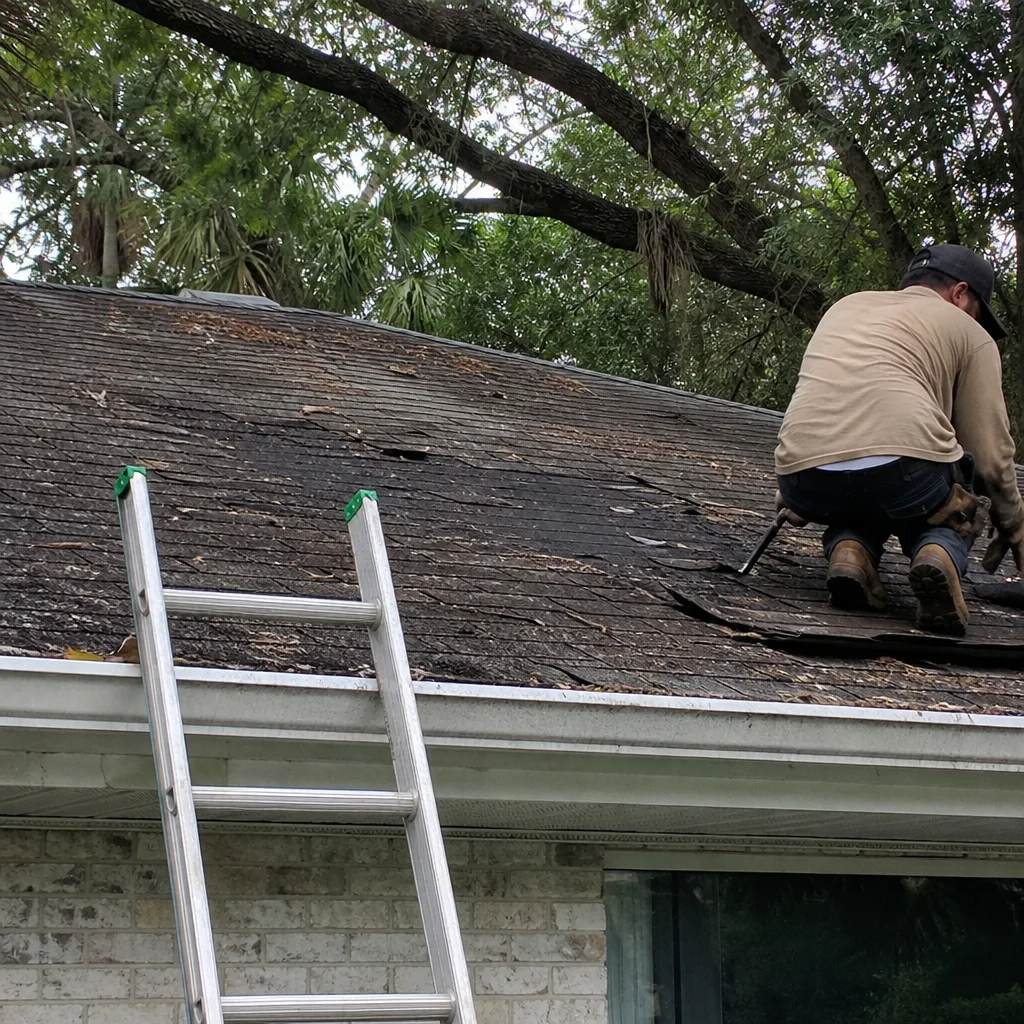 Before
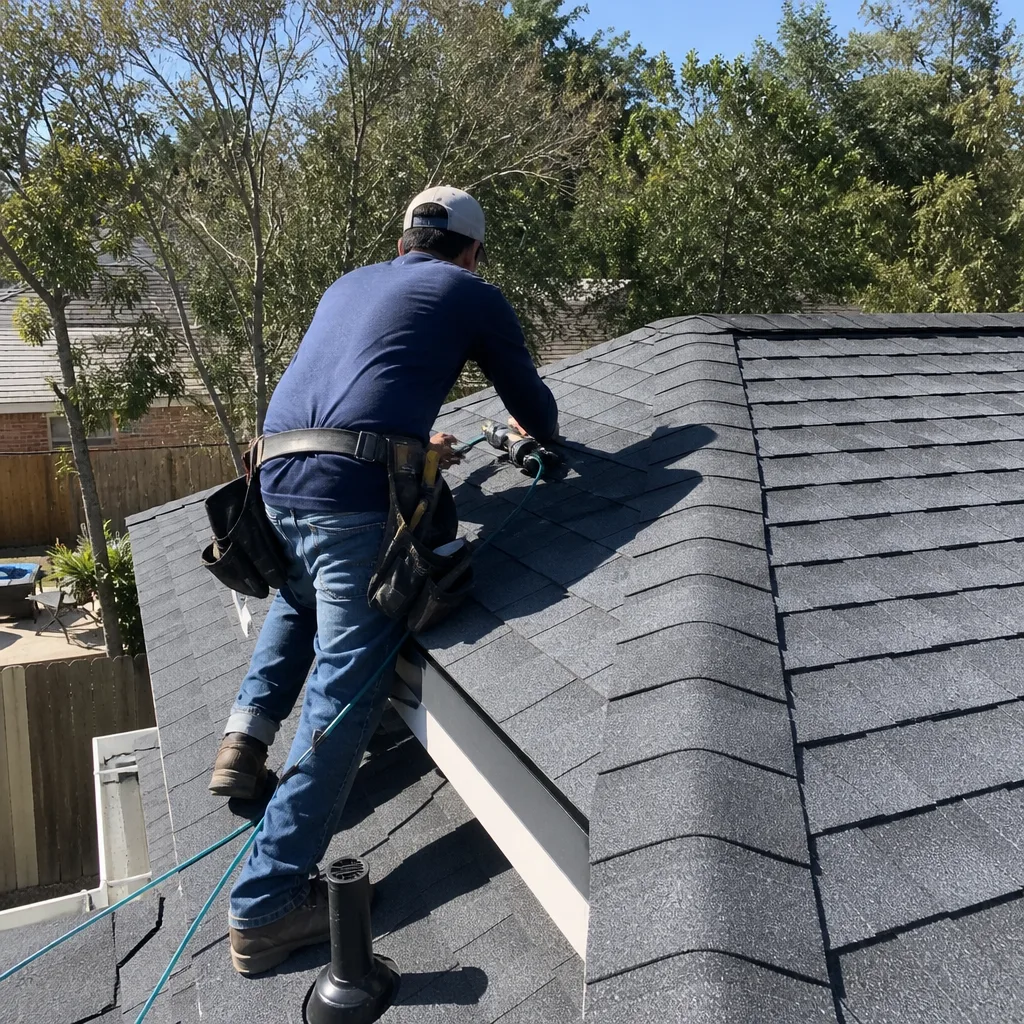 After
After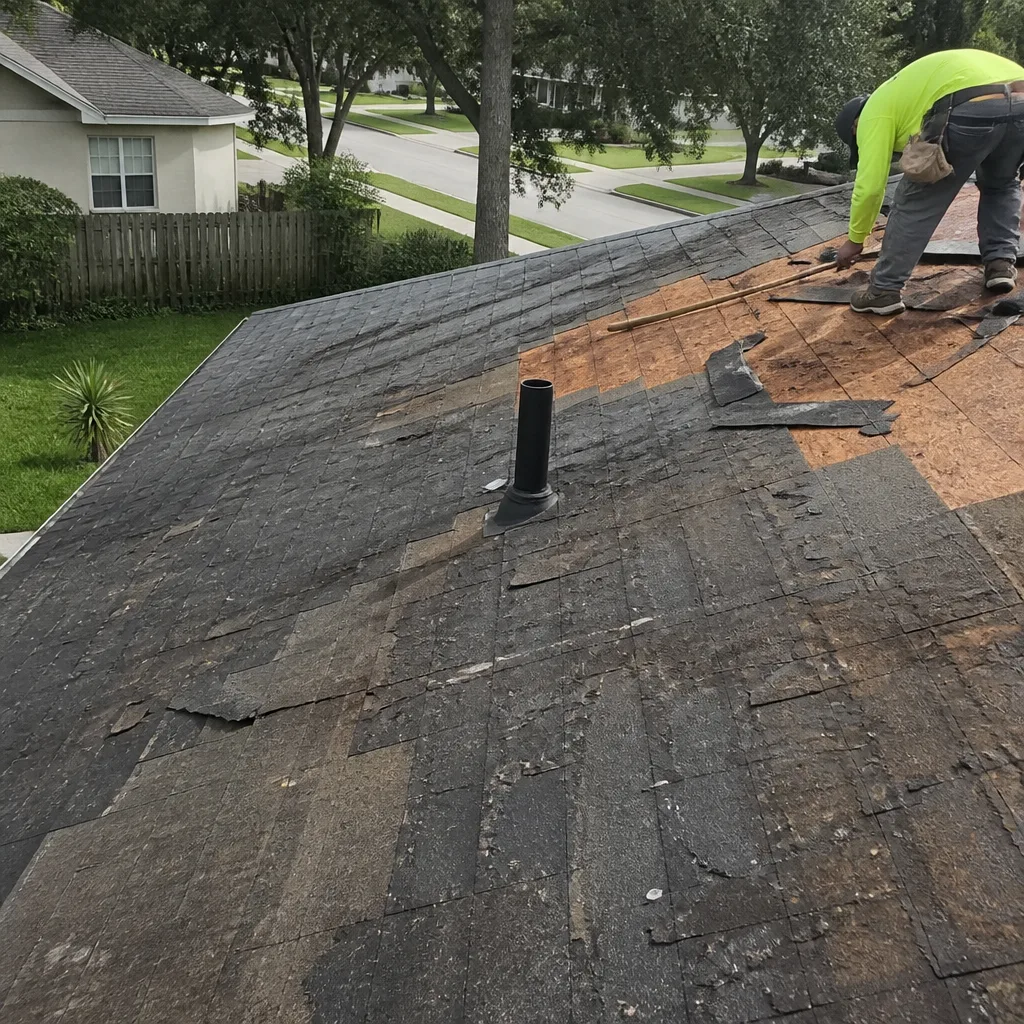 Before
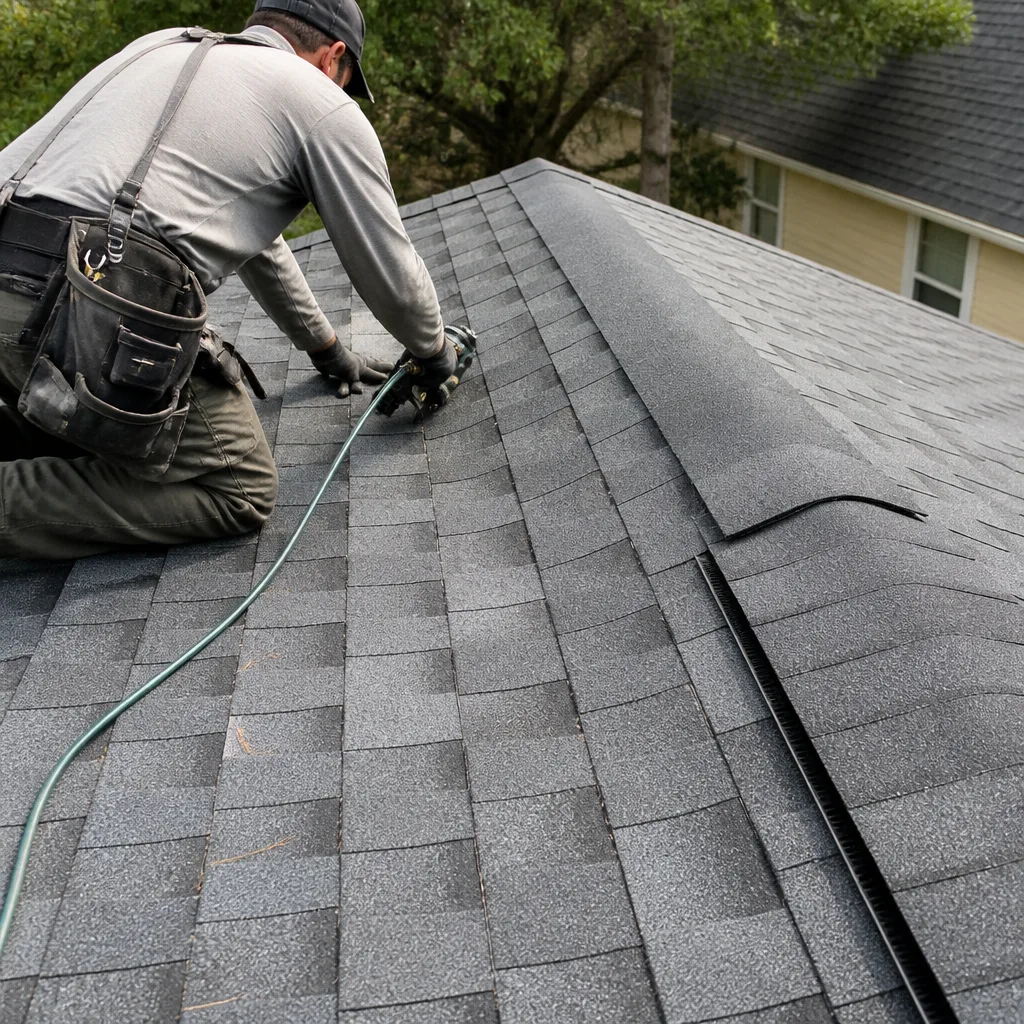 After
After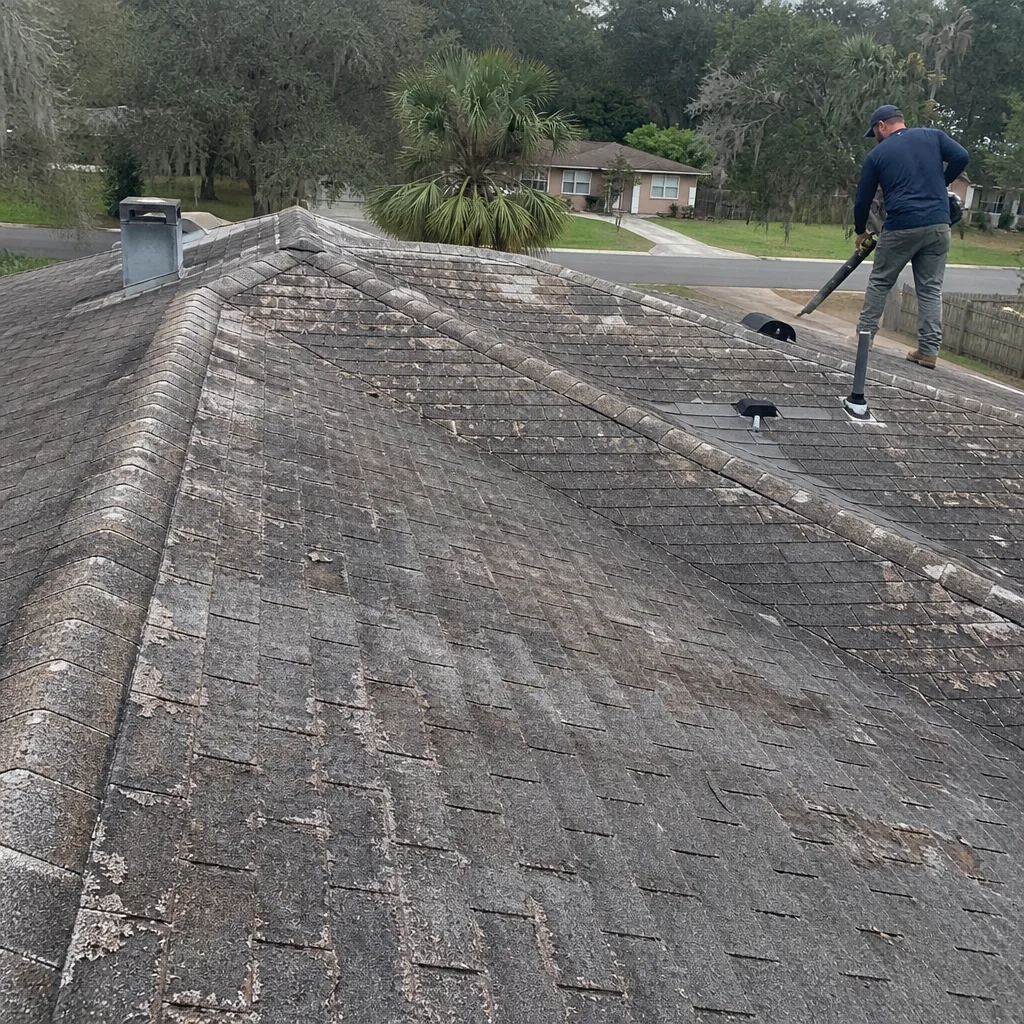 Before
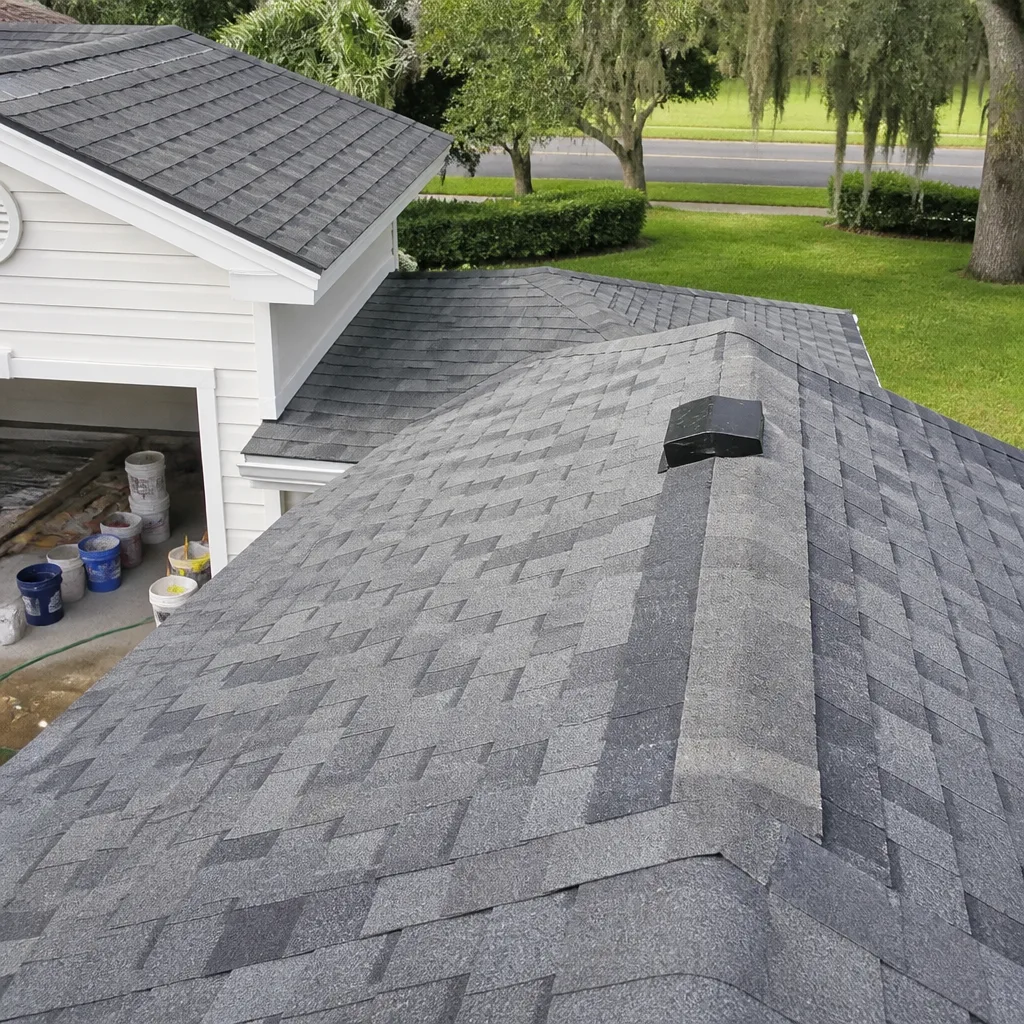 After
After