
Last updated October 17, 2026
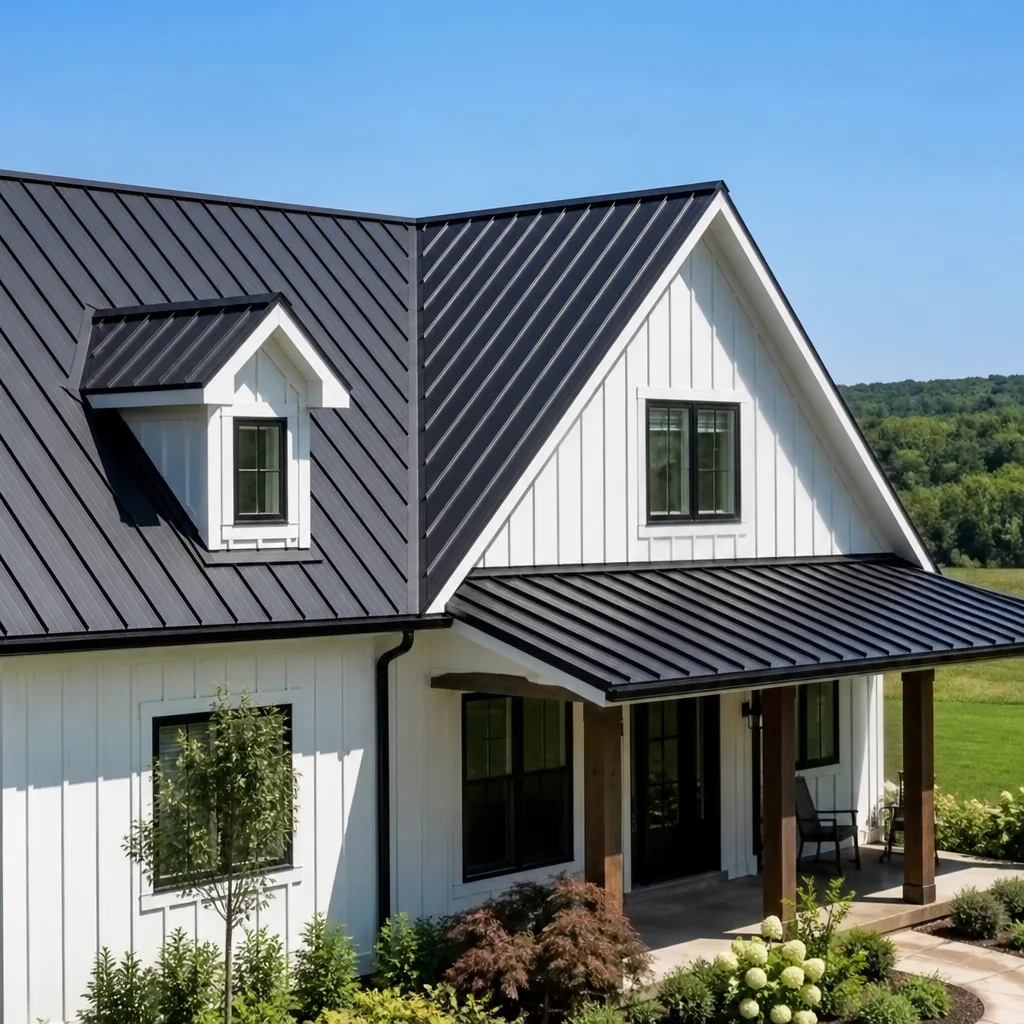 Metal roofing
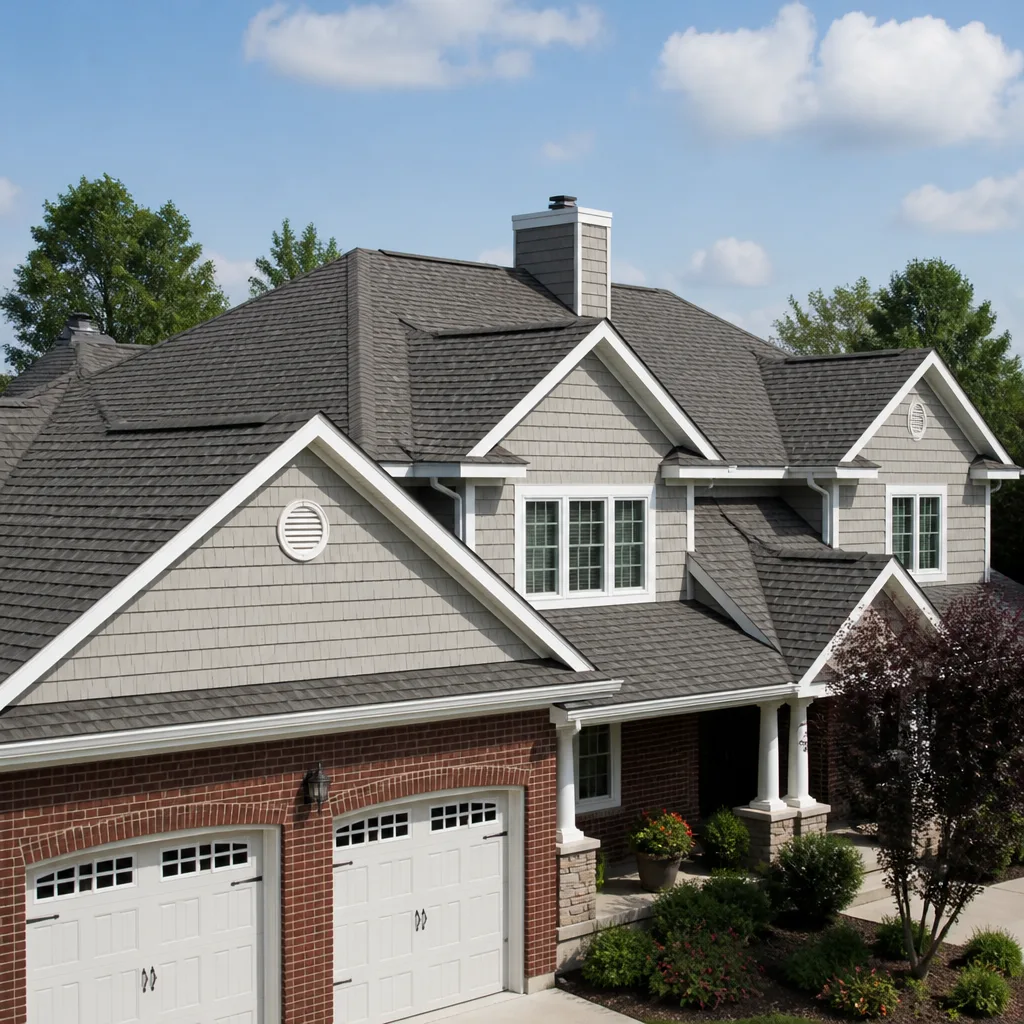 Architectural shingles
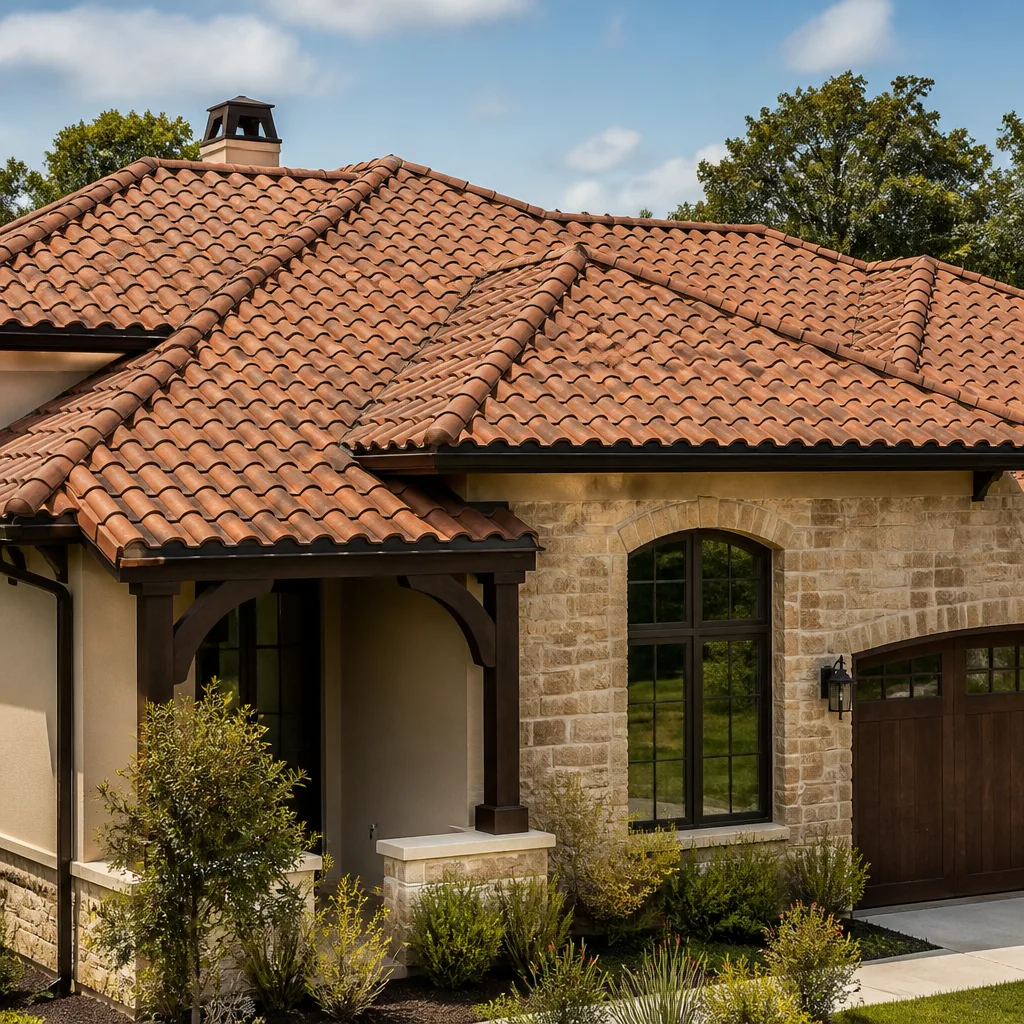 Tile roofing
 GAF
GAF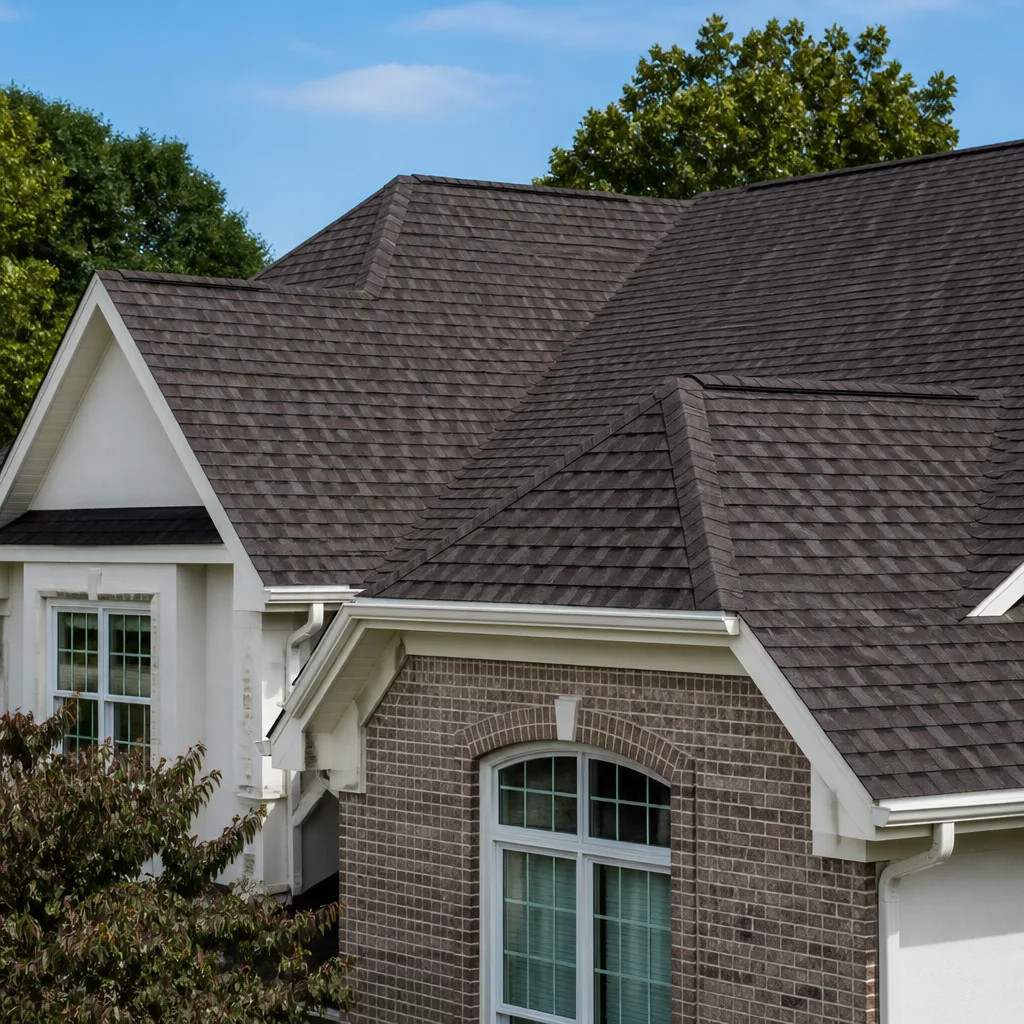 Owens Corning
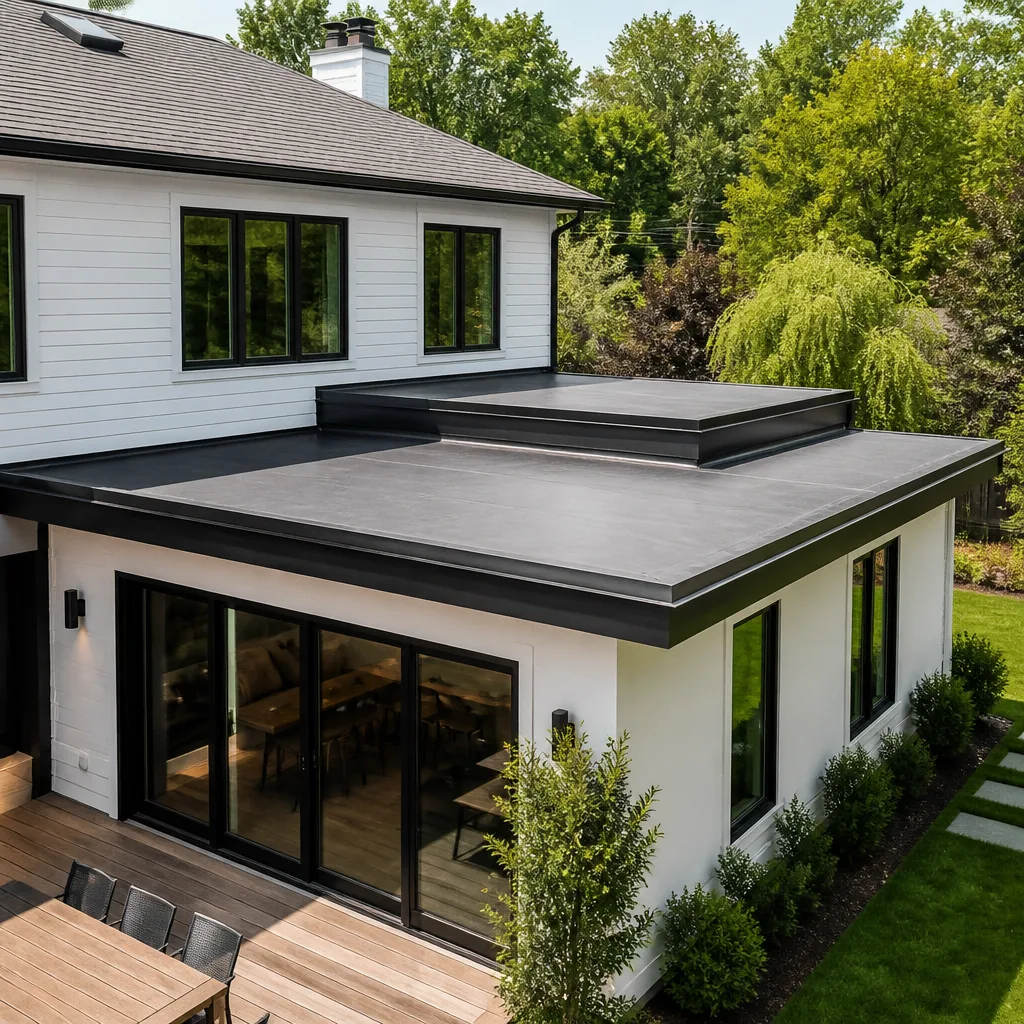 Flat & low-slope
Free roof inspection with deck photos before we talk money - GAF and Owens Corning certified installation
Seasonal Roofing Care for Jacksonville: Year-Round Homeowner’s Guide
Jacksonville’s “mild winters” are a trap for roofing neglect. December through February is the window when summer’s storm damage finishes its work quietly – wood decking continues to rot, compromised shingles curl further, and flashing that shifted in September seeps through the first cold rain. By the time a homeowner notices, the damage is twice as expensive. This guide lays out a year-round care plan built for Jacksonville’s actual climate: the Atlantic hurricane window and the high-humidity recovery period that follows it. For The Complete Guide to Roofing in Jacksonville and more guides & resources, see our blog. You’ll learn which tasks genuinely protect your roof and which are marketing noise.
Styles & brands we work with
Quick Answer
Roof care in Jacksonville FL runs on a two-season cycle, not four. Prep your roof in April and May before the Atlantic hurricane window opens, then do a detailed inspection during December through February when summer storm damage becomes visible from inside the attic. The most important free actions are gutter cleaning before June, post-storm photo documentation within 72 hours, and attic moisture checks after every heavy rain.
Table of Contents
- Why Jacksonville’s Climate Demands a Different Roofing Calendar
- The Pre-Hurricane Prep Window: April Through May
- Post-Storm Inspection Protocol for Jacksonville Homeowners
- The December Through February “Reveal Season” Tasks
- How Jacksonville’s Humidity Affects Roofing Differently
- Algae Streaking vs. Moss and Lichen: What Actually Matters
- The 12-Month Roof Care Timeline for Jacksonville
- Common Mistakes to Avoid
- When to Call a Professional
- Frequently Asked Questions
- The Bottom Line
Why Jacksonville’s Climate Demands a Different Roofing Calendar
Most roofing guides are written for markets with real winters – places where ice dams, snow load, and freeze-thaw cycling are the dominant concerns. Jacksonville doesn’t play by those rules. Our climate is driven by two forces: the Atlantic hurricane season, which runs June through November, and a subtropical humidity profile that never really lets up. The result is that roofing damage here doesn’t announce itself the way it does up north. It accumulates.
We’ve worked roofs in Arlington, Mandarin, Riverside, and out toward the Beaches. The pattern is consistent. A shingle lifted in a September squall doesn’t leak that day. It leaks in January, when a cold front pushes rain sideways against the same compromised edge. That lag between cause and visible effect is what makes Jacksonville roof care different. You can’t wait for a leak to tell you something’s wrong. By then, the decking underneath has been wet for weeks.
The annual rainfall in Jacksonville averages around 50 inches, and much of it arrives in concentrated bursts during afternoon thunderstorms between June and September. Those storms carry wind gusts that test flashing, ridge caps, and any shingle that was already nearing the end of its service life. The months that follow – October through February – are drier but more humid at ground level. That’s when trapped moisture does its slow work on wood decking and underlayment. A year-round plan has to account for both pressure points.
Jacksonville also sits in a wind-borne debris region under Florida building code. Roofs installed after 2007 are generally built to a higher wind standard than older homes. But an older roof in neighborhoods like Avondale or San Marco was often nailed, not sealed, and it’s those roofs that fail first when a tropical system clips the coast. Knowing which category your roof falls into is the starting point for any seasonal plan.
The Pre-Hurricane Prep Window: April Through May
The weeks between mid-April and late May are the most consequential of the year for a Jacksonville roof. This is the window to harden your roof before the Atlantic hurricane season opens on June 1. It’s also the window when roofing contractors in Jacksonville are busiest – which means it’s exactly when you should be skeptical of any company that offers a “free spring checkup” with no written findings attached. See How to Hire a Roofing Contractor in Jacksonville: A Step-by-Step Guide for vetting tips. A real pre-hurricane assessment produces a written list of specific conditions, not a smile and a handshake.
There are four tasks that genuinely reduce storm damage risk in Jacksonville, and then there are tasks that mostly fill a contractor’s spring calendar. The genuine list:
- Gutter and downspout clearing. A clogged gutter turns a routine afternoon thunderstorm into a waterfall running behind your fascia board. In Jacksonville, live oak debris and pine needles are the main culprits. Clear them in April and again in late October, after leaf drop.
- Flashing inspection at penetrations. Pipe boots, chimney flashing, and valley metal are the most common failure points during wind-driven rain. A visual check from the ground or a ladder can spot lifted or separated flashing before a storm does.
- Shingle sealing check. Asphalt shingles have a heat-activated sealant strip. If a shingle’s seal never activated because it was installed in cooler weather, wind will find it. A quick lift test on a few shingles tells you whether seals are holding.
- Loose debris removal from valleys and behind chimneys. Debris in valleys forces water sideways instead of down, and that’s how interior leaks start during heavy rain.
The marketing noise tasks? Power washing an asphalt shingle roof is near the top. It strips granules and shortens the roof’s life. “Tune-up” packages that include caulking random gaps without a written inspection report are another. If a contractor won’t put findings on paper, the visit isn’t a prep – it’s a sales call.
Brennan Roofing approaches the prep window differently. Every visit starts with a written inspection report and a written price before any work begins. If we recommend a repair, the number goes on paper first and it doesn’t move at the door. That’s the Roof Inspection in Jacksonville service we run year-round, and it’s the most useful document a homeowner can have heading into hurricane season.
Post-Storm Inspection Protocol for Jacksonville Homeowners
The 72 hours after a storm passes are the most important window for documentation. Insurance adjusters in Florida process thousands of claims after a named storm, and the homeowners who get clean settlements are the ones who document damage the same way an adjuster would. Here is the sequence that actually works.
- Photograph everything before you touch anything. Start with wide shots of the entire roof from each corner of the property, then move to close-ups of any visible damage: lifted shingles, missing tabs, debris impact points, shifted flashing. A phone camera is fine. Just shoot more than you think you need.
- Document the interior the same day. Ceiling stains, wall discoloration, attic moisture, and soffit staining all need to be captured while they’re fresh. Use a flash. Note the date and time of each photo sequence in a simple document.
- Look at the attic before you look at the roof. If there’s moisture on the underside of the decking or insulation is wet, that tells you the leak path before you ever climb a ladder. This matters for your claim because interior water entry is what triggers coverage on many policies.
- Keep receipts for any emergency mitigation. Tarping a roof or placing buckets costs money. Those costs are claimable in most cases, but only if you document them at the time.
- File your claim first, then get a contractor’s assessment. The adjuster’s visit should happen before any permanent repair work begins. A contractor’s written assessment can be part of your claim file, but repairs before the adjuster sees the damage can complicate coverage.
One thing we tell homeowners in Jacksonville specifically: after a tropical system, you’ll get door-knockers from out-of-state roofing crews within days. Some of them are fine. Many of them are not. Before anyone touches your roof, ask for a written price and a written scope of work. No number on paper, no work. That rule alone filters out most of the bad actors.
If you need a second set of eyes on storm damage, Roof Repair in Jacksonville starts with the same written assessment. We document what we find, we put a price on paper, and you decide what happens next.
The December Through February “Reveal Season” Tasks
Jacksonville’s coldest months aren’t cold. They’re dry and bright, which makes them the best months to find damage that occurred during the prior summer but never showed itself from the outside. This is what we call the reveal season, and it’s the most underused maintenance window in Jacksonville roofing.
The reason it works: by December, the roof has been through a full hurricane season and is heading into the drier stretch. Wood decking that got wet in August has had months to swell, warp, or rot. Flashing that shifted in a September storm has been flexing through temperature changes. Shingles that lost their seal during a June microburst have been flapping ever since. Now is when those problems become visible from inside the house.
Here is what to check during December through February:
- Attic moisture on the underside of decking. Dark staining, white residue from evaporated water, or any sign of mold on the wood means water has been getting in. Trace the stain upward to find the entry point.
- Soffit staining. The soffit is the underside of the roof overhang. Water that gets behind the fascia board travels along the soffit and leaves discoloration. This is a classic sign of a flashing failure at the eave line that happened months ago.
- Ceiling stains that appeared without an obvious storm. Interior ceiling discoloration in January often traces back to a September rain event. Water travels slowly through insulation before it shows up as a stain.
- Ridge cap alignment. The caps along the roof’s peak take direct wind from every direction. Walk around the house and look for caps that are lifted, missing, or out of line. Binoculars work if you don’t want to climb.
These are homeowner-level checks. You don’t need a roofing background to spot a soffit stain or a mold patch on decking. What you need is the discipline to actually go look, because by the time a leak shows up on the living room ceiling, the repair has moved from a $300 flashing fix to a $3,000 decking replacement. We’ve seen that exact math in neighborhoods across Jacksonville, from Ortega to Atlantic Beach.
How Jacksonville’s Humidity Affects Roofing Differently
Dry climates kill roofs through UV exposure and thermal shock. Wet climates kill roofs through biology. Jacksonville’s persistent 70-80% humidity means that organic growth on a roof is not an aesthetic issue by default – it’s a moisture retention issue that accelerates shingle degradation.
Here’s the mechanism. Algae, moss, and lichen all hold water against the shingle surface. That water sits there through the heat of the day and the cool of the night, cycling the shingle through more thermal stress than it would experience dry. Over years, that accelerates granule loss and makes the shingle more brittle. On a roof that’s already 15 years old, biological growth can knock multiple years off the remaining service life.
But not all growth is equal. Jacksonville homeowners need to know the difference between cosmetic algae and structural moss or lichen, because one requires action and the other mostly requires patience.
Blue-green algae, which shows up as dark streaks on the shingle, is almost always cosmetic. It feeds on the limestone filler in asphalt shingles and spreads through spores carried by wind and rain. It’s ugly, but it doesn’t hold enough moisture to damage the shingle’s structure. You can have it cleaned if it bothers you, but the roof will keep performing.
Moss and lichen are different. Moss grows in shaded, damp sections of the roof – north-facing slopes, areas under tree canopy – and it holds substantially more water than algae. Lichen roots physically attach to the shingle surface and can lift granule coating. Both are structural concerns on a long enough timeline. If you see moss or lichen in Jacksonville, that section of the roof is staying wet longer than it should, and that’s a condition worth addressing before it becomes a decking problem.
The fix for moss and lichen starts with clearing the moisture source: trimming back tree branches that shade the roof, clearing debris from valleys, and ensuring the gutter system drains. Chemical treatments exist, but they’re a secondary measure. The primary issue is that the roof is staying wet, and no treatment fixes that except changing the conditions.
Algae Streaking vs. Moss and Lichen: What Actually Matters
Jacksonville homeowners ask about roof staining more than any other topic except price. The answer is straightforward, but it requires a look at the growth itself.
Algae streaking appears as uniform dark lines that follow the water flow pattern down the roof. It’s most common on the north and east slopes, which get less direct sun. The streaks are cosmetic. They don’t shorten the roof’s life in any measurable way, and aggressive cleaning does more harm than good. If you want the streaks gone, a soft wash with a bleach-and-water solution applied by a professional is the standard approach. Never power wash.
Moss is thick, green, and grows in clumps, usually in the shade. It has a spongy texture and holds water like a sponge. Lichen is flat, crusty, and often gray or green, and it adheres to the shingle surface. Both indicate that part of the roof is not drying out, and both need to be addressed. The treatment is the same in either case: improve airflow and sun exposure, clear the area of debris, and have a professional assess whether the shingles underneath are still sound.
Here’s a homeowner test that takes thirty seconds. If the growth sits on top of the shingle and looks like a stain, it’s algae. If it has height, texture, or any root-like attachment, it’s moss or lichen. Stains you can live with. Growth you should not.
The 12-Month Roof Care Timeline for Jacksonville
Here is the full year, month by month, organized around Jacksonville’s two roofing seasons. Each task is marked as either free for the homeowner or a paid professional service. The honest estimate: most homeowners can do 70% of this themselves for nothing.
January – February: Reveal Season Inspection
- Attic moisture check – Free. Look for dark staining, mold, or white residue on decking and insulation.
- Soffit and fascia inspection – Free. Check for staining, soft spots, or separation from the house.
- Ceiling stain documentation – Free. Photograph any new stains and note the date. These help if you need a claim later.
March – April: Early Prep and Assessment
- Full roof inspection by a professional – Typically $200 to $400 in Jacksonville, though many companies including Brennan Roofing Co Jacksonville home offer the inspection credit toward repair work.
- Tree branch trimming over the roof – $150 to $500 depending on tree size. Falling branches are a major storm hazard.
- Gutter clearing – Free if you do it yourself, $150 to $300 for a professional clearing.
May: Hurricane Readiness
- Flashing check at all penetrations – Free if you can access them safely. This is the single most impactful prep task.
- Seal any shingles that lost their seal – $150 to $400 on average in Jacksonville, depending on how many need attention.
- Backup documentation photos – Free. A full photo set of your roof before hurricane season helps on any future claim.
June – November: Hurricane Season Monitoring
- After-storm visual check – Free. After any storm with wind over 40 mph, do a quick ground-level check for lifted or missing shingles.
- Post-storm photo documentation – Free. Follow the 72-hour protocol outlined above.
- Emergency tarping if damage is found – $300 to $800 for a professional tarp job in Jacksonville. This is claimable on most policies.
October: Second Gutter Clearing
- Clear gutters and downspouts – Free or $150 to $300. Live oak leaves drop heavily in October and November.
- Check roof valleys for debris accumulation – Free.
December: End-of-Year Assessment
- Written end-of-year inspection report – $200 to $400. This gives you a baseline document that makes Spring decisions easier.
- Compare photos to pre-season set – Free. Side-by-side comparison catches changes you’d otherwise miss.
Total annual out-of-pocket for a homeowner who does the free work and pays for one professional inspection plus minor repairs: $400 to $800 in a typical year. That’s a fraction of what a single undetected leak costs by the time it shows up inside the house.
Common Mistakes to Avoid
- Waiting for a leak to call a roofer. In Jacksonville, by the time water reaches the ceiling, it’s been moving through the roof system for weeks. The repair is always more expensive than it would have been a month earlier.
- Power washing an asphalt shingle roof. This strips granules, voiding manufacturer warranties and shortening the roof’s life. No qualified Jacksonville roofer will recommend it on shingles.
- Ignoring algae streaks but also panicking about them. Algae is cosmetic. Moss and lichen are not. Learn to tell the difference so you spend money on the right problem.
- Accepting a verbal quote. The price goes on paper before any work starts, or the conversation ends. There’s no version of this where a verbal estimate protects the homeowner.
- Signing with the first storm chaser after a hurricane. Out-of-state crews flood Jacksonville after the big storms. Some do good work. Many don’t. A written price and a local address are minimum requirements.
- Skipping the attic inspection because the roof “looks fine from the ground.” The most important information in a Jacksonville roof is on the underside of the decking, not the shingle surface. Go look.
- Deferring tree work until after storm damage happens. A limb that’s been hanging over your roof for three years becomes an insurance claim the day a tropical storm pushes it through the decking.
When to Call a Professional
Some roof work is homeowner-appropriate. Most is not. Walking a roof safely requires proper footwear, a harness on steep slopes, and experience reading the subtle signs of damage. If any of these apply, call a professional:
- You see water staining on the ceiling or attic decking and can’t trace the source
- Your roof is more than 15 years old and hasn’t been professionally inspected in the past two years
- A storm with winds over 60 mph passed through your area, even if the roof looks fine from the ground
- You found moss or lichen growth and want to know whether the shingles underneath are still sound
- You’re planning to file an insurance claim and need a written damage assessment
Roofing Company in Jacksonville work should always start with documentation. We inspect, we write the findings, we give you a price on paper before any work begins, and the number doesn’t move. If you’re in Jacksonville and want a straight answer about your roof, call Brennan Roofing Co Jacksonville at (904) 719-6346 for a free estimate.
Frequently Asked Questions
Twice a year is the right cadence for Jacksonville’s climate – once in April or May before hurricane season, and once in December or January to catch summer storm damage during reveal season. Homeowners can do the reveal season check themselves with a flashlight and a ladder, but the pre-hurricane inspection should be professional. Call (904) 719-6346 to schedule an inspection – the price is on paper before we start, and the estimate is free.
Minor repairs like sealant application or a few shingle replacements typically run $250 to $500 in Jacksonville. Flashing repair around a chimney or pipe boot averages $350 to $800. Decking replacement, which is what happens after a long-undetected leak, typically runs $1,200 to $4,000 depending on the affected area. The cost of addressing issues early is always a fraction of the cost of addressing them late. Call (904) 719-6346 for a written quote on your specific situation.
Not with Brennan Roofing. Every job starts with a written price before any work begins, and that price does not move at the door. If we find something unexpected during the work, we stop, we show you what we found, and we give you a new written number before anything proceeds. No change orders that surprise you. That’s the Garrison Standard, and it’s the same on every job.
Within 72 hours of the storm, photograph the roof from multiple angles including wide shots and close-ups, document any interior staining or attic moisture, and keep receipts for any emergency mitigation like tarping. File your claim before scheduling permanent repairs. A written contractor assessment strengthens your file. Call (904) 719-6346 if you want a professional damage assessment before you file.
Algae streaking is cosmetic and does not shorten your roof’s life in any meaningful way. Moss and lichen are different – they hold moisture against the shingles and can accelerate degradation. If the growth has texture or height, address it. If it’s just a dark stain, you can ignore it or have it soft-washed by a professional. Never power wash asphalt shingles.
Yes. Reroofing work in Jacksonville requires a permit through the city, and we handle that as part of the job. The permit is included in your written estimate – you’ll see it as a line item before any work begins, so there’s no surprise at the end of the job.
Most residential roof replacements in Jacksonville take two to five working days, depending on roof size, pitch, and whether decking replacement is needed. The written estimate includes a timeline so you know what to expect before work starts. Call (904) 719-6346 for a free estimate with a specific timeline for your home.
The Bottom Line
Jacksonville roofs fail in a specific way: storm forces do the initial damage in summer, and humidity finishes the job over the following months. The homeowners who stay ahead of that pattern are the ones who inspect during reveal season, document after every significant storm, and get a written professional inspection before hurricane season opens. The homeowners who fall behind are the ones paying for decking replacement instead of a $300 flashing fix. The Garrison Standard exists because Travis Oakley built this company around a simple idea: the price goes on paper before any work starts, and if it’s not done right, we make it right in writing for a full year. That’s how roofing should work in Jacksonville.
Written by Travis Oakley, Owner at Brennan Roofing Co Jacksonville, serving Jacksonville since 2000.
See the difference
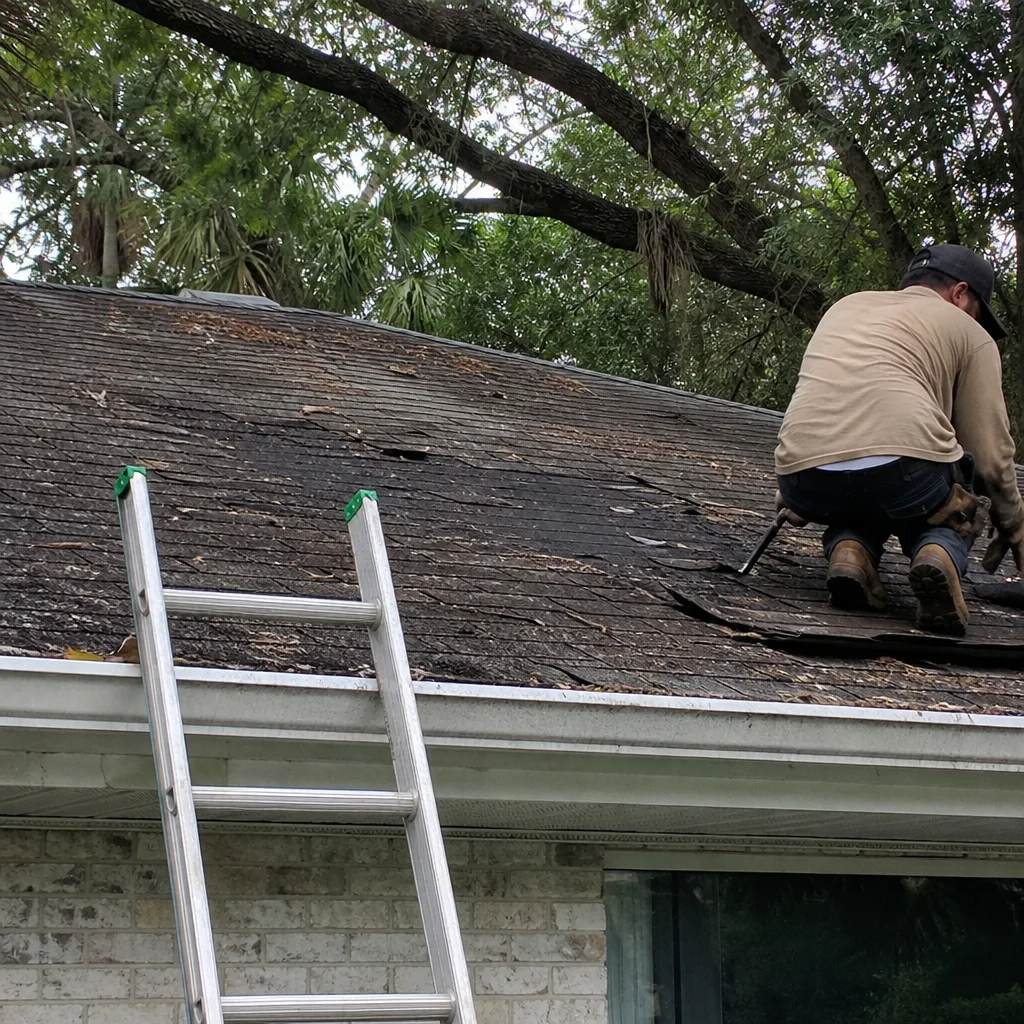 Before
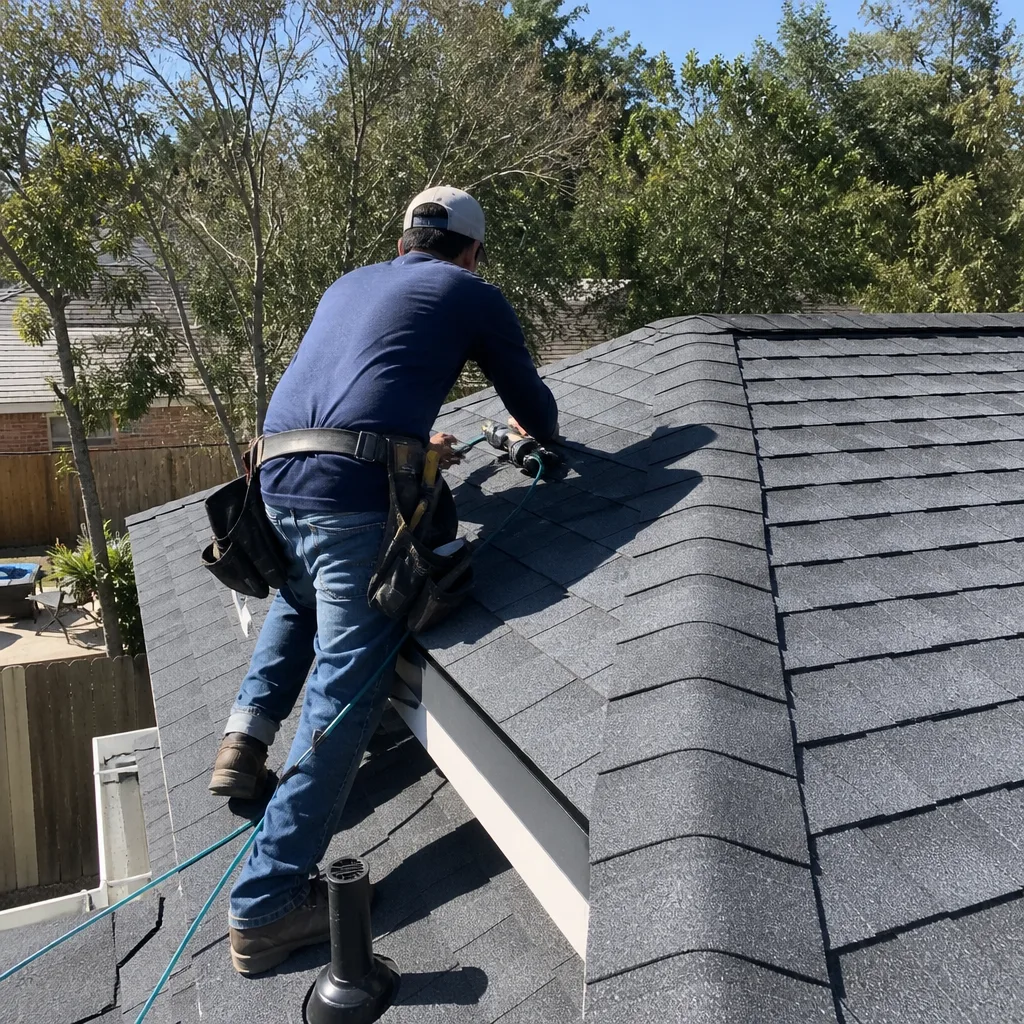 After
After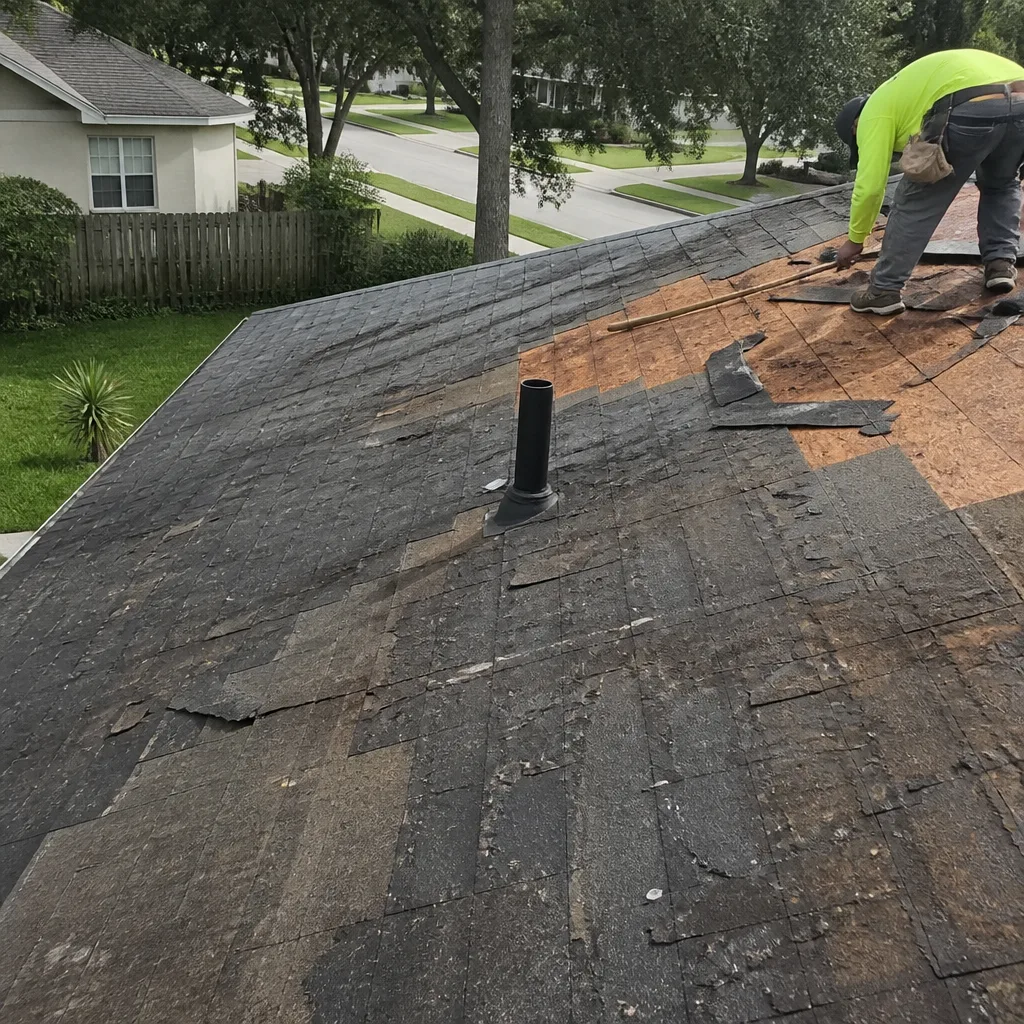 Before
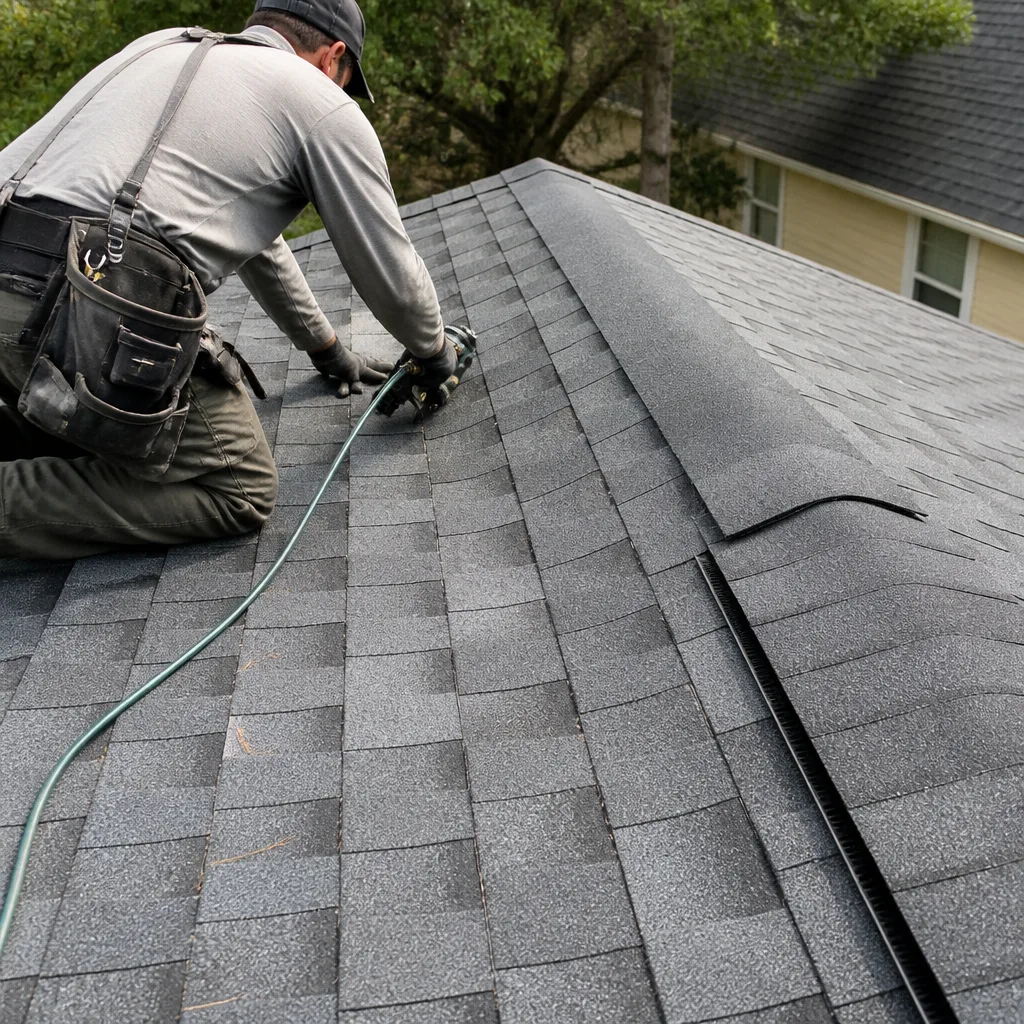 After
After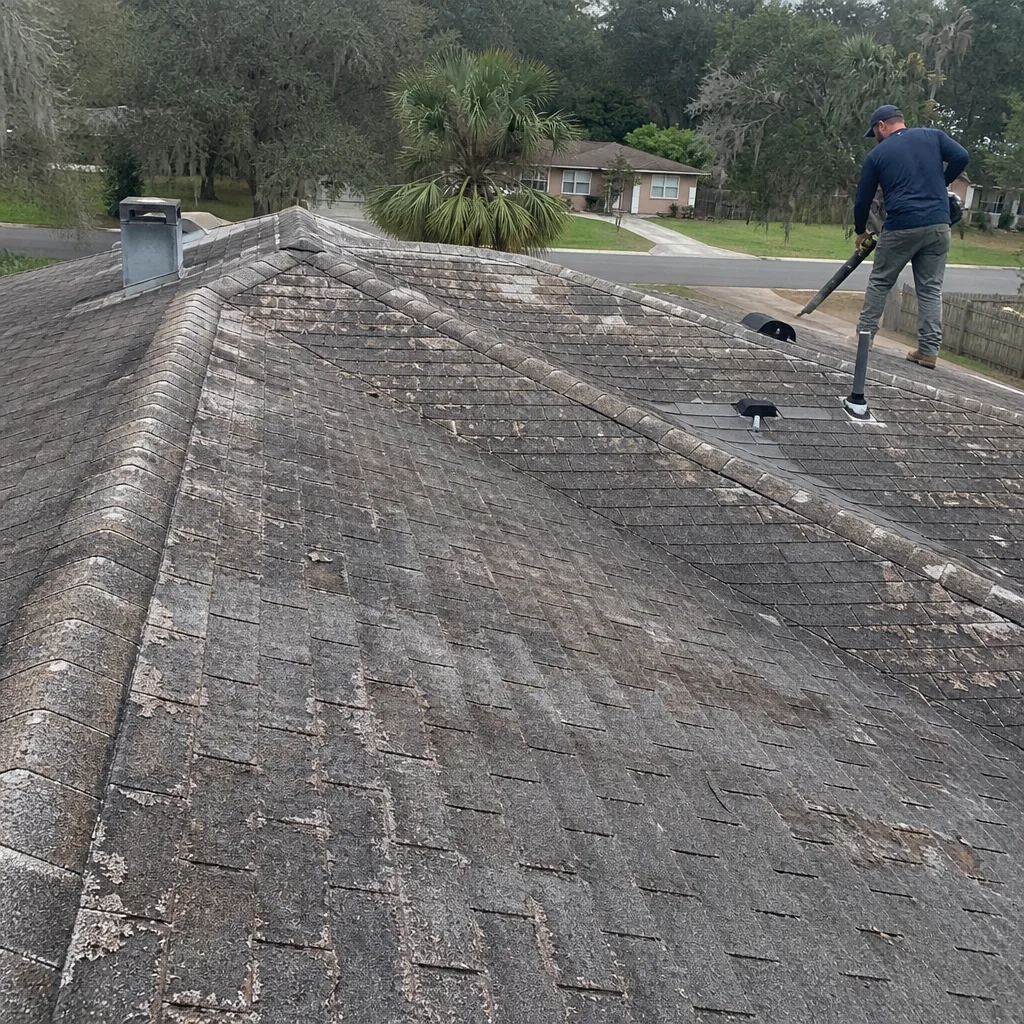 Before
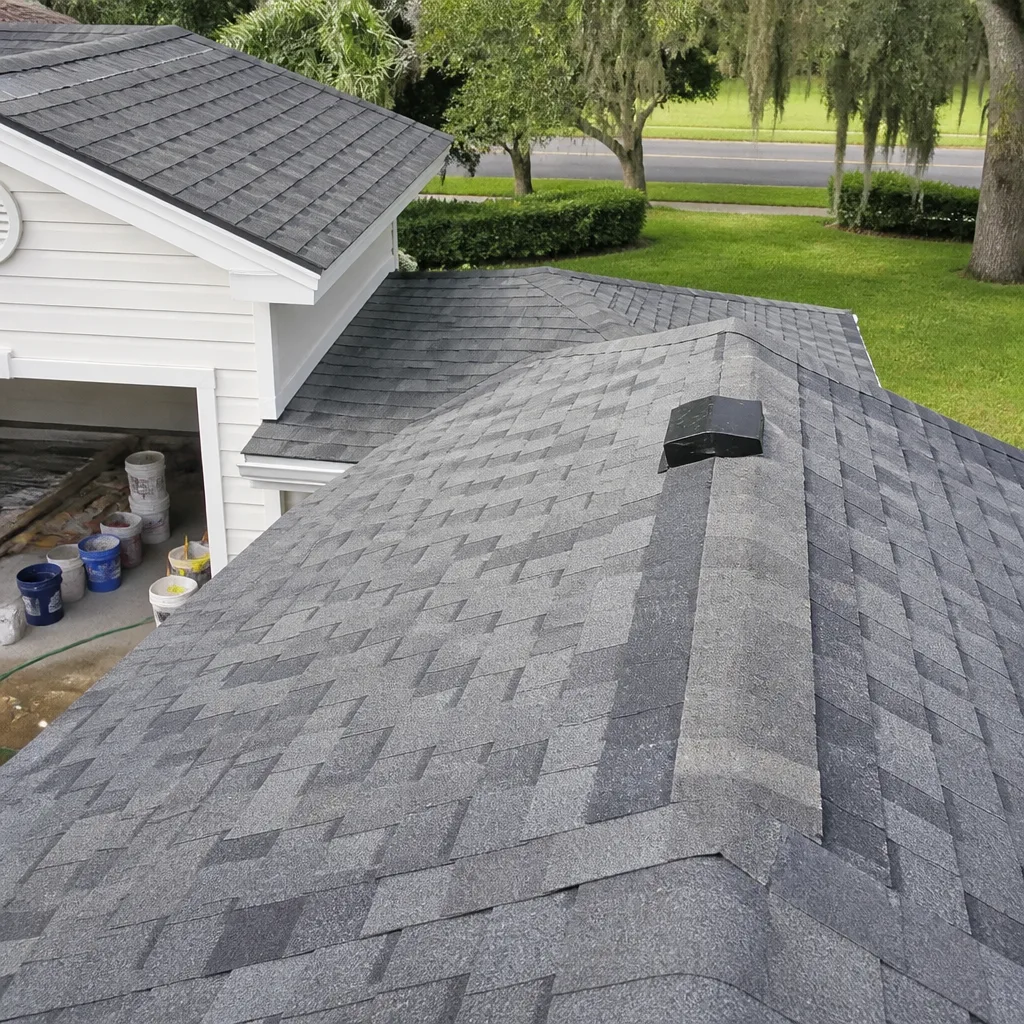 After
After