
Last updated October 17, 2026
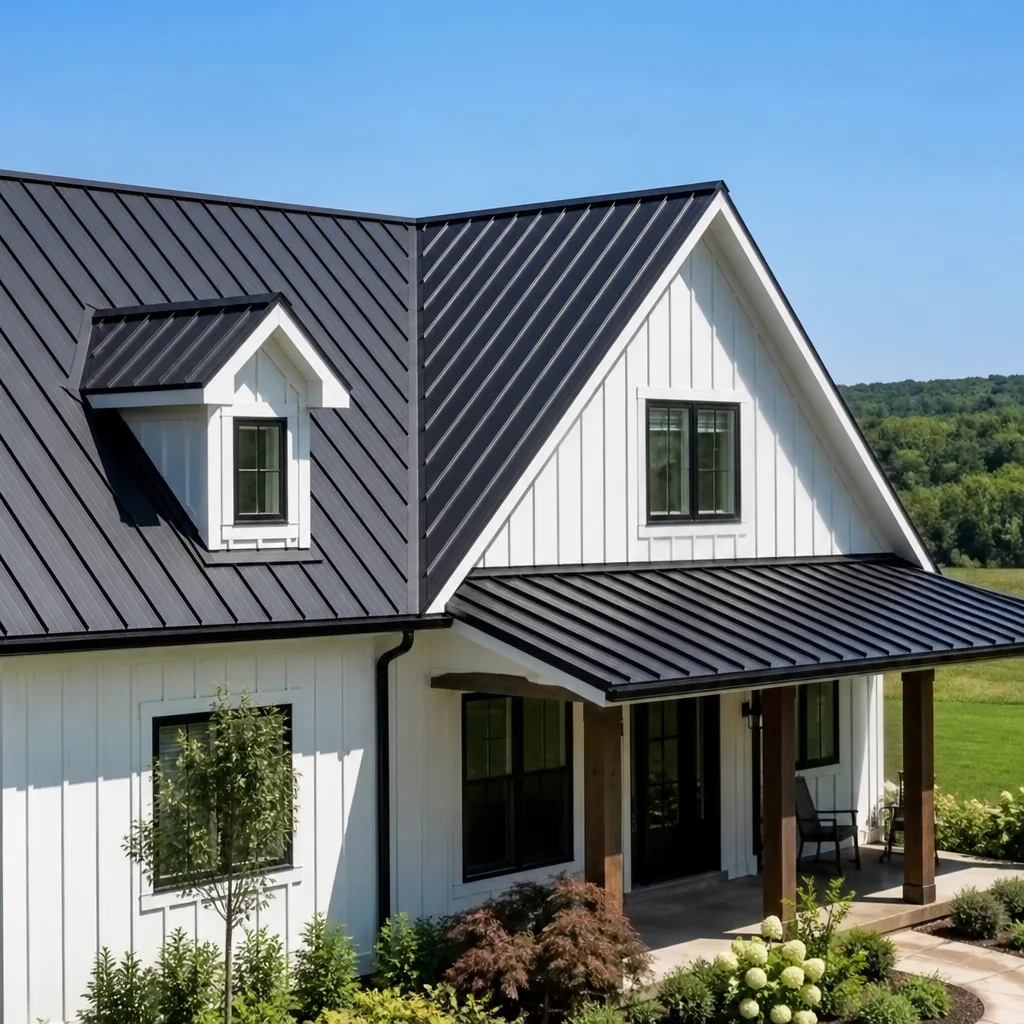 Metal roofing
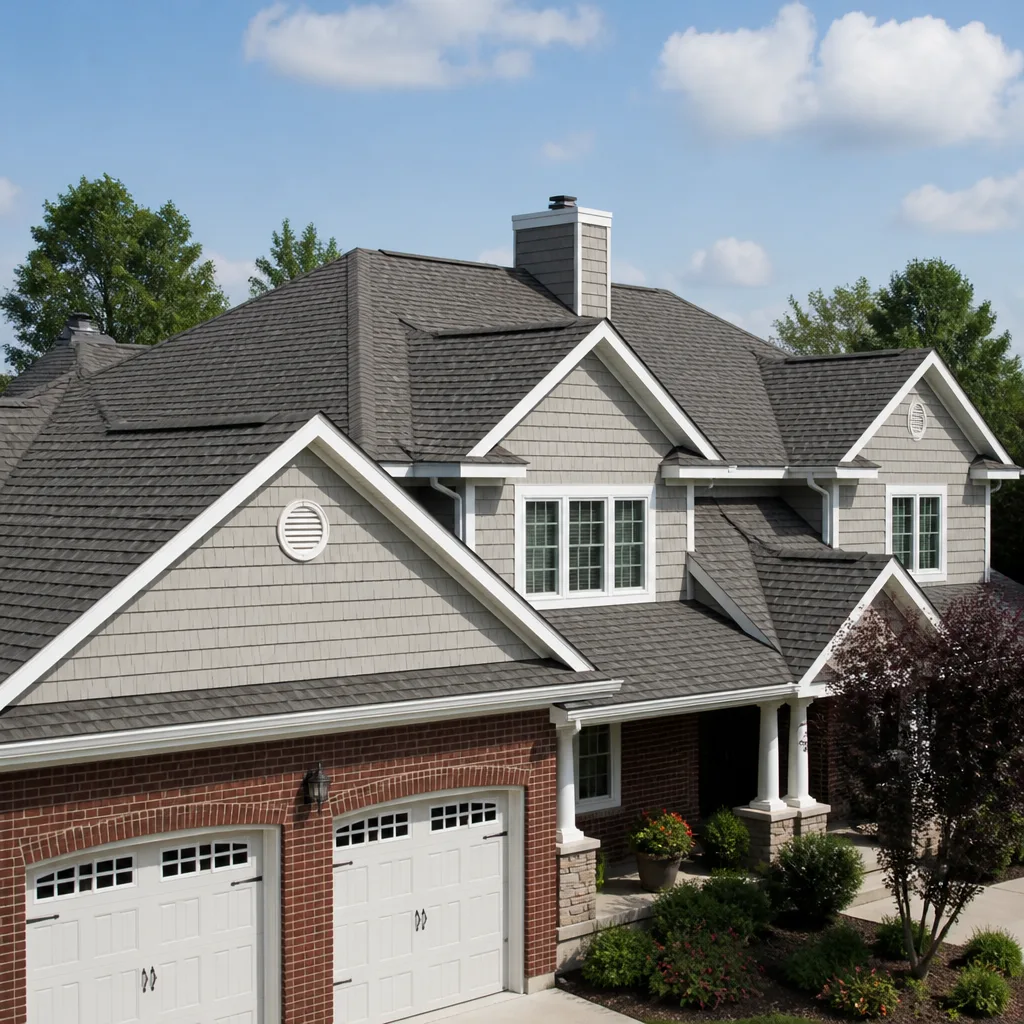 Architectural shingles
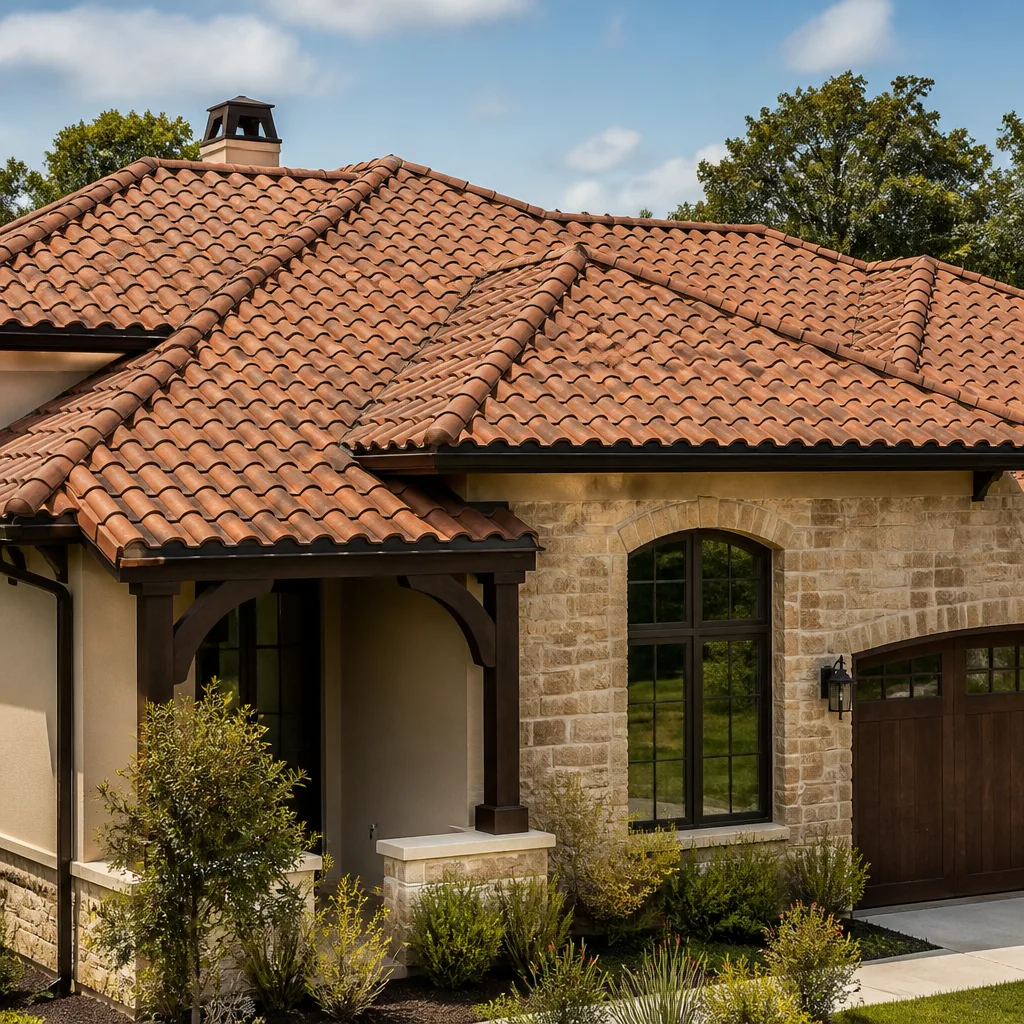 Tile roofing
 GAF
GAF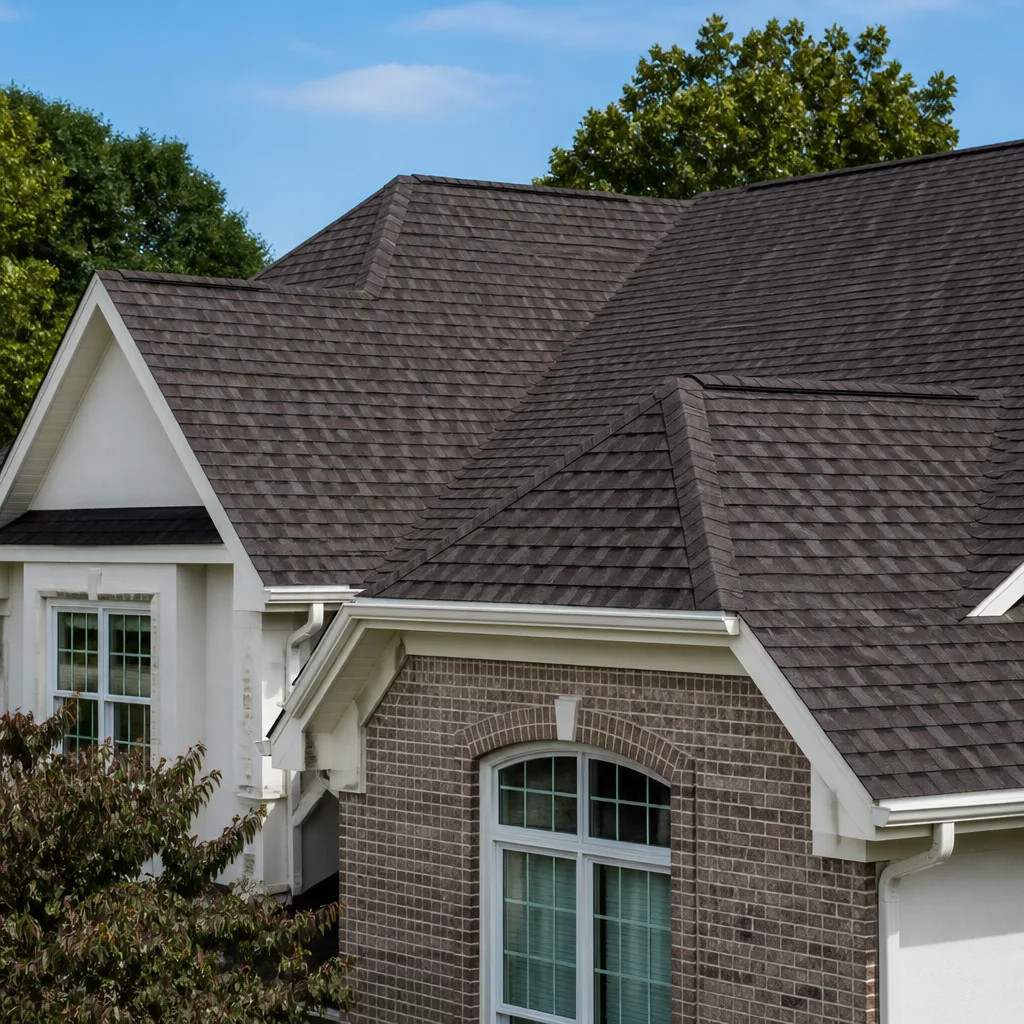 Owens Corning
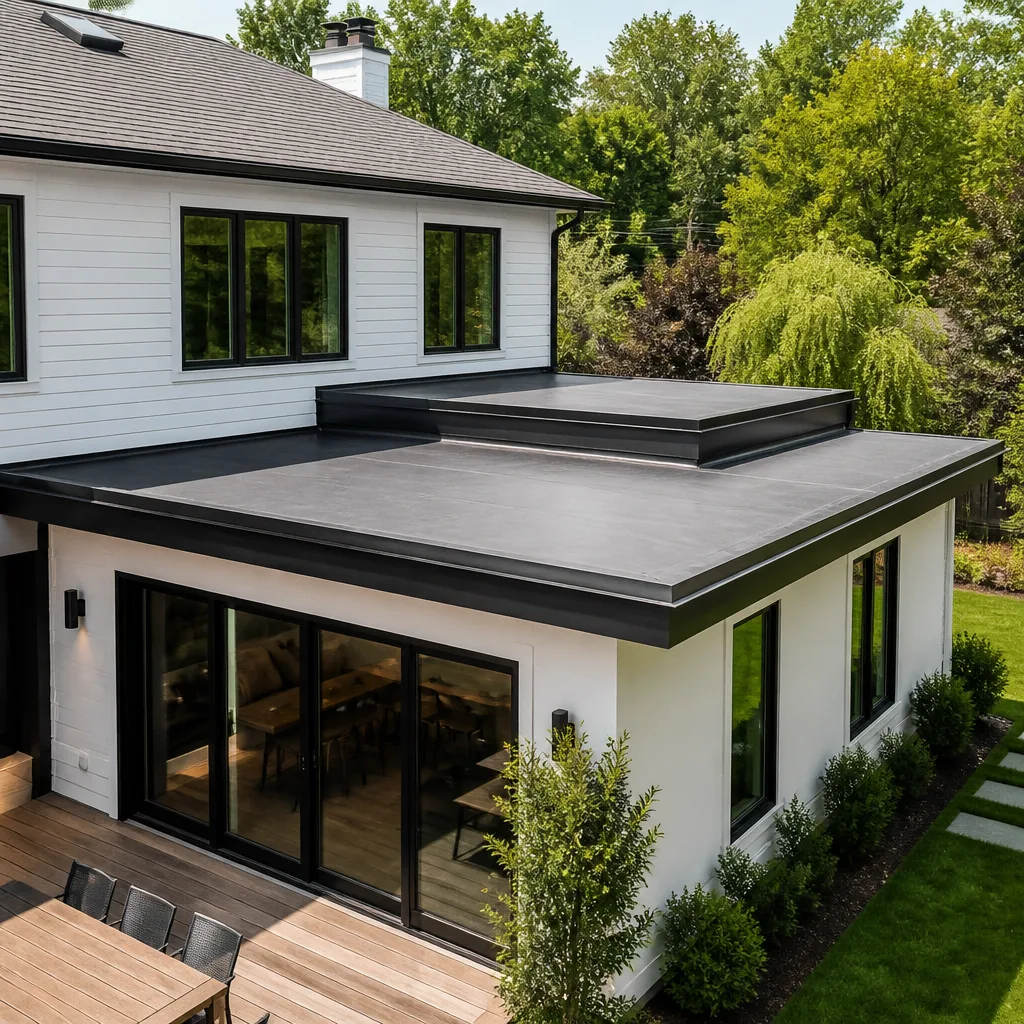 Flat & low-slope
Free roof inspection with deck photos before we talk money - GAF and Owens Corning certified installation
Roofing Company Maintenance Checklist for Jacksonville Homeowners
The single most expensive roofing mistake Jacksonville homeowners make isn’t skipping repairs. It’s performing maintenance on the wrong schedule. Checking your roof in January misses the storm damage that settled in October. Checking it in June misses the dry-rot that developed all winter. This guide maps a roof maintenance routine to Jacksonville’s actual damage calendar, so you catch problems when they first appear, not when they start leaking into your ceiling.
Quick Answer
A Jacksonville roof maintenance checklist should follow the city’s weather calendar, not a generic four-season plan. Run a visual inspection from the ground in March before hurricane season, a full post-storm check after any named storm or heavy wind event, and a moisture-focused interior check during the winter dry stretch from December through February. Document everything with dated photos for insurance purposes, and clear gutters and surface debris quarterly to prevent the water pooling that causes Jacksonville’s most common mid-roof rot.
Styles & brands we work with
Table of Contents
- Why Jacksonville Needs Its Own Roof Maintenance Schedule
- The Jacksonville Damage Calendar: A Month-by-Month Plan
- Coastal-Specific Inspection Points Other Checklists Miss
- What You Can Safely Inspect From the Ground vs. What Needs a Professional
- The Documentation Practice That Protects Your Insurance Claim
- Gutter and Surface Debris: Jacksonville’s Mid-Roof Rot Prevention
- Common Mistakes to Avoid
- When to Call a Professional
- Frequently Asked Questions
Why Jacksonville Needs Its Own Roof Maintenance Schedule
Jacksonville gets roughly 50 inches of rain per year, most of it falling between June and September. The humidity never really leaves. Salt air from the Atlantic and the St. Johns River pushes inland for miles. And hurricane season runs from June 1 through November 30, with the highest risk months being August, September, and October. A maintenance calendar built for Atlanta or Charlotte fails here because it assumes four moderate seasons. Jacksonville has two real seasons: hot and wet, then warm and dry. Your roof fails differently in each.
We’ve pulled back shingles in Arlington and Riverside neighborhoods where the decking underneath looked fine from the attic but had turned to pulp from moisture trapped between the shingle and the underlayment. That kind of hidden damage develops over months, not days. Catching it early requires checking at the right time of year. Check too early and the damage hasn’t shown itself yet. Check too late and you’re replacing decking instead of repairing flashing.
The most useful way to think about Jacksonville roof maintenance is as a cycle tied to three events: pre-hurricane season, post-storm, and the winter dry stretch. Each event has its own inspection priorities, and together they cover the full year without wasted effort.
The Jacksonville Damage Calendar: A Month-by-Month Plan
Here is the schedule we recommend to homeowners across Jacksonville, from Ortega to Oceanway. It accounts for the city’s rainfall patterns, hurricane exposure, and the January-February dry window when hidden moisture problems become visible from inside the house.
March to May: Pre-Hurricane Season Preparation
This is your most important inspection window of the year. The goal is to find and fix problems before the wind and rain arrive. Walk the perimeter of your home and look at the roof from the ground with binoculars if you have them. Check for:
- Shingles that are lifted, curled, or missing entirely
- Ridge cap shingles that look loose or out of alignment
- Flashing around chimneys, vents, and skylights that has pulled away from the surface
- Gutters that are pulling away from the fascia or showing rust at the seams
- Tree branches hanging within six feet of the roofline
- Visible sagging in any roof plane, especially the west-facing slope
Trim back branches now, before they become projectiles in a storm. Clear gutters and downspouts completely. Check attic ventilation: soffit vents should be clear of insulation, and ridge vents should be unobstructed. Poor ventilation in Jacksonville’s summer heat turns attics into ovens that bake shingles from underneath, shortening their life by years.
June to November: Post-Storm Checks
After any named storm, thunderstorm with wind above 40 mph, or heavy rain event that leaves standing water in your yard, do a damage check within 48 hours. You want to document and address problems before the next system arrives. Look for:
- Shingles in your yard or driveway, especially near the roofline
- Granules collecting in gutters or at the base of downspouts
- Dents on metal flashing, gutters, or vents caused by hail or flying debris
- Water stains on interior ceilings or around ceiling fixtures
- Nails that have popped and are now protruding from shingles
- Ridge cap damage on the west-facing slope, which takes the brunt of severe weather moving in from the Gulf
The west-facing slope matters in Jacksonville because most of our strong thunderstorms and squall lines approach from the west or northwest. Homeowners on the west side of town, including parts of Westside and Marietta, see disproportionately more ridge cap blow-off than homes with east-facing slopes. We routinely replace ridge caps on west-facing slopes that look untouched on the other side of the same house.
December to February: The Winter Dry Stretch
Jacksonville’s winter is dry and mild. That’s exactly when hidden moisture problems become visible. With rain paused and humidity lower, water stains on attic framing dry out and leave telltale rings. This is the season for interior inspection.
Go into your attic on a dry, sunny day and look for:
- Water stains on the underside of the roof decking, especially around penetrations
- Rust on nails protruding through the decking, which indicates moisture accumulation
- Mold or mildew on insulation or framing, even light surface growth
- Daylight visible through gaps around pipes or vents
- Sagging insulation that indicates a slow leak above
Also check your ceilings from inside the house. Slow leaks often show as faint brown rings that expand over weeks. If you see one, mark the location with painter’s tape and check it again in 72 hours to determine whether the leak is active or historic. Active leaks darken or expand. Historic stains stay the same.
Coastal-Specific Inspection Points Other Checklists Miss
Jacksonville isn’t Miami, but it’s close enough to salt water that coastal corrosion zones matter. Homes within five miles of the Atlantic or the Intracoastal, including Atlantic Beach, Neptune Beach, and parts of Arlington near the river, deal with three problems that inland Florida homes don’t.
Soffit corrosion. Soffit panels on older Jacksonville homes are often aluminum. Salt air accelerates corrosion at fastener points, and once a soffit panel comes loose, wind-driven rain enters the attic during storms. Check soffits for white powder residue, peeling paint, or panels that have dropped below the fascia line. A loose soffit is a storm leak waiting to happen.
Algae black streaking. High humidity year-round makes Jacksonville a prime environment for Gloeocapsa magma, the blue-green algae that forms black streaks on shingles. It’s not structurally damaging by itself, but the streaking retains moisture, which accelerates granule loss and shingle degradation over time. On north-facing slopes and shaded areas that never fully dry, algae can take years off a roof’s lifespan. If you see streaking, note it in your maintenance log and discuss treatment options with a Roofing Company in Jacksonville when the time comes.
Ridge cap blow-off on west-facing slopes. Already mentioned above, but worth repeating: your west slope takes more wind than the rest of your roof in Jacksonville. Ridge cap shingles are the first to go because they sit at the highest point of the roof and catch the full force of the wind. If you lose one ridge cap shingle, water finds its way under the surrounding ridge caps and begins rotting the decking at the peak. That’s a repair that costs hundreds of dollars if caught early and thousands if ignored.
What You Can Safely Inspect From the Ground vs. What Needs a Professional
Here’s the honest split: you can see about 70% of what matters from the ground with a pair of binoculars. The other 30% requires being on the roof, and some of that requires a trained eye. Misreading a situation from the ground can lead you to ignore a serious problem or panic about a cosmetic one.
What you can safely check from the ground:
- Shingle condition. Curling, lifting, missing shingles, and granule loss are visible with binoculars.
- Flashing displacement. Step flashing, counter-flashing, and chimney flashing that has pulled away is visible from the ground if you know what to look for.
- Ridge cap alignment. Ridge caps that are out of line or missing are visible against the skyline.
- Gutter condition. Sagging, rust, separation at seams, and granule accumulation are all visible from ground level.
- Tree overhang. Branches over the roof are easy to spot from the yard.
What requires a professional on the roof:
- Decking condition. Soft spots, rot, and delamination can’t be seen from the ground and often can’t be seen from the attic either because insulation blocks the view.
- Underlayment integrity. The layer between shingles and decking is only visible when shingles are lifted or removed.
- Flashing seal condition. Flashing may look fine from the ground but have failed sealant underneath that’s actively leaking.
- Manufacturer warranty inspection. Some shingle manufacturers, including GAF and Owens Corning, require periodic roof inspections to maintain warranty coverage. These inspections need to be done by a qualified contractor who knows what the manufacturer requires.
- Post-storm documentation. If you’re filing an insurance claim, you need a professional inspection report. Insurance adjusters take contractor findings more seriously than homeowner photos.
One caution: walking on a shingle roof yourself is dangerous and, on some roofs, damages the shingles. Most manufacturer warranties from GAF, CertainTeed, and Owens Corning are voided by improper installation, not by foot traffic. But crushing granules with work boots accelerates wear and creates weak spots. If you’re not trained to walk on a roof, hire someone who is. The cost of a Roof Inspection in Jacksonville is a fraction of the cost of replacing damaged shingles or, worse, falling off a roof.
The Documentation Practice That Protects Your Insurance Claim
Here’s a scenario we’ve seen repeatedly in Jacksonville: a summer storm blows through, a homeowner notices a leak in October, they file an insurance claim, and the adjuster denies it because the homeowner can’t prove the damage happened during the storm. Without dated photos, you’re arguing from memory, and memory doesn’t win insurance disputes.
Build a simple documentation habit:
- Once a year, in March, take dated photos of your roof from all four sides. Use a smartphone. Date and time are embedded in the file. Store them in a folder labeled with the year.
- After any storm with wind above 40 mph, repeat the process within 48 hours. These photos become your baseline for future claims.
- Photograph any visible damage close-up. Missing shingles, lifted flashing, dented metal, granule loss. Get the context shot first, then the close-up.
- Interior damage matters too. Photograph ceiling stains in the attic and inside the house with the date visible. Draw a line around the stain with a pencil and photograph it again a week later to document whether it’s expanding.
- Keep invoices for any professional work performed. Insurance companies want maintenance records. A homeowner who can show a documented maintenance history is in a stronger position than one who files a claim on a roof that’s been ignored for a decade.
This practice costs nothing and takes fifteen minutes per year. It’s the difference between an approved claim with the full replacement cost and a denied claim with the homeowner eating the bill.
Gutter and Surface Debris: Jacksonville’s Mid-Roof Rot Prevention
Jacksonville’s live oak canopy is beautiful, but it drops leaves, twigs, and acorns continuously from October through March. Those gutters you cleaned in September are full again by Thanksgiving. Clogged gutters don’t just spill over the fascia; they create standing water that wicks up under the shingle course at the roof edge and rots the decking from the edge inward.
The failure mode that causes Jacksonville’s most common mid-roof rot works like this: leaves dam a low spot in a gutter, water pools at that spot, shingles at the overhang sit in water, water wicks under the shingles and onto the decking, and the decking rots from the bottom up. By the time you see a ceiling stain inside, the decking is often already gone in sections.
Prevention is straightforward:
- Clear gutters quarterly: March, June, September, and December
- Remove surface debris from the roof after major leaf-drop periods in October and November
- Check downspouts for blockages by running a hose through them twice a year
- Trim tree branches back so they don’t dump debris directly onto the roof
- Install gutter guards if you have heavy tree cover, but understand they still need periodic checking
Gutter guards help, but they’re not maintenance-free. Pine needles wedge into the openings, and once a section clogs, water runs over the top and the guard becomes irrelevant. If you install guards, still plan on checking them each fall.
Common Mistakes to Avoid
- Checking your roof in January instead of March. January is the dry stretch for interior checks, not the time to assess storm readiness. Storm damage from October has been sitting for three months, and you’re five months away from hurricane season. March tells you what you need to fix before the weather turns.
- Ignoring the west slope. Most severe weather in Jacksonville comes from the west and northwest. The west-facing slope sees more wind, more rain impact, and more ridge cap loss. Inspect it first, not last.
- Walking your roof to inspect it without knowing how. You can damage shingles by walking on them incorrectly, and you can fall. Use binoculars from the ground. If you need a closer look, call a roofing professional.
- Filing an insurance claim without documentation. Dated photos from March and after each storm are the evidence that gets claims approved. Filing without documentation invites denial.
- Clearing gutters only in fall. Jacksonville’s live oaks drop debris from October through March, and summer thunderstorms bring wind-blown leaves year-round. Quarterly clearing is the minimum, not the ideal.
- Treating algae streaking as harmless. Algae isn’t structural by itself, but it holds moisture against shingles and accelerates wear. On north-facing slopes that never fully dry, algae shaves years off the roof’s life. Address it early.
- Assuming a roof leak is a simple patch job. The visible stain is often the last evidence of a problem that started much earlier. By the time water reaches the ceiling, the decking near the leak has likely been wet for months. A proper Roof Repair in Jacksonville investigation is worth more than a tube of sealant.
When to Call a Professional
Call a roofing professional if you see missing or lifted shingles after a storm, water stains on interior ceilings, visible sagging in any roof plane, or granule loss so heavy that gutters are filling with sand-like material. If your roof is older than 15 years, an annual professional inspection catches what ground-level checks miss. If you’re filing an insurance claim, you need a professional’s written assessment before the adjuster arrives. Brennan Roofing Co Jacksonville offers free estimates in Jacksonville. Call (904) 719-6346 and Travis Oakley or a member of the team will schedule a visit. You’ll get a written price before any work starts, and every job is backed by the 365-Day Done Right Promise in writing.
Frequently Asked Questions
Once a year at minimum, scheduled in March before hurricane season begins. A professional inspection costs more than a DIY check but catches problems you can’t see from the ground. If your home is within five miles of the coast, consider a second inspection in October to catch late-season storm damage before the winter dry stretch. If a named storm passes within 50 miles of Jacksonville, schedule an inspection within two weeks even if you’ve already had one that year.
A basic professional roof inspection in Jacksonville typically runs $150 to $350 depending on roof size and complexity. Gutter cleaning runs $100 to $250 per cleaning for a single-story home, more for two-story homes. Minor repairs like sealing flashing or replacing a few shingles run $300 to $800. Replacing a section of rotted decking runs $1,000 to $3,000 depending on how far the rot has spread. Get a written estimate before any work starts and confirm what’s included. Call (904) 719-6346 for an exact quote, the estimate is free.
Jacksonville is actually easier on shingles than South Florida. The city is far enough north that summer UV exposure is less intense than in Miami or Fort Lauderdale, and winter temperatures drop low enough occasionally to stress materials in different ways. A quality architectural shingle installed correctly in Jacksonville should last 20 to 25 years, similar to the national average. The bigger variables are ventilation and tree cover. A poorly ventilated attic in a live-oak-shaded lot can shorten life by 5 to 7 years.
If the damage is from a covered peril like wind, hail, or falling debris, then yes, roof repairs are typically covered. The claim process in Florida moves faster when you have documentation: dated photos from before the event, photos immediately after, and a written professional assessment. Florida insurance carriers have tightened roof claims processes in recent years, and the age of your roof matters. Roofs over 15 years old often trigger reduced coverage or a depreciation schedule. Read your policy’s roof coverage section before you file.
No. A roof inspection by a qualified contractor does not void a manufacturer warranty from GAF, CertainTeed, Owens Corning, IKO, Atlas, Tamko, or Boral. The opposite is true: some manufacturer warranties require periodic inspections to remain valid. What voids a warranty is improper repair work, use of off-brand materials, or installation over a failed substrate. If you’re having repairs done, confirm the contractor is using materials from the same manufacturer line as your existing roof.
The honest answer comes from a full inspection. The rule of thumb: if the damage is isolated to one area and the rest of the roof is in good shape, repair it. If you’re seeing problems in multiple areas, granule loss across the entire roof, lifting shingles in several locations, or the roof is past 20 years old, replacement is probably the better long-term value. Jacksonville’s storm season punishes weakened roofs. Ask for a written assessment with photos from the contractor so you can see the evidence behind the recommendation. Call (904) 719-6346 for a free evaluation.
The Bottom Line
Jacksonville homeowners who maintain their roof on the city’s actual weather calendar catch problems early, protect their insurance claims with documentation, and avoid the expensive surprises that come from ignoring the west slope or the winter dry stretch. The maintenance schedule in this guide isn’t a suggestion. It’s a map of how Jacksonville’s climate damages roofs, and it’s organized around the three events that matter: pre-hurricane season, post-storm, and winter drying. Run the checks, take the photos, clear the gutters, and call (904) 719-6346 when you need a professional’s eyes on the work, or explore more guides & resources. The estimate is free, the price goes on paper before any work starts, and the 365-Day Done Right Promise covers every repair in writing for a full year.
Written by Travis Oakley, Owner at Brennan Roofing Co Jacksonville, serving Jacksonville since 2000.
See the difference
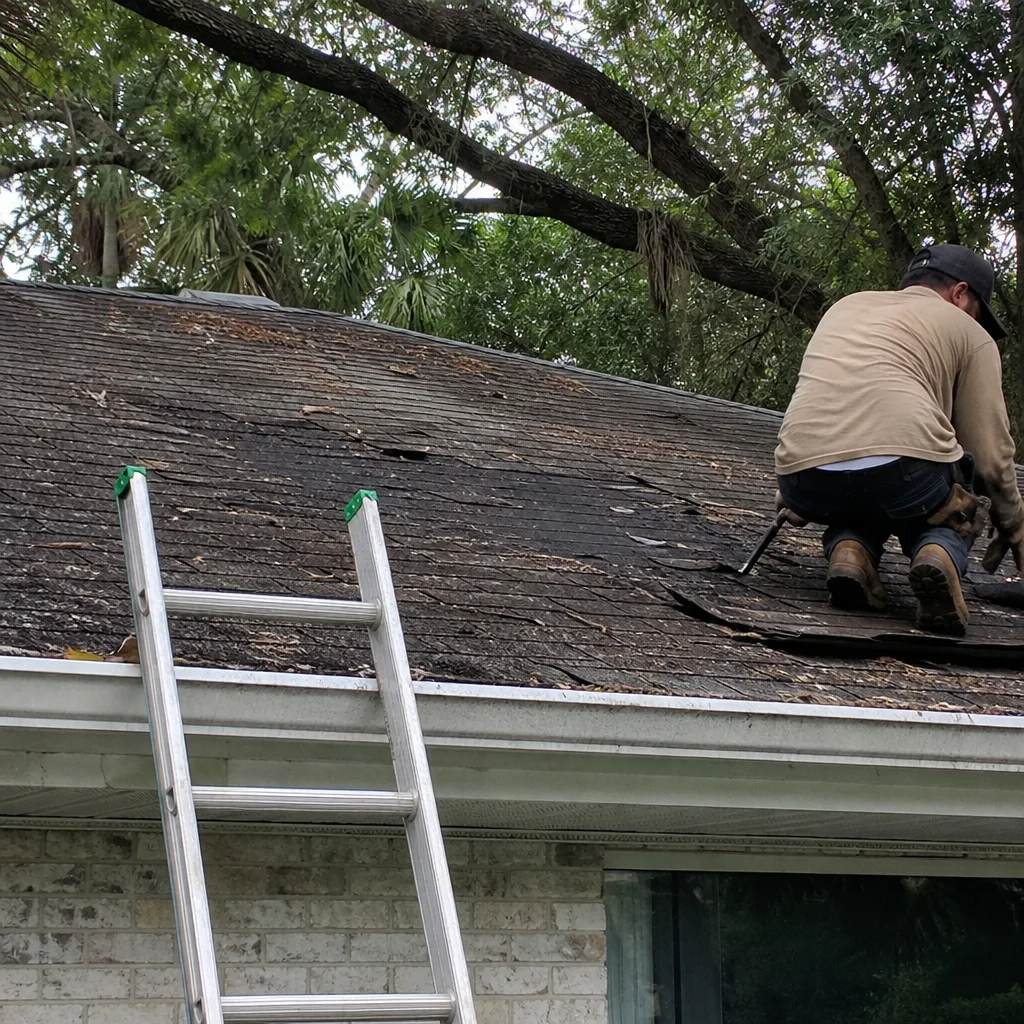 Before
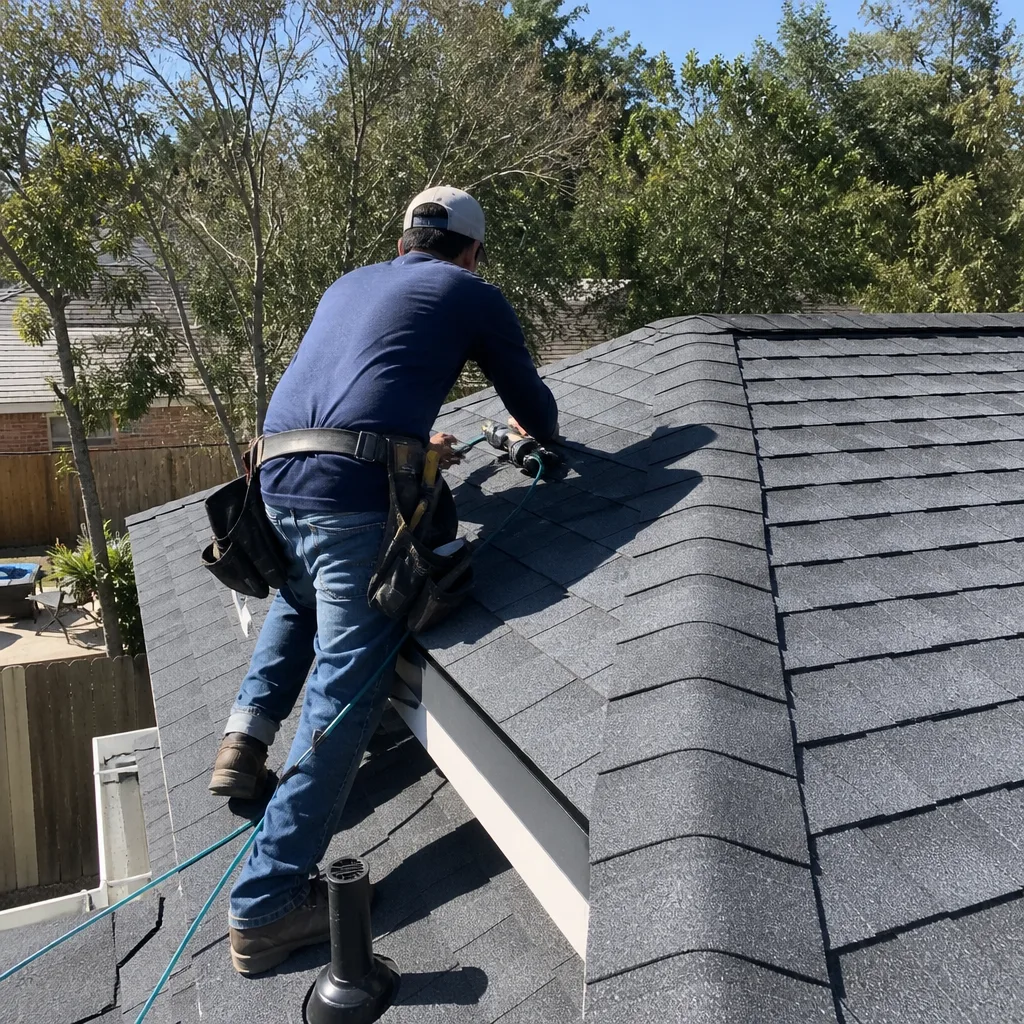 After
After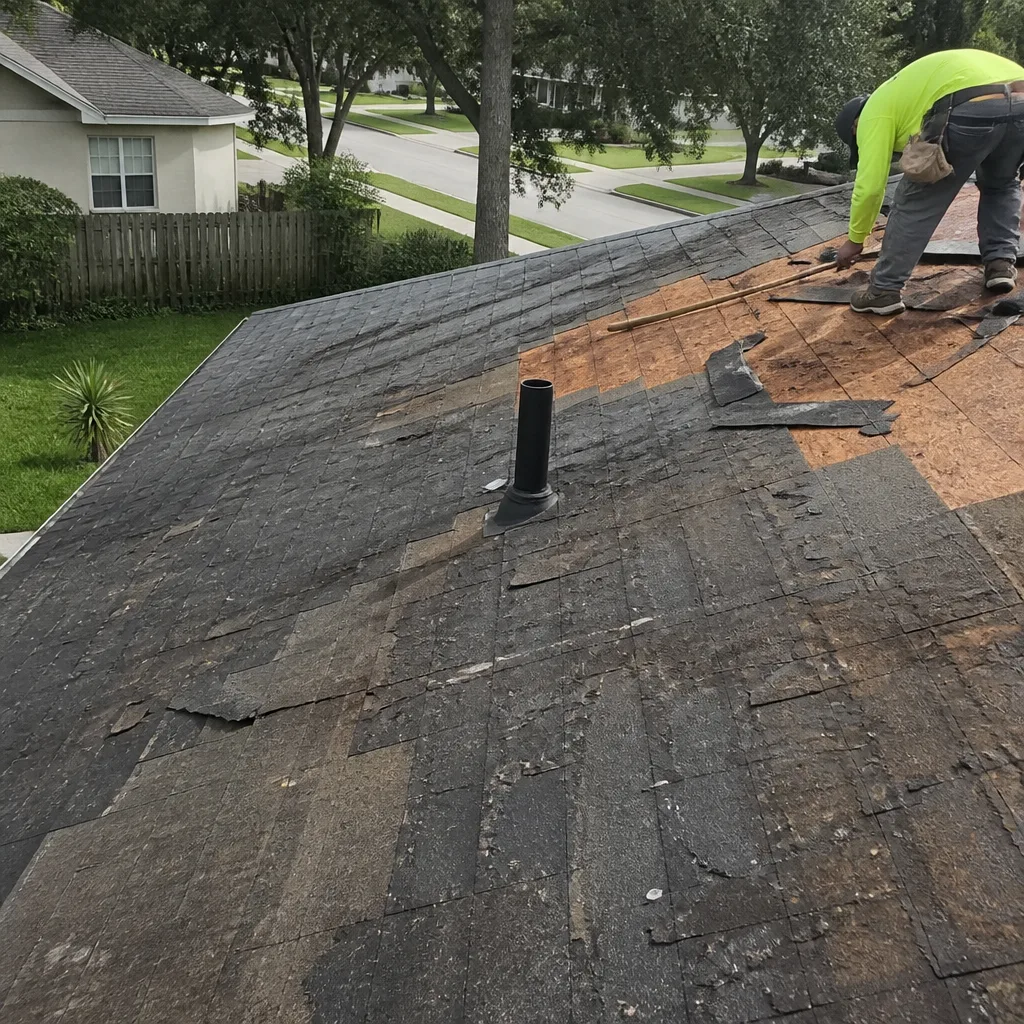 Before
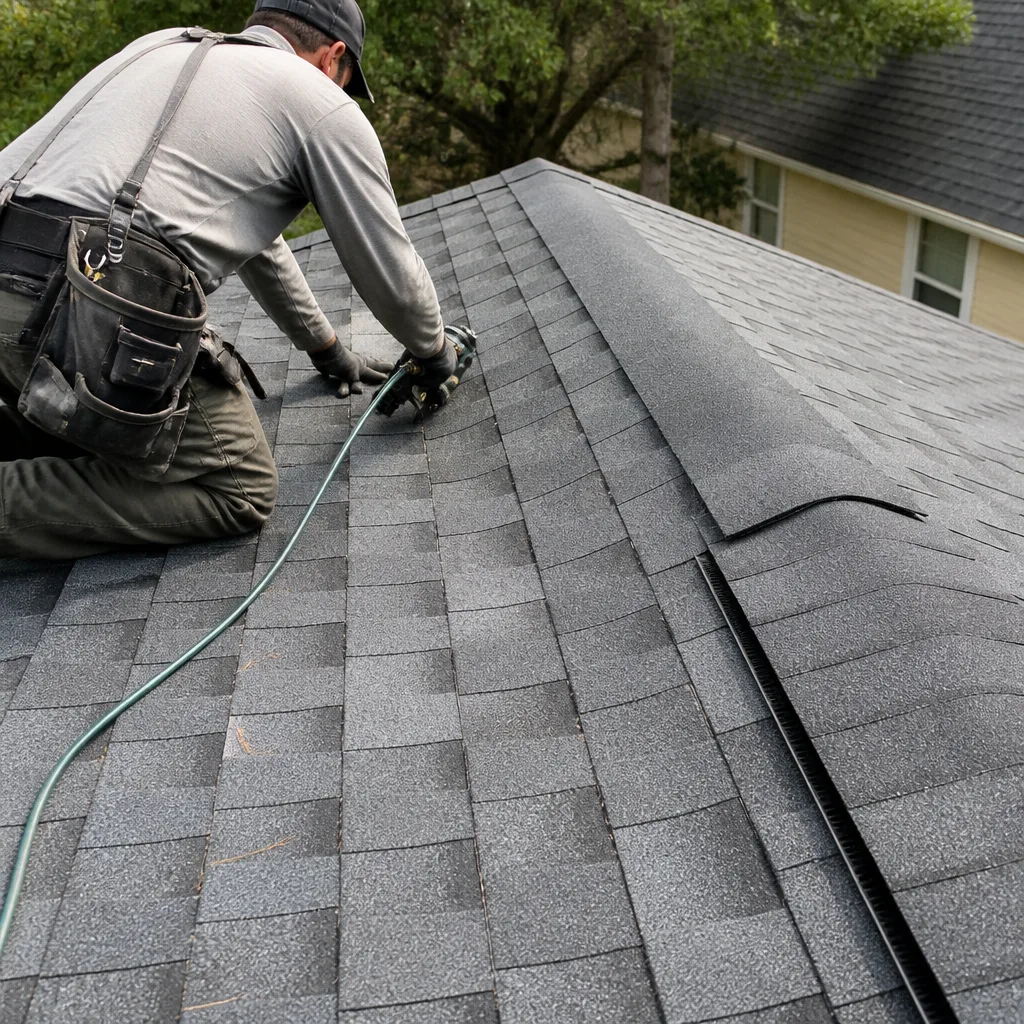 After
After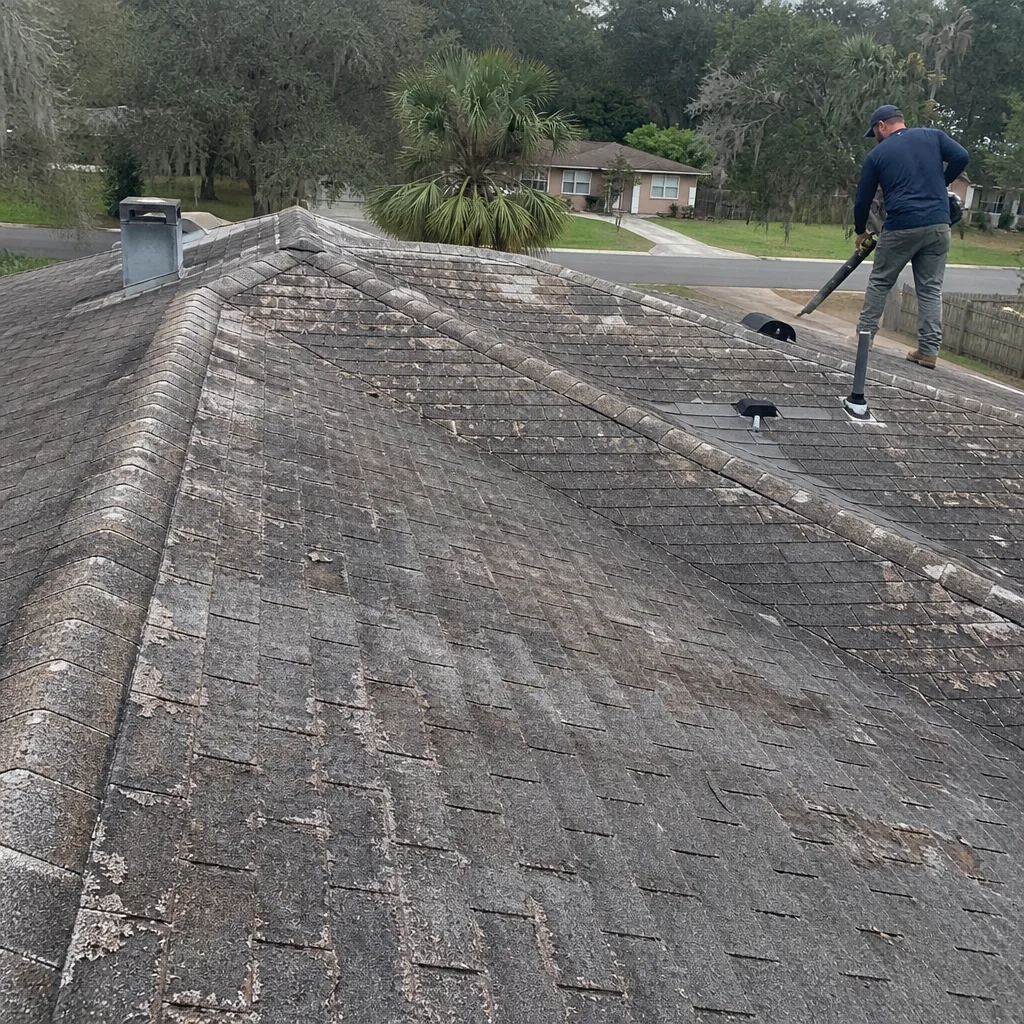 Before
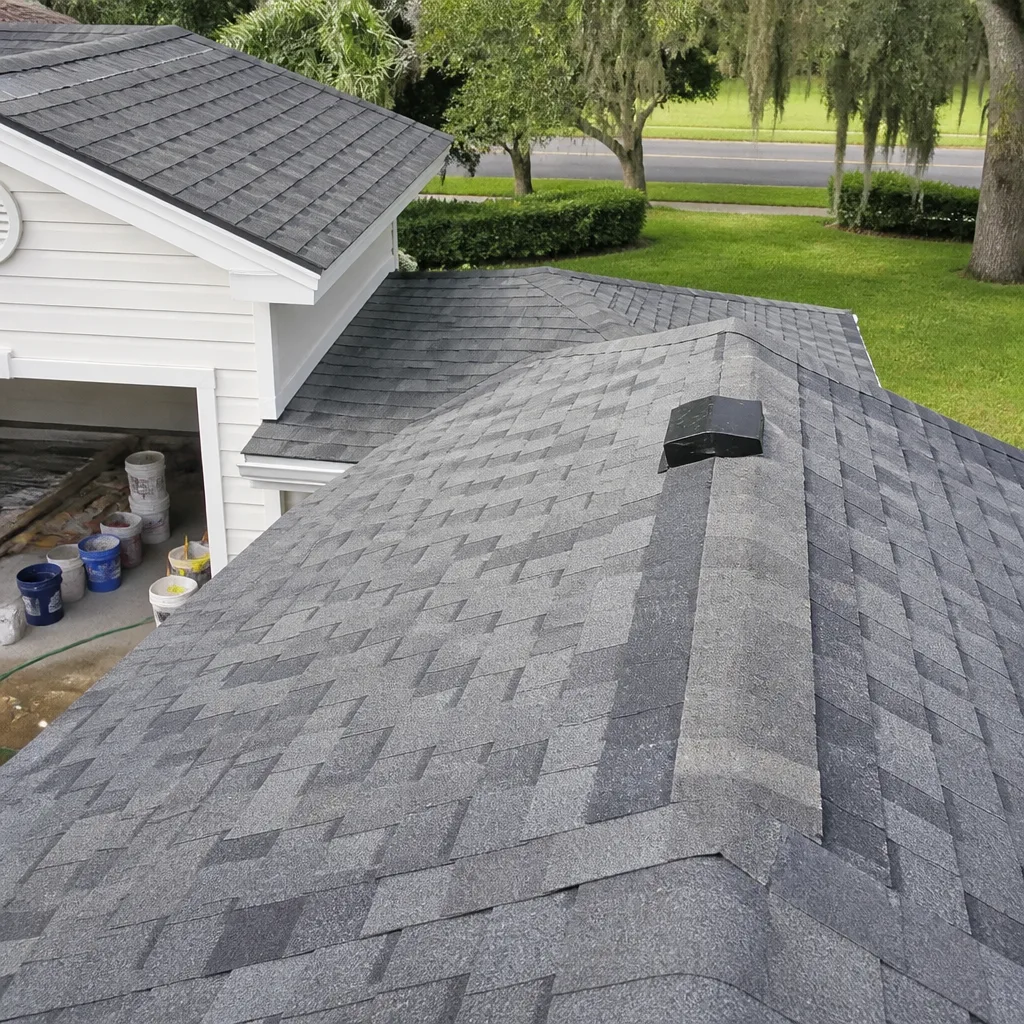 After
After