
Last updated October 17, 2026
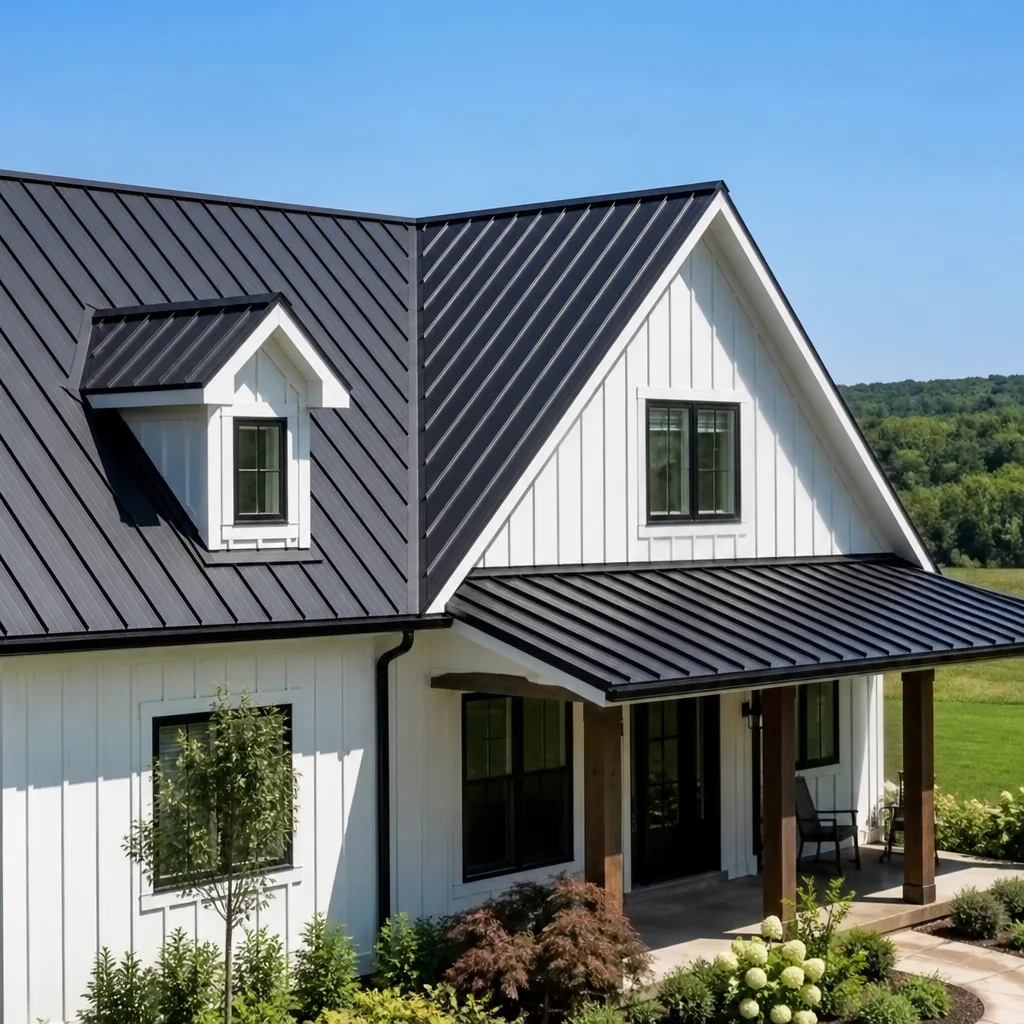 Metal roofing
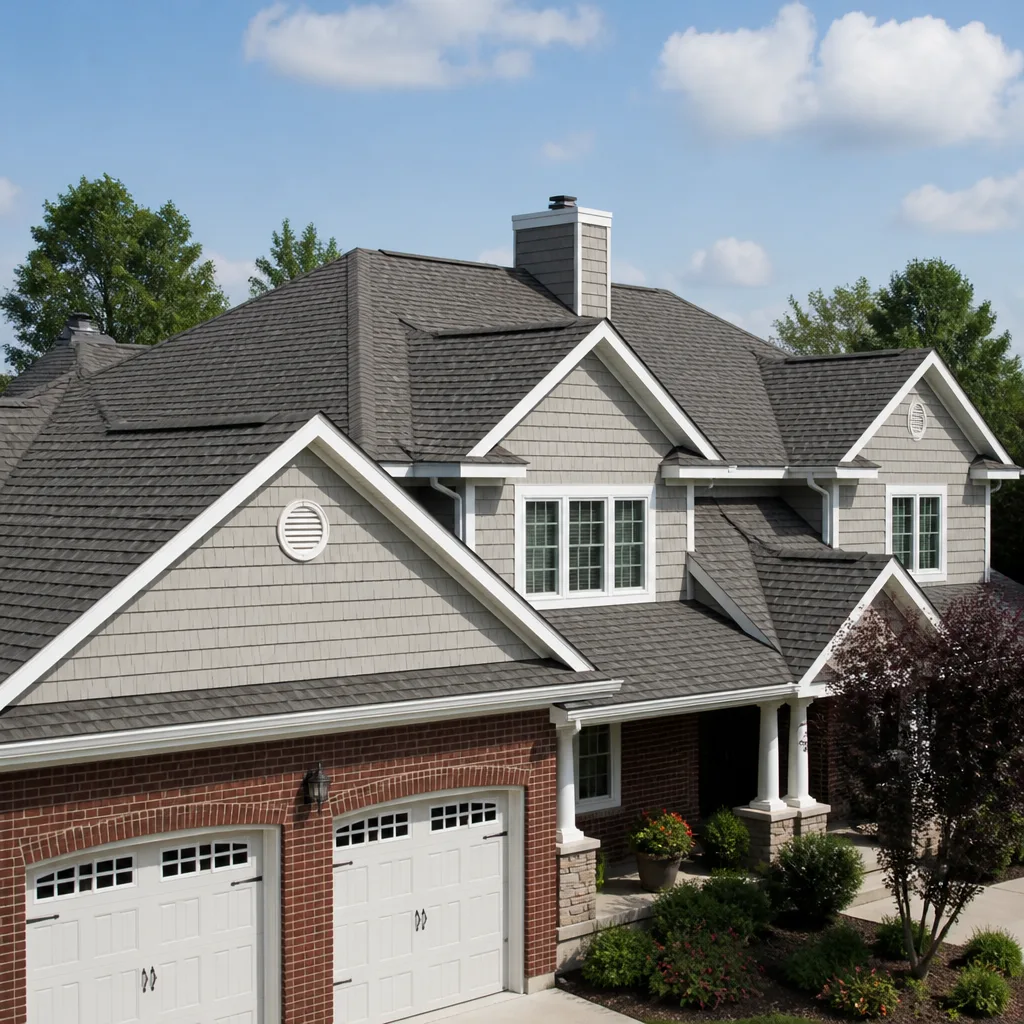 Architectural shingles
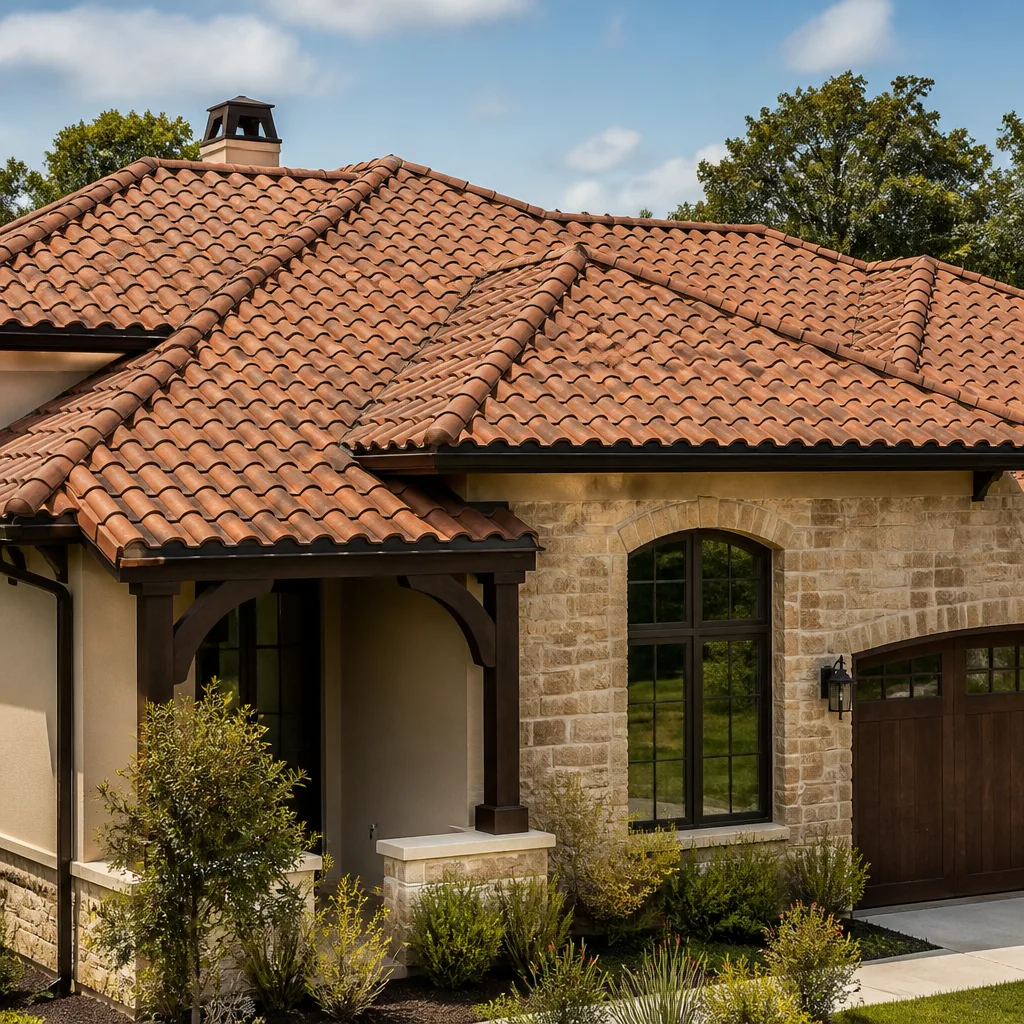 Tile roofing
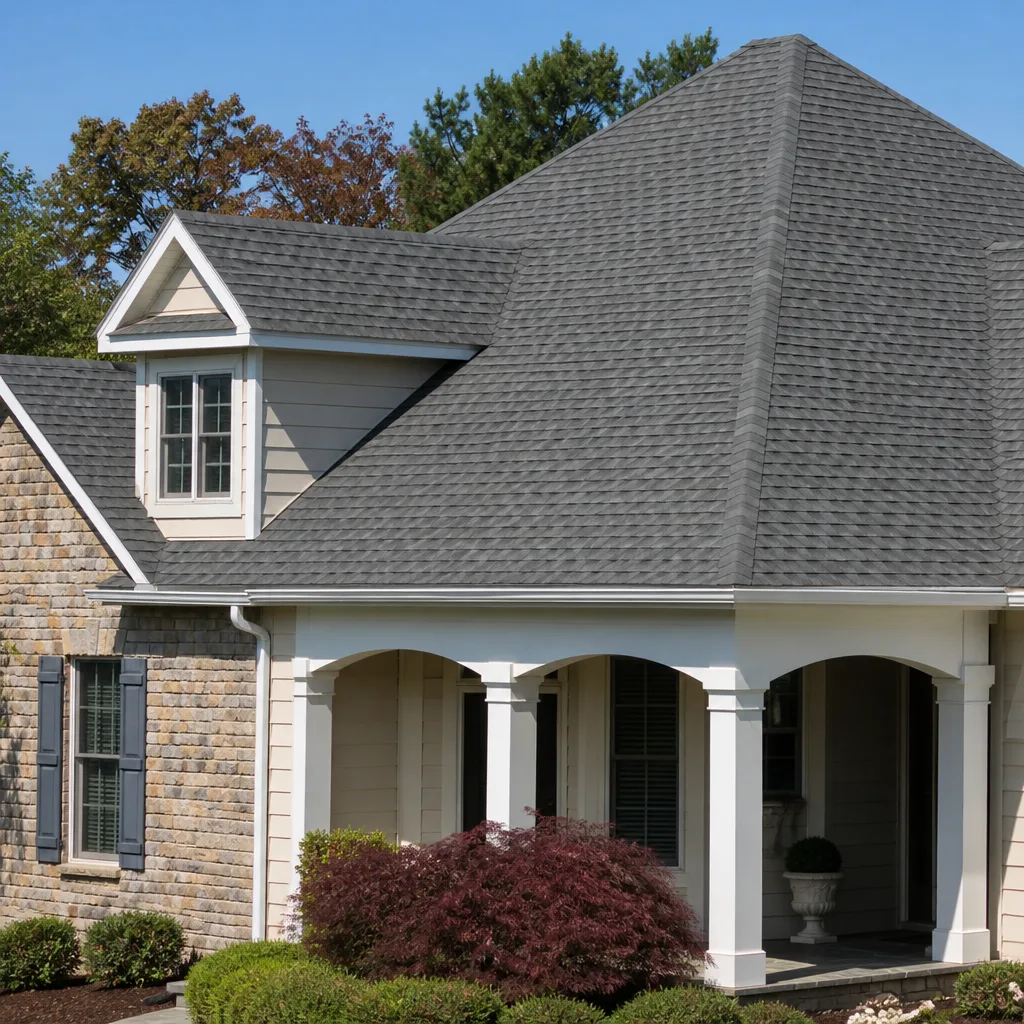 GAF
GAF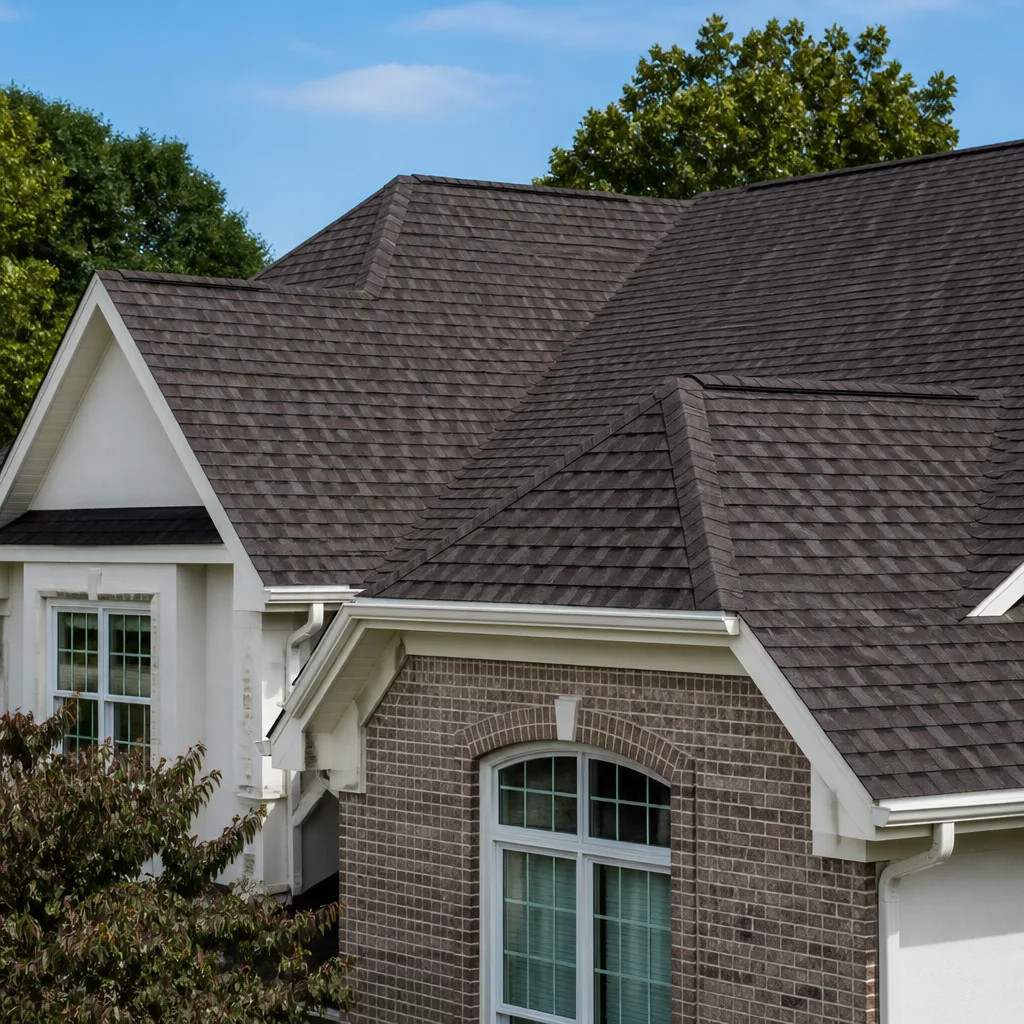 Owens Corning
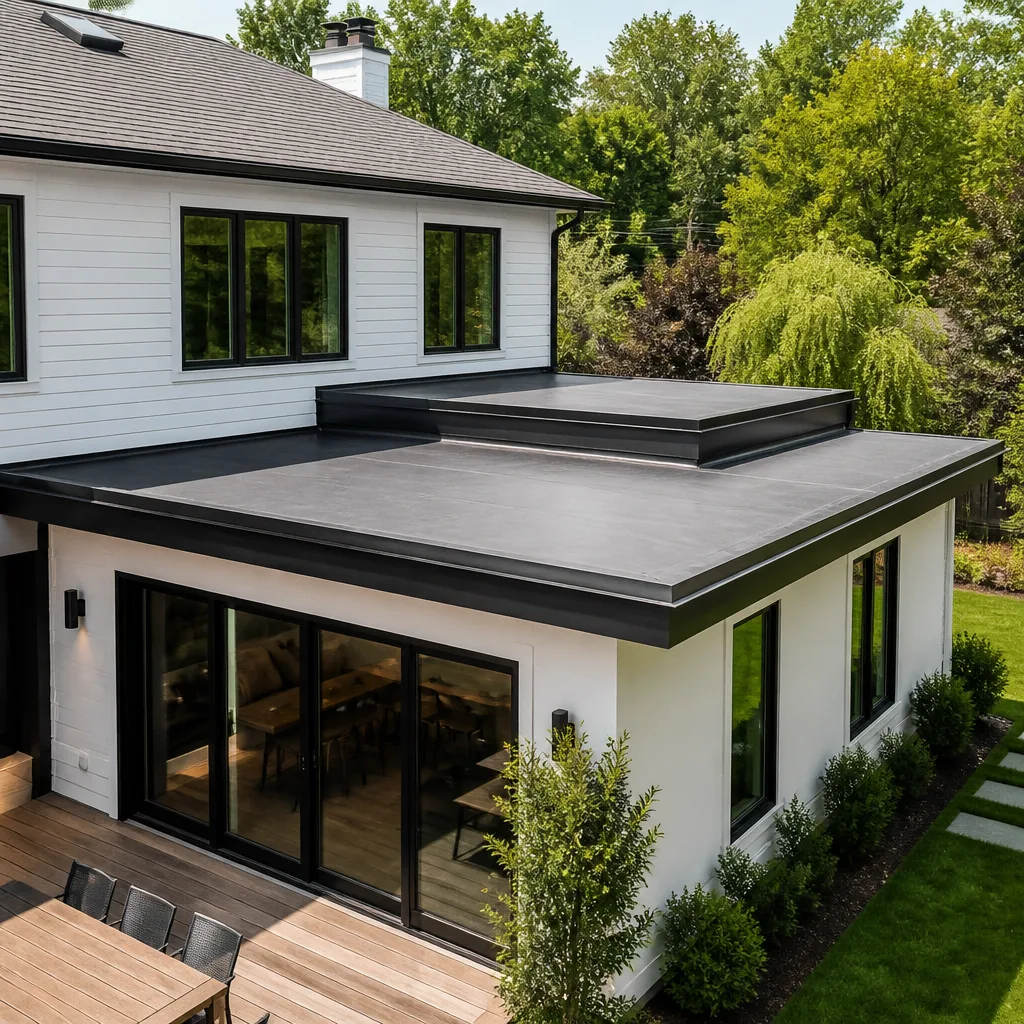 Flat & low-slope
Free roof inspection with deck photos before we talk money - GAF and Owens Corning certified installation
The Complete Guide to Roofing in Jacksonville
Jacksonville averages 52 inches of rain per year, nearly double the national average, and sits inside the cone of probability for Atlantic hurricanes more often than almost any major city on the Florida peninsula. Yet most roofing content written for Florida homeowners treats Jacksonville like it’s Orlando or Tampa, ignoring the salt-laden air that rolls off the St. Johns River basin and the Intracoastal, accelerating corrosion on the Northside and Beaches areas years ahead of schedule. Add in a contractor licensing gap that lets unlicensed crews legally operate on certain job sizes, and you have a market where the informed homeowner keeps a roof for 25 years and the uninformed one replaces it twice in 15. This guide covers what actually matters in Jacksonville roofing: materials that survive our climate, honest costs, the license check that takes four minutes, and how to read a quote line by line.
Quick Answer
Roofing in Jacksonville comes down to three decisions: material, contractor, and paperwork. A properly installed architectural shingle roof in Jacksonville costs between $11,000 and $19,000 on a typical 2,000 square foot home and should last 18 to 25 years, while metal costs $24,000 to $42,000 and routinely lasts 40 to 50 years in our coastal climate. The single most important step is verifying your contractor’s Florida state license and getting a written price before any work starts, which our How to Hire a Roofing Contractor in Jacksonville: A Step-by-Step Guide walks through in detail.
Styles & brands we work with
Table of Contents
- Why Jacksonville’s Climate Punishes Roofs Differently Than the Rest of Florida
- The Three Roofing Materials That Actually Work in Jacksonville
- Florida’s $75,000 Contract Threshold and How to Verify a License
- What Roofing Actually Costs in Jacksonville in 2026
- Wind Mitigation Reports and Your Homeowners Insurance
- How to Read a Jacksonville Roofing Quote Line by Line
- Repair or Replace: How to Decide When a Jacksonville Roof Has Had Enough
- Common Mistakes to Avoid
- When to Call a Professional
- Frequently Asked Questions
Why Jacksonville’s Climate Punishes Roofs Differently Than the Rest of Florida
Every Florida roof deals with sun, rain, and wind. Jacksonville roofs deal with all three plus a fourth factor that inland cities like Orlando never see: salt. The St. Johns River runs through the center of the city, and the Intracoastal Waterway threads through the eastern neighborhoods. Onshore breezes carry salt-laden moisture across Arlington, San Marco, Riverside, and the Beaches, depositing a fine corrosive film on exposed metal components including fasteners, flashing, and drip edge.
We regularly see roofs in the 32211 and 32225 zip codes with nail heads rusted to the point of failure at year 12 or 14, while the same shingle installed in Middleburg or Orange Park is still holding at year 18. The salt accelerates galvanic corrosion on standard electro-galvanized fasteners. The shingles themselves are fine. The system holding them down is not.
Our Northside and Beaches customers also contend with a second factor: rapid temperature swings. A July afternoon roof surface in Jacksonville can hit 160 degrees. A summer thunderstorm can drop that surface temperature by 50 degrees in twenty minutes. That thermal cycling is brutal on sealant bonds and causes shingle granule loss earlier than manufacturers’ national-average projections suggest.
Here is what actually resists Jacksonville’s climate:
- Fasteners matter: Ring-shank hot-dipped galvanized nails or stainless steel fasteners resist the salt-driven corrosion that eats standard electro-galvanized nails. This is a specification worth confirming in writing.
- Synthetic underlayment over felt: In high-humidity coastal air, synthetic underlayment resists moisture absorption better than organic felt, which means fewer wrinkles, fewer tears, and a better seal around fasteners.
- Proper attic ventilation: Ridge vent paired with soffit intake reduces the heat load in the attic by 20 to 30 degrees in July, which extends shingle life by reducing the thermal cycling stress described above.
- Corrosion-resistant flashing: Aluminum or coated steel flashing at roof penetrations holds up to Jacksonville’s salt exposure far better than bare galvanized options.
One more Jacksonville-specific condition worth naming: valley configuration. Homes built in the 1960s and 1970s in Arlington and the Westside often have woven closed valleys, which handle our heavy downpours better than open metal valleys on low-slope applications. If you are replacing a roof on an older Jacksonville home, the valley detail matters more than the shingle brand.
The Three Roofing Materials That Actually Work in Jacksonville
Jacksonville homeowners are not short on options. But after years in this market, three materials account for the overwhelming majority of roofs we install, and each has a different relationship with our climate.
1. Architectural Shingles (Laminated Asphalt)
Architectural shingles, also called dimensional shingles, are the workhorse of Jacksonville residential roofing. They are built with two or more layers of asphalt fused together, giving them a thicker profile and higher wind ratings than older 3-tab designs. Under Jacksonville conditions with proper installation and ventilation, architectural shingles last 18 to 25 years. Installed cost on a typical 2,000 square foot roof runs $11,000 to $19,000 depending on tear-off complexity, decking condition, and manufacturer line.
We install architectural shingles from GAF, CertainTeed, and Owens Corning most frequently, and the honest truth is that the manufacturer matters less than the installation details. A mid-grade architectural shingle nailed correctly with the right fasteners and ventilation will outperform a premium shingle installed poorly. Look for a written workmanship warranty from your installer, not just the manufacturer’s material warranty.
2. Metal Roofing (Standing Seam and Exposed Fastener)
Metal roofing has grown from roughly 8% of the Jacksonville residential market a decade ago to over 20% today, and the reasons are simple: it shrugs off salt air, it handles our wind loads when installed properly, and it outlasts every asphalt product on the market. Standing seam metal, where the fasteners are hidden under raised seams, is the premium option. Installed cost runs $24,000 to $42,000 on a typical Jacksonville home, with a realistic lifespan of 40 to 50 years in our climate.
Exposed fastener metal roofing is cheaper at $15,000 to $24,000, but those exposed screws are the exact component Jacksonville’s salt air attacks first. If you go exposed fastener, the gaskets and washers need to be rated for coastal exposure, and you should plan to replace screw gaskets at the 10 to 15 year mark. On ocean-adjacent properties in Atlantic Beach, Neptune Beach, and Jacksonville Beach, we steer clients toward standing seam, because the fastener hiding is a genuine durability feature, not just an aesthetic one.
3. Three-Tab Shingles (Budget Option with Limits)
Three-tab shingles are the older, flat, single-layer design that dominated American roofs for decades. They cost $8,000 to $12,000 installed on a typical Jacksonville home, which makes them the entry point for budget-conscious replacements. But in Jacksonville’s wind and salt environment, three-tab roofs routinely show curling tabs, lost shingles, and sealant failure by year 10 to 12.
Florida building code wind load requirements have made three-tab installation more demanding than it used to be, and many Jacksonville roofers recommend them only for rental properties or homes being sold within a few years. For a homeowner staying put, the $3,000 to $7,000 saved on a three-tab roof versus architectural is recouped exactly once, then lost again when the early replacement or repeated repairs start.
We also install materials from IKO, Atlas, Tamko, and Boral, and we are glad to walk any Jacksonville homeowner through the trade-offs because the material decision should happen with full information.
Florida’s $75,000 Contract Threshold and How to Verify a License
This is the section most Jacksonville roofing guides skip, and it is the one that costs homeowners the most money, as we explore in our DIY vs Professional Roofing: The Jacksonville Homeowner’s Decision Guide. Florida law allows unlicensed individuals to perform contracting work when the total project value is under $75,000. That threshold applies to the entire scope of work, including materials, labor, and profit. So an unlicensed crew can legally roof a Jacksonville home under that number, and the homeowner has fewer protections than they might assume when things go wrong.
What does a license actually get you? A licensed roofing contractor in Florida has passed state examinations, carries the required insurance, pulls permits on your behalf, and is subject to discipline by the Department of Business and Professional Regulation if they violate standards. An unlicensed operator has none of that accountability, and if the roof leaks two years later, you have limited recourse through the court system, not a licensing board.
Here is the four-minute verification process we recommend to every Jacksonville homeowner:
- Ask for the license number. A legitimate contractor gives it without hesitation. Write it down.
- Verify it online. Go to the Florida DBPR website and search the license number. Confirm the license is active, not suspended from a prior violation, and the name on the license matches the company presenting itself to you.
- Check the liability and workers’ compensation insurance certificates. Ask the contractor to have their insurer send you the certificate directly. A contractor who can’t produce current certificates is a stop sign.
- Confirm they will pull the permit. In Jacksonville, a roofing permit is required for re-roofing work. A contractor who suggests skipping the permit is either unlicensed or trying to avoid inspections. Neither serves you.
Brennan Roofing Co Jacksonville operates under The Garrison Code, which includes a non-negotiable rule: every job gets a written price before any work starts, and every job is permitted and inspected. That discipline is why homeowners on the Southside, in Mandarin, and across Jacksonville roofing company territory trust our crew with their homes.
What Roofing Actually Costs in Jacksonville in 2026
Honest numbers matter. Here is what Jacksonville homeowners should expect to pay for a full tear-off and re-roof on a typical 2,000 square foot single-family home, based on 2026 material and labor pricing in our market:
- Three-tab asphalt shingle roof: $8,000 to $12,000
- Architectural shingle roof: $11,000 to $19,000
- Exposed fastener metal roof: $15,000 to $24,000
- Standing seam metal roof: $24,000 to $42,000
These ranges include tear-off and disposal of the old roof, new underlayment, new drip edge, new pipe boots and flashing, and haul-away of all debris. They do not include decking replacement, which is priced per sheet when rotted or delaminated wood is discovered after tear-off. In Jacksonville’s humid climate, decking replacement runs $85 to $120 per 4×8 sheet, and a typical home needs 4 to 8 sheets replaced, adding $340 to $960 to the job.
What drives price variation within those ranges? Roof complexity. A simple gable roof over a four-square plan costs less than a home with hips, valleys, dormers, and multiple levels. A two-story home costs more than a ranch because of staging and safety. A roof on a home with a steep pitch, common in Riverside and Avondale’s older homes, costs more than a low-slope roof because of the labor involved.
Tree coverage matters too. Mandarin and Ortega homes with heavy oak canopy require more debris removal from valleys and gutters during installation, and homes with tight access for dumpsters and material delivery cost more for logistics. None of this is padding; it is the real cost of doing the job right.
We put the complete price on paper before any work starts. No change order at the door, no “discovered” surcharges after tear-off, no ambiguity about what the number covers. That is The Garrison Standard, and it is the same on every roof we install in Jacksonville.
Wind Mitigation Reports and Your Homeowners Insurance
A wind mitigation report is a document prepared by a licensed inspector that evaluates how well your Jacksonville home will resist hurricane-force winds. It has become one of the most important pieces of paper in Florida residential real estate, because it directly affects what you pay for homeowners insurance.
The report evaluates specific features: roof geometry, roof deck attachment method, roof-to-wall connection, the presence of a secondary water resistance barrier, and the opening protection on windows and doors. Each feature earns a credit, and those credits translate into insurance premium discounts that can run into the thousands of dollars annually on a Jacksonville home.
Here is what Jacksonville homeowners need to know:
- A new roof usually triggers a new wind mitigation report. When you replace your roof, the inspector can document the underlayment, nail pattern, and deck attachment while everything is exposed. That documentation locks in insurance credits that are difficult to prove after the fact.
- Underlayment choice matters for insurance. A secondary water barrier, such as a self-adhered peel-and-stick product applied over the entire deck, earns a significant credit on most Florida insurance carriers. This is a Jacksonville-specific consideration because our wind and rain exposure justifies the upgrade.
- Roof-to-wall connection upgrades are worth considering. Homes built before 2002 often have toe-nailed roof trusses rather than hurricane clips. Upgrading to metal connectors during a re-roof can be done while the deck is exposed and earns substantial credits.
If your insurance carrier requires a 4-point inspection for policy renewal, a new roof and wind mitigation report are often the difference between renewal and cancellation. We have walked many Jacksonville homeowners through this process, including homeowners from Arlington to the Beaches who were surprised to learn their 15-year-old roof was the reason their premium doubled. A thorough roof inspection in Jacksonville is the right first step.
How to Read a Jacksonville Roofing Quote Line by Line
A roofing quote is not a price. It is a scope of work, and the difference between quotes often lies in what is omitted, not what is included. Here is how we tell Jacksonville homeowners to read the document in front of them.
Line Items That Should Be There
- Tear-off and disposal: The quote should state that the old roof will be removed to the deck, all debris will be hauled away, and a magnetic sweep will be performed for nails. If a quote does not mention tear-off, the contractor is likely planning to shingle over the old roof, which is legal in some circumstances but almost always the wrong call on a Jacksonville home with any existing moisture damage.
- Underlayment: The quote should name the product, not just say “underlayment.” A synthetic underlayment or a peel-and-stick ice-and-water shield for the eaves, valleys, and penetrations is the minimum standard for our climate. A quote that says “felt” with no further specification is a low-bid signal.
- Drip edge: Drip edge is the metal flashing installed at roof edges to direct water into the gutter rather than behind it. It is required by code and prevents fascia rot. A quote that omits drip edge is incomplete.
- Flashing: Pipe boots, chimney flashing, and step flashing at walls should be listed and priced. If the quote does not mention replacing these items, the roofer plans to reuse old flashings, which is a common source of post-installation leaks.
- Ventilation: The quote should address intake and exhaust ventilation. A roof replaced without adequate ventilation will fail early, and the manufacturer’s material warranty may be voided.
- Permits and inspections: The quote should list the permit fee and state that inspections are included. A quote that omits permits is a red flag.
Red Flags That Signal a Low-Bid Trap
- No written scope of work: A one-page quote with a price and a handshake is not a contract. The Garrison Standard is a written price before any work starts, always, no exceptions.
- Decking replacement “as needed” with no per-sheet price: This is an open-ended cost. The quote should state the per-sheet price for replacement decking in writing.
- No manufacturer named: If the quote says “architectural shingle” without naming the manufacturer and product line, you cannot compare it to another quote that names GAF Timberline or Owens Corning Duration.
- No workmanship warranty period: A material warranty from the manufacturer is not the same as a workmanship warranty from the installer. You want both in writing.
Brennan Roofing Co Jacksonville writes quotes that stand up to this scrutiny, because the price on paper is the price we stand behind. We explain every line item, name every product, and put our roof repair in Jacksonville and installation work down in writing before the first nail goes in.
Repair or Replace: How to Decide When a Jacksonville Roof Has Had Enough
Every roof reaches a decision point, and Jacksonville homeowners face that moment more often than inland homeowners because of the accelerated weathering described above, making a Roofing Company Maintenance Checklist for Jacksonville Homeowners especially valuable. Here is the framework we use when we walk a homeowner through the decision.
Repair Makes Sense When:
- The roof is under 10 years old and the issue is isolated: a single leak around a pipe boot, a few missing shingles after a storm, or a flashing failure at one penetration.
- The decking underneath is sound, confirmed by an attic inspection or a spot check during the repair.
- The repair cost is under $1,500 and addresses the full extent of the damage, not just the visible symptom.
Common Jacksonville roof repairs run $350 to $900 for pipe boot replacement, $400 to $1,200 for flashing repair at a chimney or wall, and $600 to $1,500 for a localized shingle replacement after storm damage. These are honest ballpark numbers, and every repair at Brennan Roofing Co Jacksonville comes with a written price before work starts.
Replacement Makes Sense When:
- The roof is over 15 years old in Jacksonville and showing granule loss on the shingles, curling at the edges, or nail pops across multiple slopes.
- You have recurring leaks in different locations, which signals that the underlayment is failing, not just a localized flashing problem.
- Your insurance carrier has notified you that the roof is a condition of renewal, and repairs will not satisfy their requirement.
- The decking shows signs of moisture damage from repeated leaks, including soft spots or visible staining in the attic.
The deciding factor is often the decking. In Jacksonville’s humid climate, a slow leak that has gone unnoticed for a season or two rots decking faster than homeowners expect. When we lift shingles in Arlington or San Marco and find soft decking, the repair conversation changes to a replacement conversation quickly.
Common Mistakes to Avoid
- Hiring without verifying the Florida license. The $75,000 threshold means unlicensed crews operate in Jacksonville legally on smaller jobs. Verify the license before you sign anything, not after the work is done.
- Choosing the cheapest quote without comparing scope. A low bid that omits drip edge, reuses flashing, or skips the permit is not cheaper; it is deferred cost with interest.
- Accepting a shingle-over instead of a tear-off. Covering an old roof hides existing damage and shortens the life of the new shingles. In Jacksonville’s moisture environment, trapped moisture between layers accelerates failure.
- Ignoring ventilation. A new roof without proper intake and exhaust ventilation will cook from the inside in a Jacksonville summer, and the shingle manufacturer may void the material warranty.
- Skipping the wind mitigation update. A new roof without an updated wind mitigation report leaves insurance discounts on the table, and those discounts can be worth more than the report costs.
- Choosing fasteners based on cost rather than corrosion resistance. In Jacksonville’s salt air, standard fasteners fail years earlier than hot-dipped galvanized or stainless options. This single specification can mean a 12-year roof or a 20-year roof from the same shingle.
- Not getting the guarantee in writing. A verbal promise is not a warranty. Every repair and installation at Brennan Roofing Co Jacksonville is guaranteed in writing for one full year through the 365-Day Done Right Promise, with a free return visit if it fails.
When to Call a Professional
Roofing involves heights, power tools, and structural judgment, and some conditions demand a trained set of eyes. Call a professional if you see water stains on your ceiling after a storm, find granules collecting in your gutters, or notice shingles in your yard after a wind event. Call if your roof is over 15 years old and you have never had a full inspection, or if your insurance carrier has flagged your roof as a condition of renewal. Jacksonville’s salt air and storm cycles mean small issues become structural ones faster than homeowners expect, so we encourage readers to explore our more guides & resources for staying ahead of roof problems. Brennan Roofing Co Jacksonville offers free estimates in Jacksonville, and our background-checked, uniformed technicians will walk you through exactly what they find. Call (904) 719-6346 to schedule yours.
Frequently Asked Questions
A new architectural shingle roof in Jacksonville costs $11,000 to $19,000 on a typical 2,000 square foot home, while metal roofing runs $15,000 to $42,000 depending on the system. These ranges include tear-off, disposal, underlayment, flashing, and permits. Call (904) 719-6346 for an exact written quote, estimates are free.
Architectural shingles last 18 to 25 years in Jacksonville, three-tab shingles 10 to 15 years, and standing seam metal 40 to 50 years. Our salt air, high humidity, and summer thermal cycling shorten asphalt shingle lifespans compared to inland Florida cities, which is why fastener and ventilation specifications matter so much here.
Yes, reroofing requires a permit in Jacksonville, and the contractor should pull it and schedule the required inspections. A contractor who suggests skipping the permit is either unlicensed or avoiding scrutiny, and neither serves you.
A wind mitigation report is a licensed inspection that documents how well your Jacksonville home resists hurricane-force winds, and it directly affects your homeowners insurance premium. A new roof usually triggers a new report, and the credits from proper underlayment, deck attachment, and roof-to-wall connections can save thousands per year.
Unlicensed individuals can legally perform contracting work in Florida when the total project value is under $75,000, which includes many residential roofs. That legality does not mean it is wise; a licensed contractor carries insurance, pulls permits, and is accountable to state regulators.
Not at Brennan Roofing Co Jacksonville. The price goes on paper before any work begins, and it does not move at the door. Every job is quoted in writing under The Garrison Standard, and decking replacement, if needed, is priced per sheet in the original quote, not discovered as a surprise later. Call (904) 719-6346 for a written estimate.
The Bottom Line
Jacksonville roofing is a market where knowledge is worth real money. Salt air from the St. Johns and Intracoastal eats fasteners faster here than inland. The $75,000 licensing threshold lets unlicensed crews operate legally unless you know to check. And the wind mitigation paperwork you file after a new roof can save thousands on insurance every year. Choose your material with the climate in mind, verify your contractor’s license, read the quote line by line, and get the guarantee in writing. The roof over your head is too important to treat like a commodity. Visit our Brennan Roofing Co Jacksonville home page to learn more about how we work, or call (904) 719-6346 to schedule your free estimate.
Written by Travis Oakley, Owner at Brennan Roofing Co Jacksonville, serving Jacksonville since 2000.
See the difference
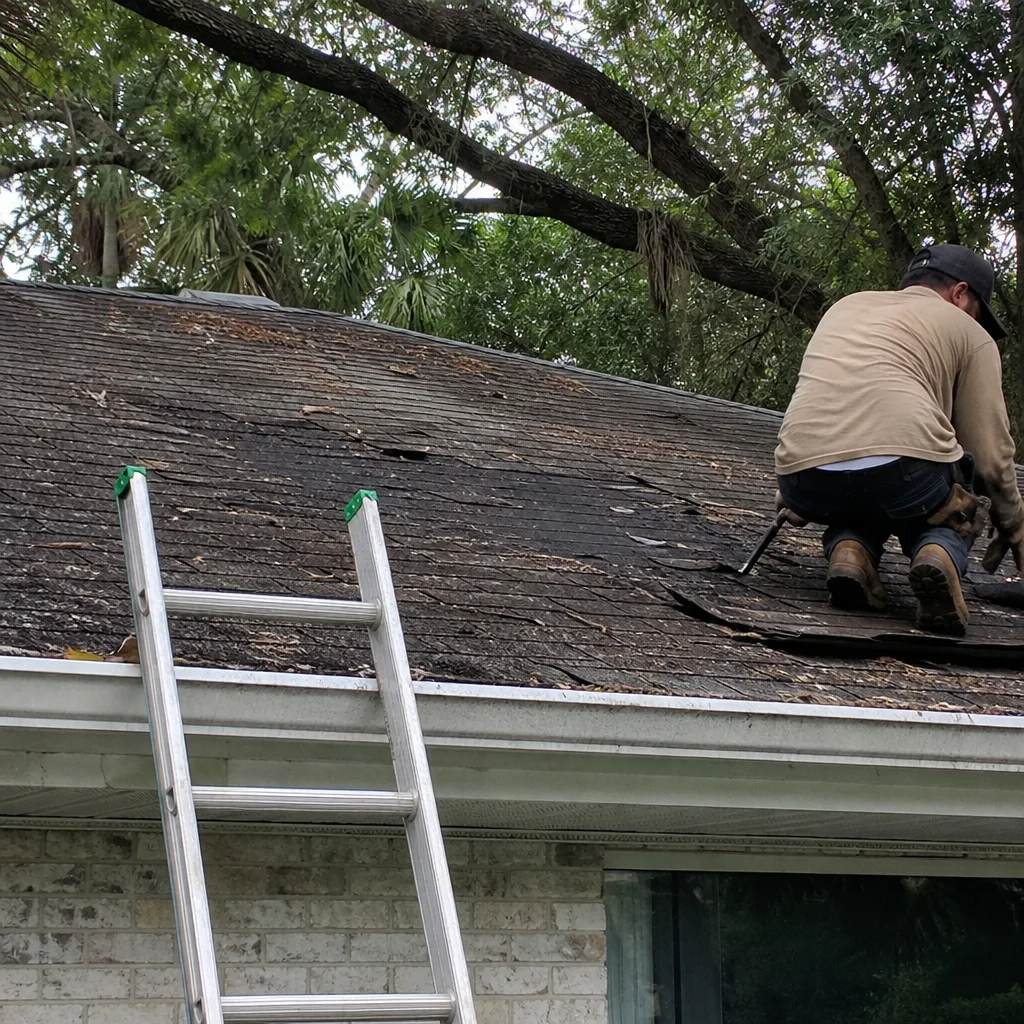 Before
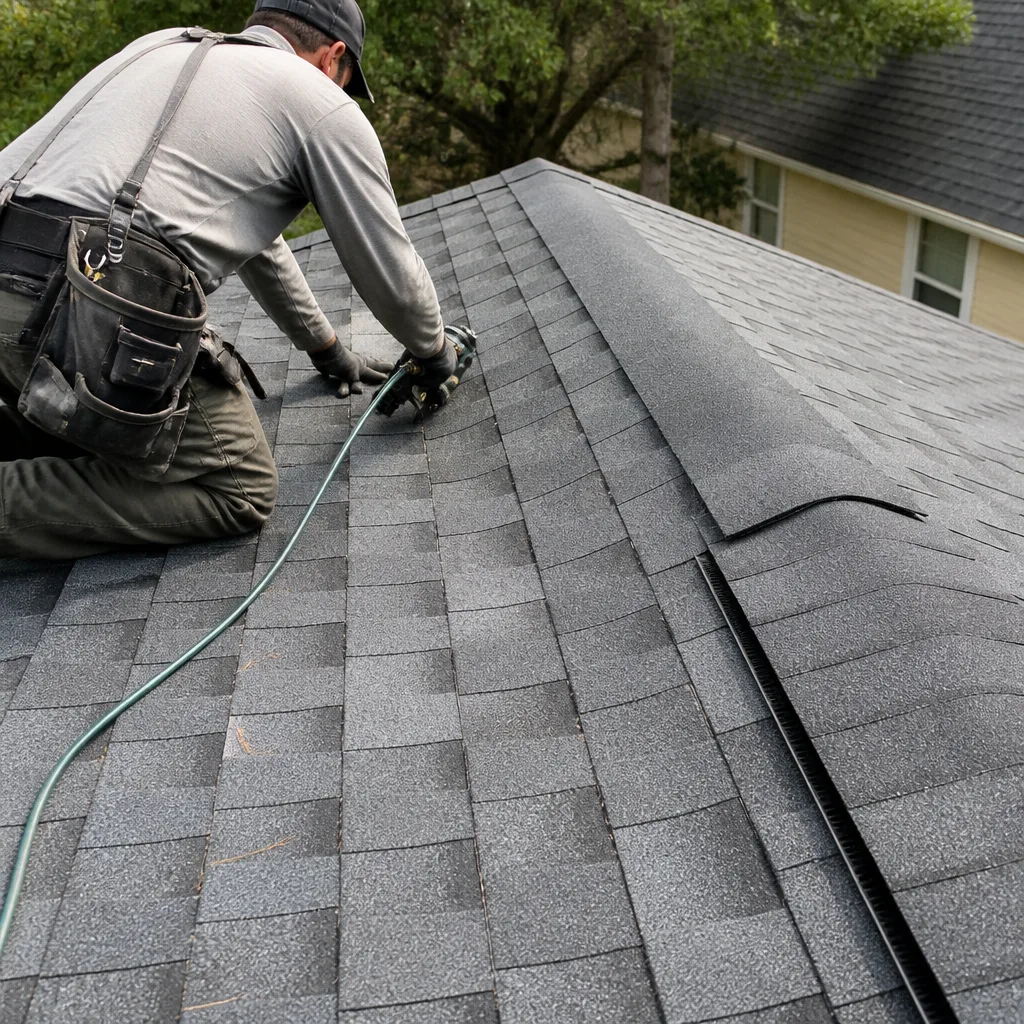
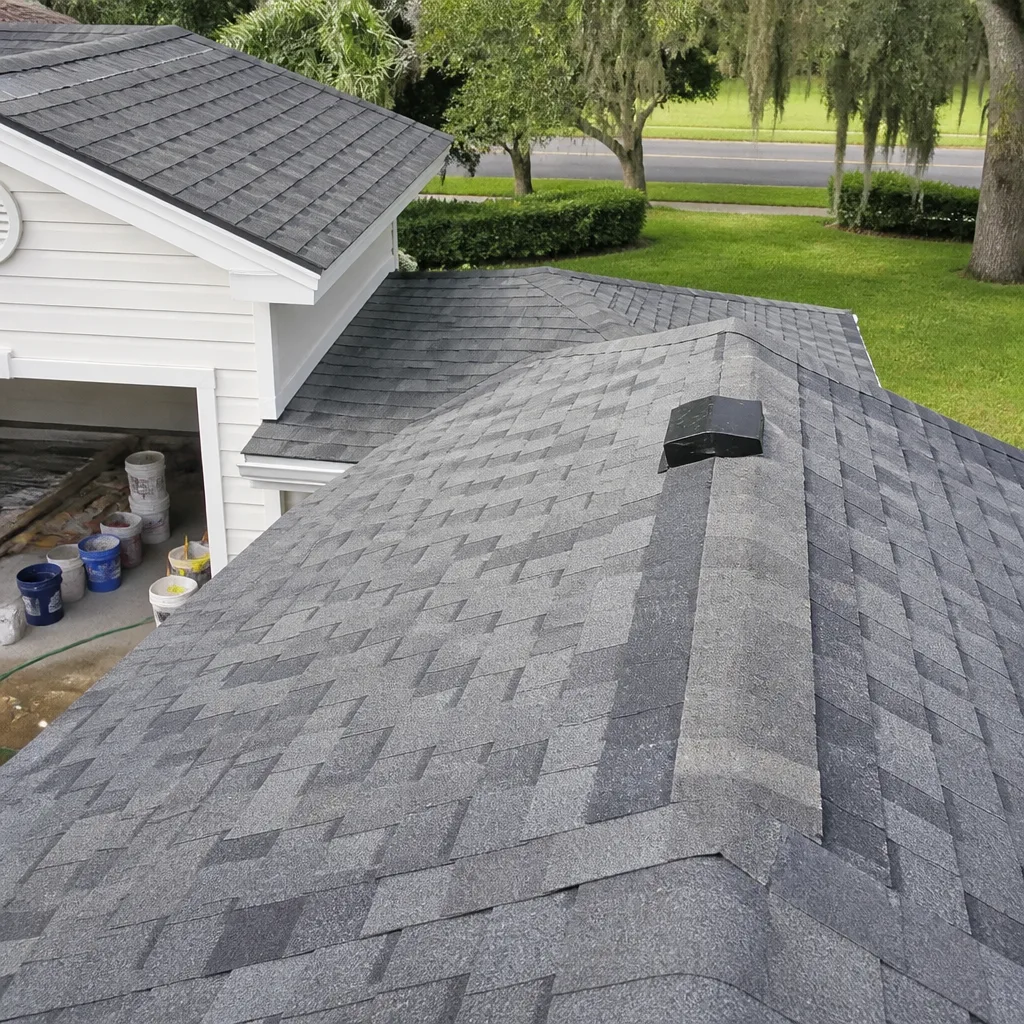
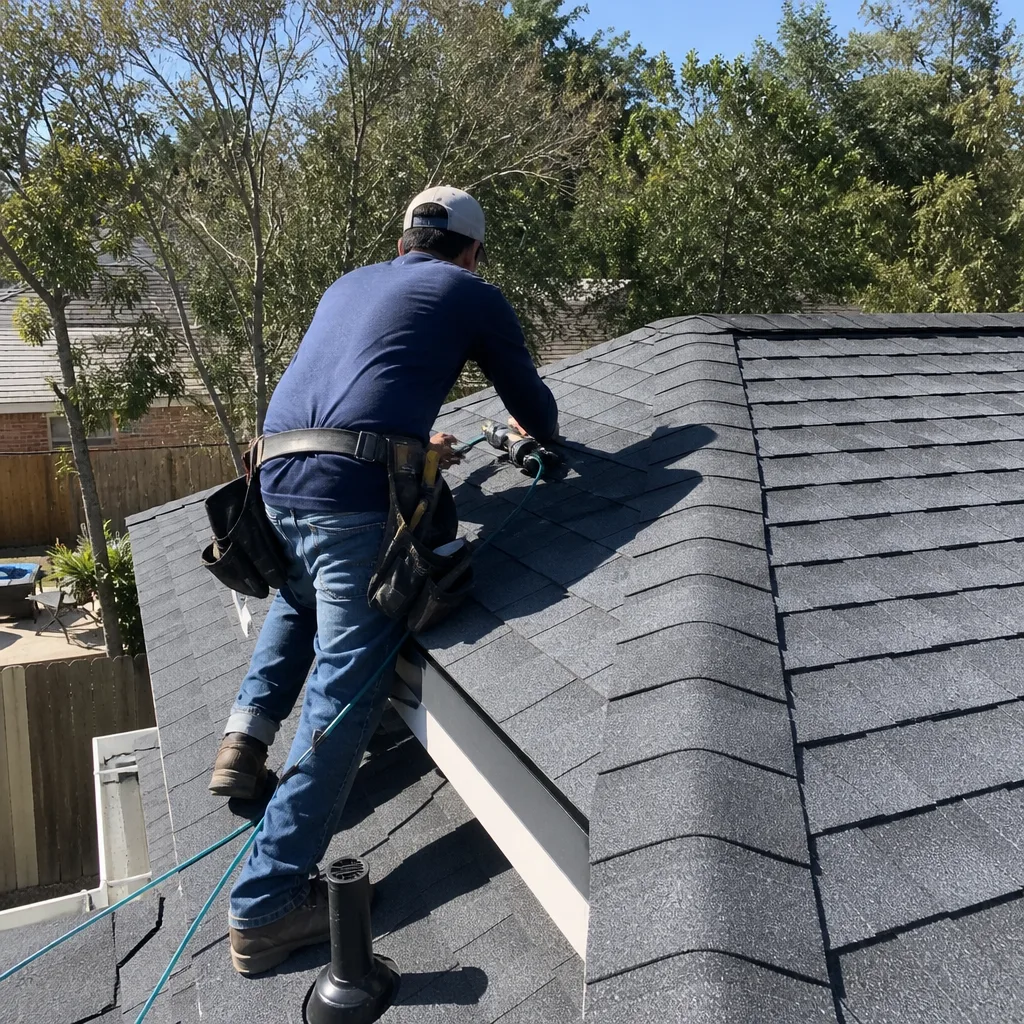 After
After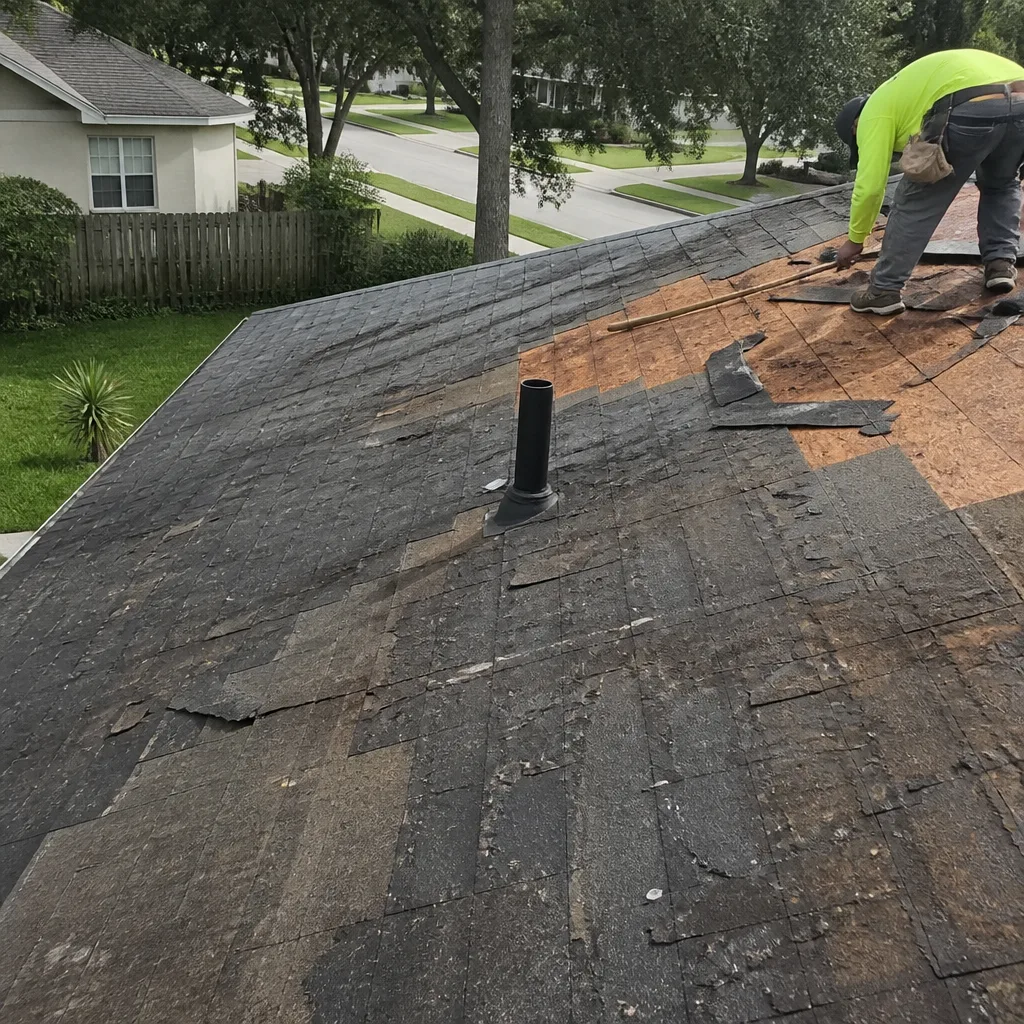 Before
 After
After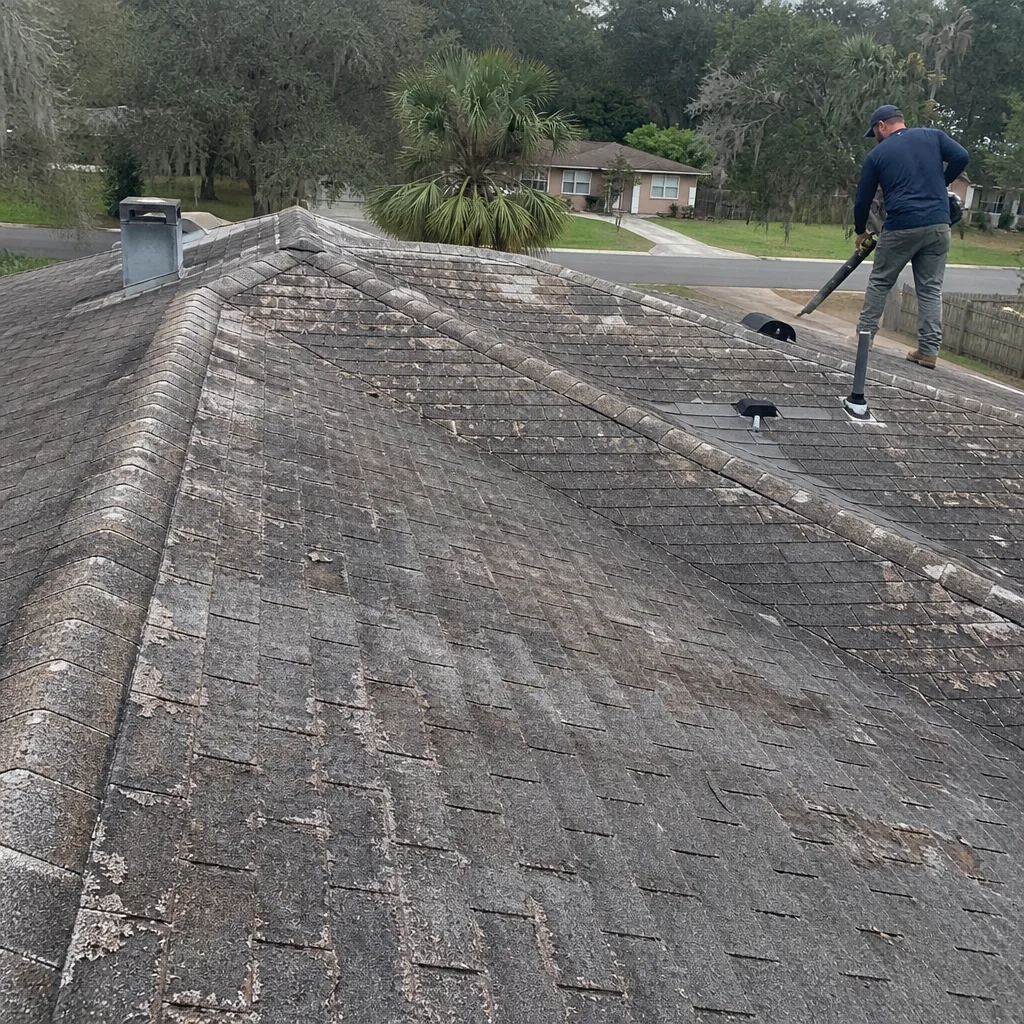 Before
 After
After